Would disown my son if he had Pakistan links: Assam CM
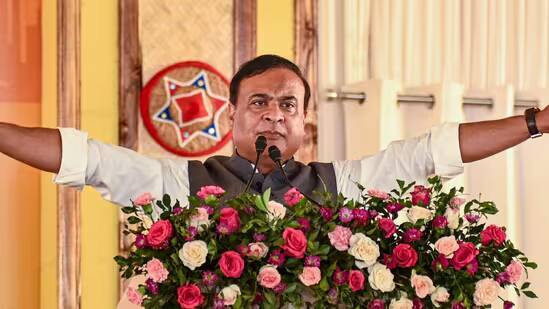
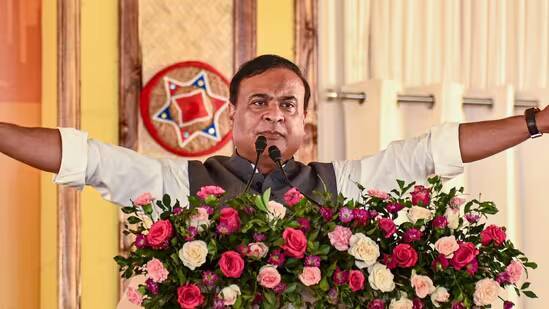
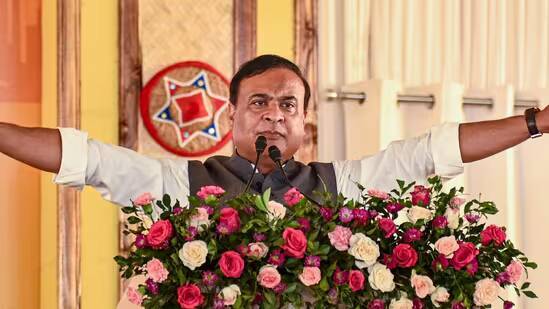
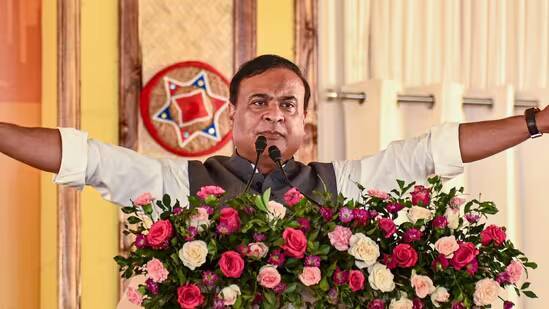
In a recent statement, Assam Chief Minister Himanta Biswa Sarma sparked controversy by saying that he would disown his son if he had any ties with Pakistan. This statement has sent shockwaves across the nation, with many questioning the reasoning behind such a drastic claim. The statement was made in an apparent reference to Congress MP Gaurav Gogoi’s wife, Elizabeth, who allegedly has links with Pakistan.
The Assam CM’s statement has raised several questions about the implications of having ties with Pakistan and the consequences that follow. According to Sarma, if one becomes a Pakistani, it is impossible to have a relationship with them. He asked whether a Congress leader, whose wife has links with Pakistan, would have the courage to disown her. This statement has been perceived as a challenge to the Congress party and its leaders, who have been criticized for their alleged soft stance on Pakistan.
The statement has also sparked a debate about the concept of nationalism and what it means to be a patriot. Sarma’s claim that he would disown his son if he had ties with Pakistan has been seen as an extreme example of nationalism. While some have praised the CM for his bold statement, others have criticized him for being overly dramatic and insensitive.
It is essential to understand the context behind Sarma’s statement. The relationship between India and Pakistan has been strained for decades, with both countries having a long history of conflict and tension. The recent tensions between the two nations have led to a rise in nationalist sentiment, with many Indians expressing strong anti-Pakistan feelings.
In this context, Sarma’s statement can be seen as a reflection of the prevailing nationalist sentiment in the country. However, it is also important to consider the potential consequences of such a statement. Disowning a family member for their ties with Pakistan may be seen as an extreme measure, and it raises questions about the limits of nationalism and patriotism.
Moreover, Sarma’s statement has also been criticized for being hypocritical. Some have pointed out that the CM has been silent on the issue of corruption and cronyism within his own party, while being vocal about the alleged ties of Congress leaders with Pakistan. This has led to accusations that the CM is using nationalism as a tool to distract from the real issues facing the state.
The statement has also raised questions about the role of politicians in shaping public opinion. As leaders, politicians have a significant influence on public discourse, and their statements can shape the way people think and feel about certain issues. In this case, Sarma’s statement has contributed to the growing anti-Pakistan sentiment in the country, which can have serious consequences for individuals with ties to Pakistan.
Furthermore, the statement has also highlighted the need for a more nuanced understanding of nationalism and patriotism. While it is essential to be proud of one’s country and culture, it is also important to recognize the complexities of international relationships and the need for diplomacy and dialogue. In the case of India and Pakistan, a more nuanced approach is necessary to address the underlying issues and work towards a peaceful resolution.
In conclusion, Assam CM Himanta Biswa Sarma’s statement that he would disown his son if he had ties with Pakistan has sparked a controversy that highlights the complexities of nationalism and patriotism. While the statement reflects the prevailing nationalist sentiment in the country, it also raises questions about the limits of nationalism and the potential consequences of such a statement. As the debate continues, it is essential to consider the nuances of international relationships and the need for a more nuanced understanding of nationalism and patriotism.
About the Author