Would disown my son if he had Pakistan links: Assam CM
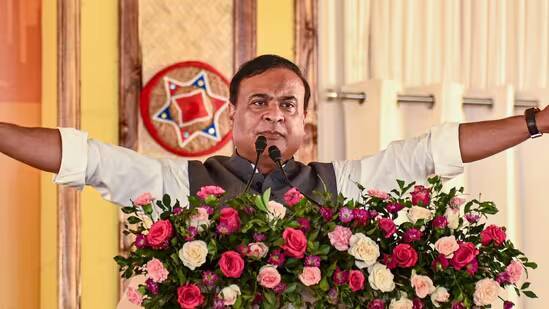
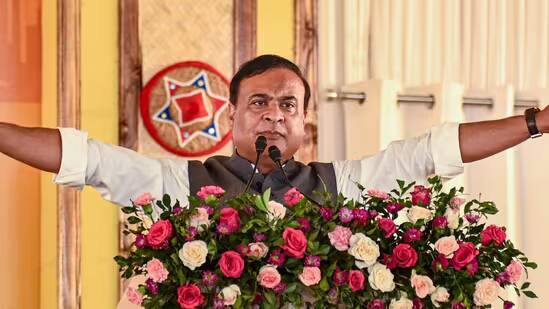
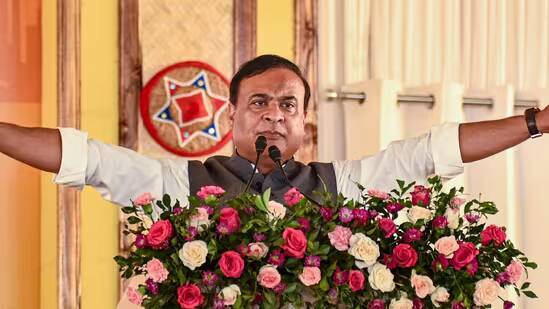
In a bold and provocative statement, Assam Chief Minister Himanta Biswa Sarma has declared that he would disown his son if he had any ties with Pakistan. This statement has sparked a heated debate and has sent shockwaves throughout the nation. The statement was made in an apparent reference to Congress MP Gaurav Gogoi’s wife, Elizabeth, who has been reported to have links with Pakistan.
The Assam CM’s statement has raised several questions about loyalty, patriotism, and the complexities of international relationships. Sarma’s assertion that he would disown his own son if he had ties with Pakistan is a stark reminder of the deep-seated tensions between India and Pakistan. The two nations have a long and tumultuous history, with numerous conflicts and disputes that have led to a breakdown in diplomatic relations.
Sarma’s statement also highlights the challenges faced by individuals who have family members or friends with ties to Pakistan. In a country where nationalism and patriotism are highly valued, having links with a perceived enemy nation can be a source of shame and guilt. The Assam CM’s declaration that he would disown his son if he had ties with Pakistan is a reflection of this sentiment.
The Congress party has been quick to respond to Sarma’s statement, with many leaders condemning his remarks as insensitive and divisive. They have argued that having ties with Pakistan does not necessarily make someone a traitor or an enemy of the state. They have also pointed out that many Indians have family members or friends who live in Pakistan, and that these relationships should not be viewed with suspicion or hostility.
However, Sarma’s statement has also found support from some quarters, with many people praising his commitment to nationalism and his willingness to take a tough stance on issues related to national security. They have argued that having ties with Pakistan can be a threat to national security, and that individuals who have such links should be subject to scrutiny and investigation.
The controversy surrounding Sarma’s statement has also raised questions about the role of politicians in shaping public discourse and opinion. As leaders, politicians have a significant influence on how people think and feel about certain issues. Their statements and actions can shape public opinion and create a narrative that can be either divisive or unifying.
In this context, Sarma’s statement can be seen as a reflection of the current mood in the country, where nationalism and patriotism are highly valued. However, it also highlights the need for politicians to be more nuanced and thoughtful in their statements, and to avoid making sweeping declarations that can be hurtful or divisive.
Sarma’s statement has also sparked a debate about the concept of loyalty and patriotism. What does it mean to be loyal to one’s country? Is it enough to simply declare one’s love for the nation, or are there more concrete actions that individuals can take to demonstrate their commitment to the country? These are complex questions that require careful consideration and reflection.
Ultimately, the controversy surrounding Sarma’s statement is a reminder of the complexities and challenges of living in a diverse and globalized world. As individuals, we have multiple identities and loyalties, and navigating these complexities can be difficult and nuanced. However, it is through open and respectful dialogue that we can build bridges of understanding and foster a more inclusive and compassionate society.
In conclusion, Assam CM Himanta Biswa Sarma’s statement that he would disown his son if he had ties with Pakistan has sparked a heated debate and has raised important questions about loyalty, patriotism, and national security. While his statement has found support from some quarters, it has also been criticized for being insensitive and divisive. As we navigate the complexities of international relationships and nationalism, it is essential that we approach these issues with nuance, thoughtfulness, and a commitment to building a more inclusive and compassionate society.
About the Author