Would disown my son if he had Pakistan links: Assam CM
In a striking statement, Assam Chief Minister Himanta Biswa Sarma has declared that he would disown his own son if he were to have any ties with Pakistan. This bold assertion was made in an apparent reference to Congress MP Gaurav Gogoi’s wife, Elizabeth, who allegedly has links with Pakistan. The Chief Minister’s remarks have sent shockwaves across the nation, sparking a heated debate on the issue of loyalty and national allegiance.
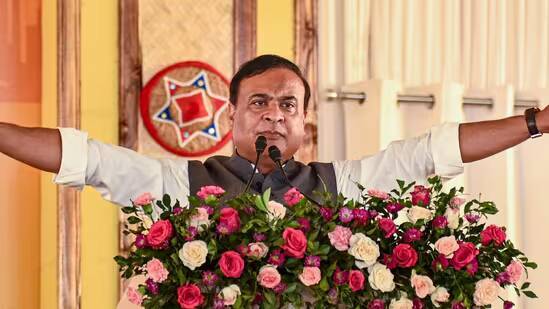
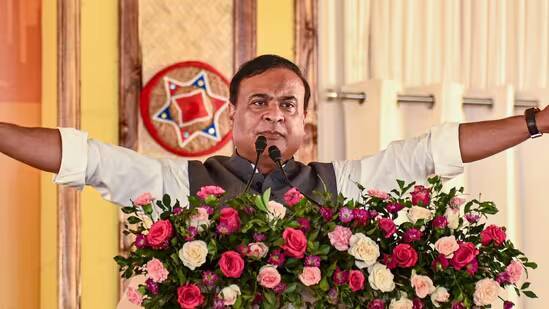
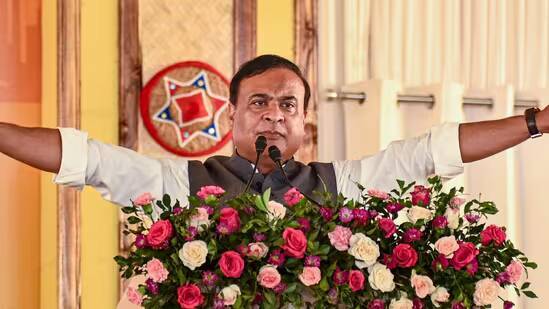
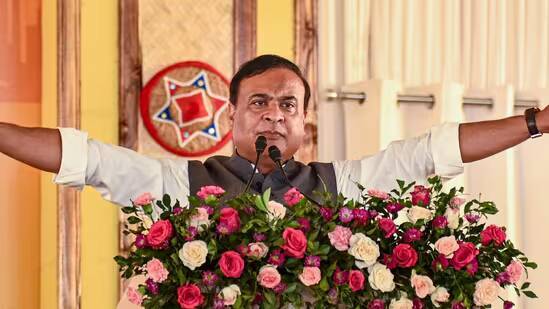
During a public address, Sarma posed a question to the Congress leader, asking whether he would have the courage to disown his wife if she had connections with Pakistan. The Assam CM’s statement was laced with a sense of nationalism and patriotism, as he emphasized the importance of putting one’s country above all else. He stated, “If one becomes Pakistani…how can I have relation with them?” This statement highlights the gravity of the situation and the Chief Minister’s unwavering commitment to his nation.
The context of Sarma’s statement is crucial in understanding the implications of his words. The reference to Gaurav Gogoi’s wife, Elizabeth, is significant, as it is alleged that she has ties with Pakistan. This has raised questions about the Congress leader’s stance on the matter and whether he would prioritize his national loyalty over his personal relationships. The Assam CM’s statement can be seen as a challenge to Gogoi, asking him to take a stand on the issue and demonstrate his commitment to the nation.
Sarma’s declaration has sparked a fierce debate on social media, with many praising his bold stance on the issue. Some have hailed him as a true patriot, who is willing to put his country above his personal relationships. Others, however, have criticized his statement, labeling it as an attempt to politicize a sensitive issue. The opposition has also jumped into the fray, accusing the Assam CM of trying to divert attention from the real issues plaguing the state.
The issue of national loyalty and allegiance is a complex one, and Sarma’s statement has brought it to the forefront of the national discourse. It raises important questions about the boundaries of personal relationships and the limits of national loyalty. Can a person with ties to another country, particularly one that is often at odds with India, be truly loyal to the nation? Is it possible to maintain a relationship with someone who has connections with a foreign power, without compromising one’s own national allegiance?
The Assam CM’s statement also highlights the sensitive nature of India-Pakistan relations. The two nations have a long and tumultuous history, with numerous conflicts and disputes over the years. The issue of national loyalty and allegiance is particularly pertinent in this context, as it raises questions about the potential for foreign influence and the threat of espionage.
In conclusion, Assam Chief Minister Himanta Biswa Sarma’s statement has sparked a heated debate on the issue of national loyalty and allegiance. His declaration that he would disown his son if he had ties with Pakistan is a bold one, and it highlights the importance of putting one’s country above all else. While the statement has been praised by some, it has also been criticized by others, who see it as an attempt to politicize a sensitive issue. Ultimately, the issue of national loyalty and allegiance is a complex one, and it requires careful consideration and nuanced discussion.
As the nation grapples with this issue, it is essential to consider the implications of Sarma’s statement and the potential consequences of having ties with a foreign power. The Assam CM’s declaration serves as a reminder of the importance of national loyalty and the need to prioritize one’s country above all else.
About the Author