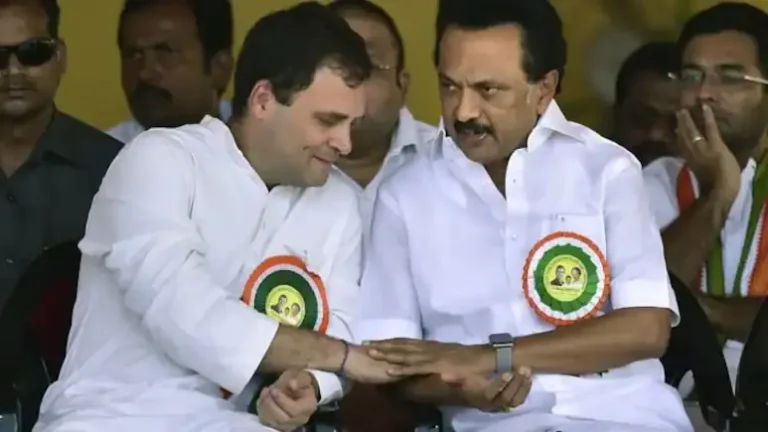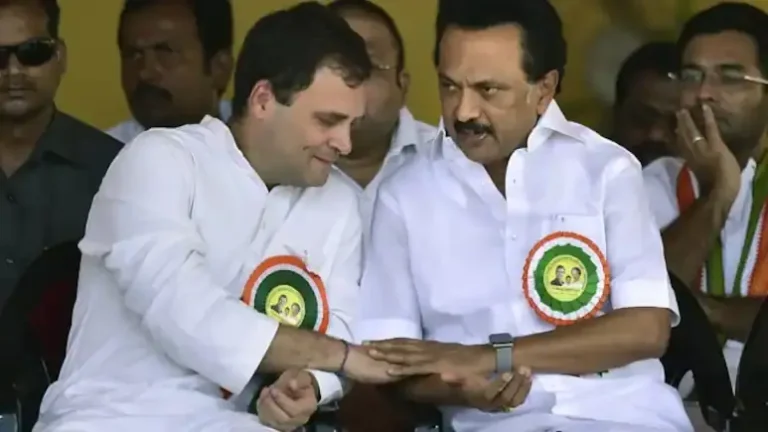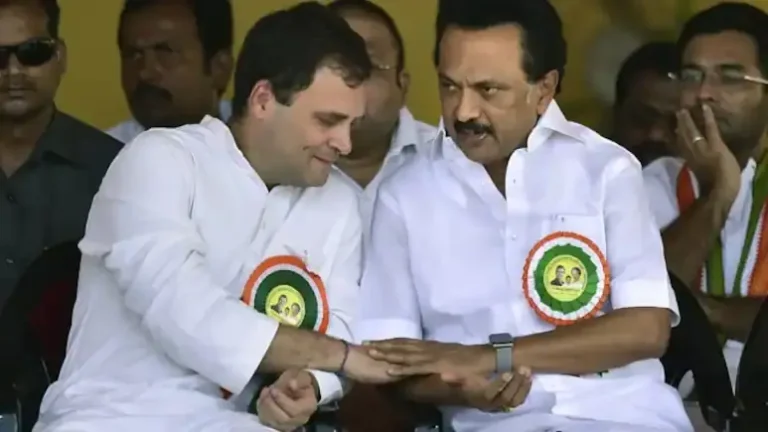
When did allies start dictating us: Congress MP over ‘TN debt’ post row
In a recent turn of events, a controversy has erupted within the Indian National Developmental Inclusive Alliance (I.N.D.I.A) bloc, a coalition of opposition parties in India, over a social media post by Congress leader Praveen Chakravarty. The post in question compared the debt levels of Tamil Nadu and Uttar Pradesh, two states governed by different parties, sparking a heated debate among the alliance partners. The row has led to a demand by some parties within the bloc to take action against Chakravarty, prompting a strong reaction from Congress MP Manickam Tagore.
At the heart of the controversy is a statement made by Chakravarty, where he highlighted the debt levels of Tamil Nadu, stating that it has the highest outstanding debt among all states. This comparison was made with Uttar Pradesh, a state governed by the Bharatiya Janata Party (BJP), which is the primary opposition to the Congress party and its allies. The comparison aimed to illustrate the financial management and policies of the two states, governed by different political ideologies.
However, this comparison did not sit well with some of the alliance partners within the I.N.D.I.A bloc, who felt that Chakravarty’s statement could be perceived as criticizing the governance of Tamil Nadu, a state that is crucial for the alliance’s political strategy. The demand for action against Chakravarty stems from the belief that his statement could potentially harm the alliance’s prospects in the state and damage the relationship between the Congress party and its allies.
Reacting to these demands, Congress MP Manickam Tagore expressed his dismay and questioned the role of alliance partners in dictating how the Congress party should handle its internal matters. Tagore’s response underscores a significant issue within coalition politics – the balance between unity and autonomy. When parties come together in an alliance, they do so with the understanding of mutual respect and trust. However, the recent demand to take action against a Congress leader for expressing his views on a matter of public interest raises questions about the limits of this unity.
The statement by Tagore, “When did alliance partners start dictating to Congress how it should handle its internal matters?” reflects a deeper concern within the party about the erosion of autonomy in coalition politics. The Congress party, being one of the largest and oldest parties in the alliance, naturally has its own mechanisms for addressing internal issues and disagreements. The intervention by alliance partners in what is essentially an internal matter of the Congress party could set a precedent that undermines the party’s ability to manage its own affairs.
Moreover, the controversy highlights the challenges of coalition politics in India, where parties with diverse ideologies and interests come together to form alliances. The I.N.D.I.A bloc, comprising parties like the Congress, the Trinamool Congress, and others, was formed with the aim of providing a united opposition to the BJP. However, the recent row over Chakravarty’s statement reveals the complexities and potential pitfalls of such alliances.
In a democratic setup, the freedom to express opinions and critique policies is fundamental. Chakravarty’s comparison of debt levels between Tamil Nadu and Uttar Pradesh, while potentially controversial, falls within the realm of legitimate political discourse. The demand to take action against him for expressing his views not only raises concerns about censorship but also about the health of democracy within the alliance.
As the controversy unfolds, it remains to be seen how the Congress party and its allies within the I.N.D.I.A bloc will navigate this issue. The ability of the alliance to manage internal disagreements while maintaining a united front against the BJP will be crucial in the coming days. The statement by Manickam Tagore serves as a reminder of the delicate balance that coalition partners must strike between unity and autonomy, ensuring that while they work together towards common goals, they also respect each other’s internal processes and decisions.
In conclusion, the row over Praveen Chakravarty’s social media post has brought to the forefront important questions about the dynamics of coalition politics in India. As parties navigate the complexities of alliances, they must also ensure that the principles of democracy, including the freedom of expression, are upheld. The way this controversy is resolved will have implications not just for the I.N.D.I.A bloc but for the broader landscape of Indian politics.
News Source: https://www.ndtv.com/india-news/when-did-allies-congress-leader-snaps-over-tamil-nadu-debt-post-row-10139488/amp/1
About the Author