When did allies start dictating us: Congress MP over ‘TN debt’ post row
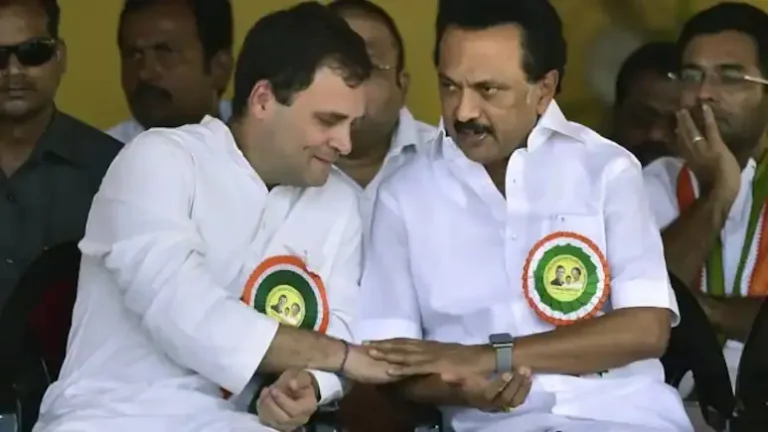
The Indian National Developmental Inclusive Alliance (I.N.D.I.A) bloc, a coalition of opposition parties, has found itself embroiled in a heated controversy after one of its key members, the Congress party, came under fire for a social media post regarding the debt levels of Tamil Nadu and BJP-ruled Uttar Pradesh. The post, made by Congress leader Praveen Chakravarty, sparked a row with other parties in the alliance demanding action against him. However, the Congress party has hit back, questioning the right of its alliance partners to dictate how it handles its internal matters.
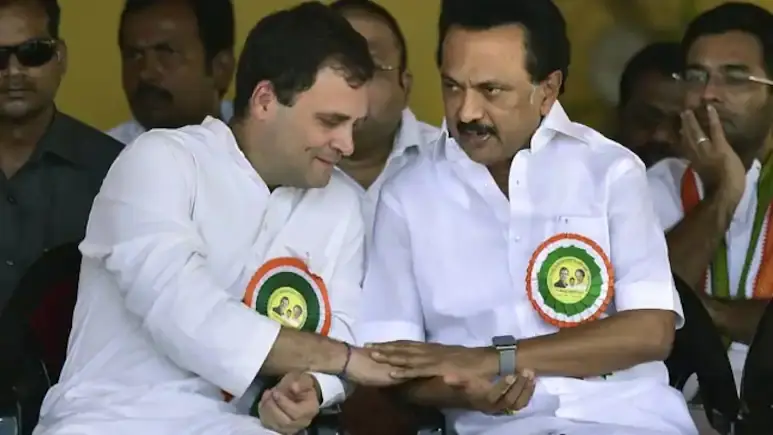
The controversy began when Chakravarty, a Congress leader, compared the debt levels of Tamil Nadu and Uttar Pradesh, stating that Tamil Nadu has the highest outstanding debt among all states. This assertion was met with strong objections from other parties in the I.N.D.I.A bloc, who felt that the post was an attempt to undermine the Tamil Nadu government, which is currently led by the Dravida Munnetra Kazhagam (DMK), a key partner in the alliance.
Reacting to the demand for action against Chakravarty, Congress MP Manickam Tagore said, “When did alliance partners start dictating to Congress how it should handle its internal matters?” This statement reflects the growing unease within the Congress party about the role of its alliance partners in its internal affairs. The party seems to be pushing back against what it perceives as an attempt to dictate its actions and undermine its autonomy.
The row over the Tamil Nadu debt post has brought to the forefront the complexities and challenges of coalition politics in India. The I.N.D.I.A bloc, which was formed to provide a united opposition to the ruling Bharatiya Janata Party (BJP), comprises a diverse range of parties, each with its own interests and agendas. While the alliance has been able to present a united front on many issues, the current controversy highlights the tensions and contradictions that can arise when different parties with different priorities and ideologies come together.
The Congress party, which is one of the largest and most prominent members of the I.N.D.I.A bloc, has been facing challenges in its relationships with other alliance partners. The party has been trying to balance its own interests and priorities with the need to maintain unity and cohesion within the alliance. However, the current controversy suggests that this balancing act is not always easy, and that there may be limits to how far the party is willing to go in accommodating the demands and expectations of its alliance partners.
The demand for action against Chakravarty has also raised questions about the role of social media in Indian politics. The use of social media platforms by politicians and political parties has become increasingly common in recent years, and has been seen as an important tool for reaching out to voters and communicating with the public. However, the current controversy highlights the risks and challenges associated with the use of social media, particularly when it comes to sensitive and contentious issues like debt levels and economic policy.
In this context, the Congress party’s response to the demand for action against Chakravarty is significant. By pushing back against what it sees as an attempt to dictate its actions, the party is asserting its autonomy and independence, and making it clear that it will not be swayed by external pressures or demands. This approach may help to maintain unity and cohesion within the party, but it also risks creating tensions and divisions within the I.N.D.I.A bloc, and potentially undermining the alliance’s ability to present a united front against the ruling BJP.
As the controversy over the Tamil Nadu debt post continues to unfold, it remains to be seen how the Congress party and its alliance partners will navigate the complex web of relationships and interests that underlie coalition politics in India. The party’s ability to balance its own priorities and agendas with the need to maintain unity and cohesion within the alliance will be crucial in determining the outcome of this controversy, and the future of the I.N.D.I.A bloc as a whole.
In conclusion, the row over the Tamil Nadu debt post has highlighted the complexities and challenges of coalition politics in India, and the need for parties to balance their own interests and priorities with the need to maintain unity and cohesion within the alliance. The Congress party’s response to the demand for action against Chakravarty reflects its determination to assert its autonomy and independence, and to resist what it sees as attempts to dictate its actions. As the controversy continues to unfold, it will be important to watch how the party and its alliance partners navigate the complex web of relationships and interests that underlie coalition politics in India.
News Source: https://www.ndtv.com/india-news/when-did-allies-congress-leader-snaps-over-tamil-nadu-debt-post-row-10139488/amp/1
About the Author