What is fault of poor player? J&K CM on Mustafizur controversy
The Indian Premier League (IPL) has been at the center of controversy lately, with the recent incident involving Bangladesh cricketer Mustafizur Rahman sparking a heated debate. The Board of Control for Cricket in India (BCCI) directed the Kolkata Knight Riders (KKR) to release Mustafizur, citing concerns over the player’s involvement with the franchise. However, this decision has not gone down well with everyone, particularly Jammu and Kashmir Chief Minister Omar Abdullah, who has questioned the removal of the Bangladeshi player.
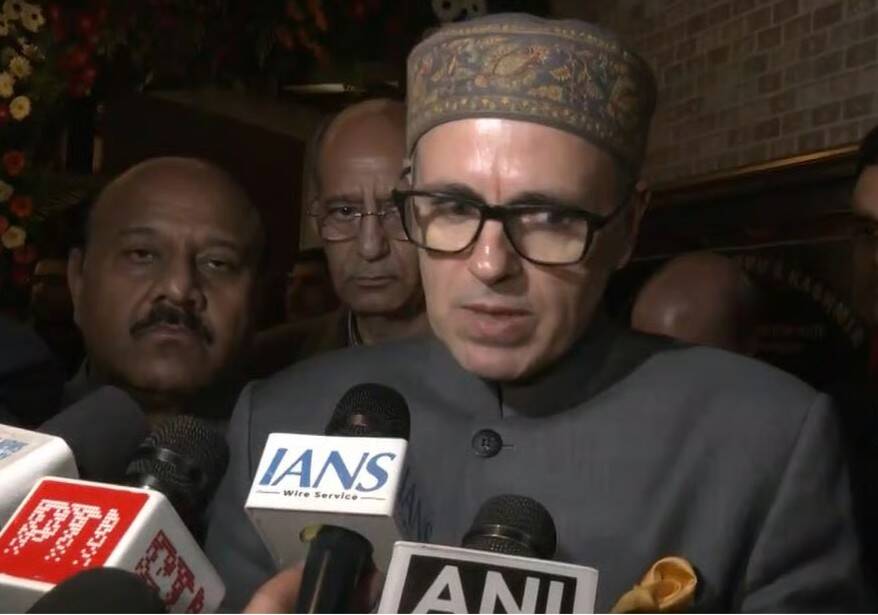
Abdullah took to social media to express his disappointment and frustration over the decision, asking a pertinent question – “What is the fault of that poor player?” He argued that dropping a Bangladeshi player from an IPL franchise would not help improve the condition of minorities in the neighboring country. This statement highlights the larger issue at play here, which goes beyond the realm of cricket and into the domain of politics and human rights.
The controversy surrounding Mustafizur’s removal from KKR is rooted in the current geopolitical tensions between India and Bangladesh. The two countries have been engaged in a diplomatic spat over various issues, including the treatment of minorities in Bangladesh. While the BCCI’s decision to direct KKR to release Mustafizur may have been intended as a statement of solidarity with the Indian government’s stance on the issue, it has been perceived by many as an unfair and unjust move.
By targeting a individual player, the BCCI has raised questions about the fairness and impartiality of the IPL. The league is supposed to be a platform where cricketers from different countries and backgrounds come together to compete and showcase their skills. By allowing political considerations to influence decisions, the BCCI is undermining the very spirit of the game.
Moreover, the decision to release Mustafizur is also likely to have negative consequences for the player himself. As a professional cricketer, Mustafizur’s livelihood depends on his ability to play and perform at the highest level. By being forced to leave KKR, he is not only losing out on a valuable opportunity to play in the IPL but also potentially harming his career prospects.
Abdullah’s statement highlights the human aspect of this controversy, which often gets lost in the midst of political posturing and grandstanding. By asking “What is the fault of that poor player?”, he is reminding us that Mustafizur is not just a cricketer but a human being who is being affected by decisions that are beyond his control.
It is also worth noting that the IPL is a platform that has always prided itself on being a symbol of Indian hospitality and generosity. By welcoming players from different countries and backgrounds, the league has shown that cricket can be a powerful tool for building bridges and fostering goodwill. By targeting a Bangladeshi player, the BCCI is undermining this legacy and sending a negative message to the world.
In conclusion, the controversy surrounding Mustafizur’s removal from KKR is a complex issue that raises important questions about the intersection of sports and politics. While the BCCI may have intended to make a statement by directing KKR to release the Bangladeshi player, it has ultimately ended up harming the player and undermining the spirit of the game. As Omar Abdullah has rightly pointed out, dropping a Bangladeshi player from an IPL franchise will not help improve the condition of minorities in Bangladesh. Instead, it will only serve to further polarize the situation and create more divisions.
As the IPL continues to grow and evolve, it is essential that the BCCI and the franchises involved remember the true spirit of the game. Cricket is a sport that has the power to unite people across cultures and borders, and it is our responsibility to ensure that it is played in a fair and respectful manner. By targeting individual players and allowing political considerations to influence decisions, we are undermining the very fabric of the game and creating a toxic environment that is detrimental to everyone involved.
About the Author