What is fault of poor player? J&K CM on Mustafizur controversy
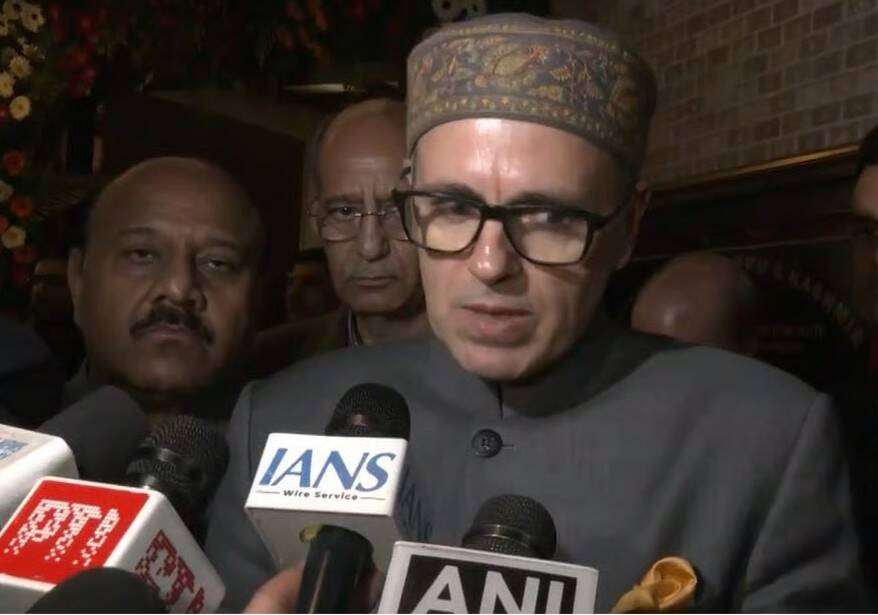
The Indian Premier League (IPL) has been at the center of controversy in recent days, with the removal of Bangladesh cricketer Mustafizur Rahman from the Kolkata Knight Riders (KKR) team. The decision, directed by the Board of Control for Cricket in India (BCCI), has sparked a heated debate, with many questioning the reasoning behind the move. Joining the chorus of critics is Jammu and Kashmir Chief Minister Omar Abdullah, who has slammed the decision, asking “what is the fault of that poor player?”
The controversy surrounding Mustafizur’s removal began when the BCCI directed KKR to release the Bangladesh cricketer, citing concerns over the treatment of minorities in Bangladesh. The move was seen as a response to the recent attacks on Hindu temples and homes of Hindus in Bangladesh, which had sparked widespread outrage in India. However, many have questioned the logic behind targeting a cricketer, who has no connection to the incidents.
Omar Abdullah, in a statement, expressed his disappointment and frustration over the decision, saying that dropping a Bangladeshi player from an IPL franchise would not help improve the condition of minorities in the neighboring country. He argued that the move would only serve to harm the career of an innocent player, who has done nothing wrong. “What is the fault of that poor player?” he asked, highlighting the unfairness of the decision.
The J&K CM’s comments have resonated with many, who feel that the decision to remove Mustafizur is unjust and unfair. The cricketer, who has been a key player for KKR, has done nothing to warrant such treatment. In fact, he has been an ambassador for Bangladesh cricket, helping to promote the sport in his country and beyond. By targeting him, the BCCI is only serving to harm the interests of cricket and the cricketer himself.
Moreover, the decision sets a dangerous precedent, where players are held accountable for the actions of their governments or citizens. This is a slippery slope, where players from different countries could be targeted for reasons that have nothing to do with their performance on the field. The IPL, which has always been a symbol of cricketing excellence and sportsmanship, should not be used as a tool for political posturing or grandstanding.
The controversy surrounding Mustafizur’s removal also highlights the complexities of cricketing politics in the subcontinent. The sport, which is often seen as a unifying force, can also be used to further political agendas and interests. The BCCI, which is one of the most powerful cricket boards in the world, has a responsibility to ensure that the sport is played in a fair and transparent manner, without being influenced by external factors.
In conclusion, the removal of Mustafizur Rahman from the KKR team is a decision that has sparked widespread controversy and debate. While the concerns over the treatment of minorities in Bangladesh are legitimate, targeting a cricketer is not the solution. As Omar Abdullah has rightly pointed out, the decision only serves to harm the career of an innocent player, who has done nothing wrong. The BCCI and the IPL must ensure that the sport is played in a fair and transparent manner, without being influenced by external factors. The fate of Mustafizur and other cricketers like him depends on it.
About the Author