What is fault of poor player? J&K CM on Mustafizur controversy
The recent controversy surrounding the removal of Bangladesh cricketer Mustafizur Rahman from the Indian Premier League (IPL) has sparked a heated debate. The Board of Control for Cricket in India (BCCI) directed the Kolkata Knight Riders (KKR) to release Mustafizur, citing reasons that have not been made public. However, the decision has been met with criticism from various quarters, including Jammu and Kashmir Chief Minister Omar Abdullah.
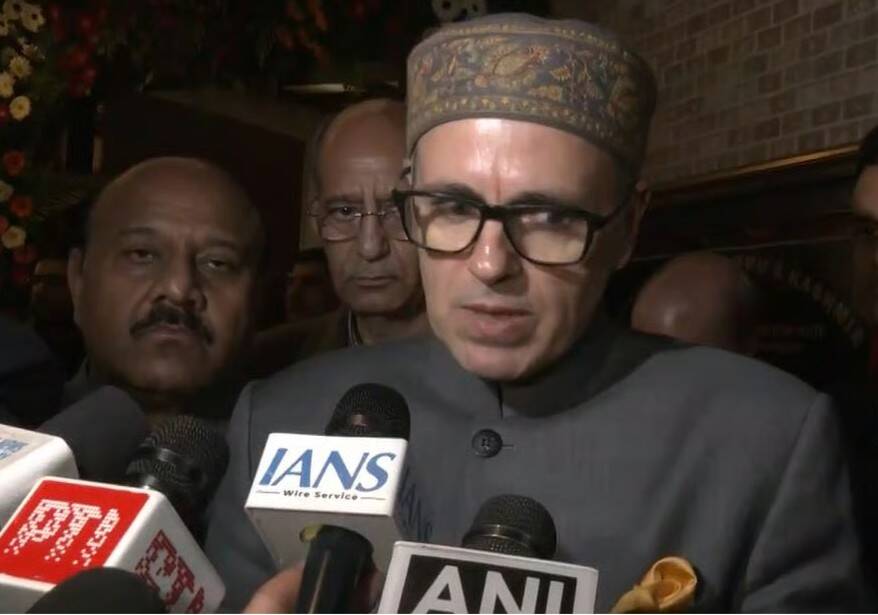
Reacting to the news, Omar Abdullah took to social media to express his disappointment and questioned the removal of the Bangladeshi player. “What is the fault of that poor player?” he asked, highlighting the unfair treatment meted out to Mustafizur. The J&K CM also pointed out that dropping a Bangladeshi player from an IPL franchise would not help improve the condition of minorities in the neighbouring country.
The controversy surrounding Mustafizur’s removal has raised several questions about the BCCI’s decision-making process and the criteria used to select players for the IPL. The BCCI has not provided any clear reasons for Mustafizur’s removal, leaving many to speculate about the possible motives behind the decision. Some have suggested that the move may be linked to the current geopolitical tensions between India and Bangladesh, while others have pointed to the possible role of internal politics within the BCCI.
Omar Abdullah’s comments have added a new dimension to the controversy, highlighting the human aspect of the issue. By asking what the fault of the poor player is, the J&K CM has shifted the focus from the political and administrative aspects of the controversy to the personal and emotional impact on the player. Mustafizur, who has been a key player for the Bangladesh national team, has been suddenly and unexpectedly dropped from the IPL, leaving him and his fans disappointed and confused.
The removal of Mustafizur from the IPL has also raised concerns about the impact on the Bangladeshi player’s career. The IPL is one of the most prestigious and lucrative T20 leagues in the world, and playing in the tournament can be a career-defining opportunity for many cricketers. By being dropped from the IPL, Mustafizur may miss out on a chance to showcase his skills, gain exposure, and earn a significant amount of money.
Furthermore, the controversy surrounding Mustafizur’s removal has also highlighted the complex and often sensitive nature of India-Bangladesh relations. The two countries have a long and complex history, with periods of cooperation and conflict. The current tensions between the two nations have been exacerbated by issues such as border disputes, trade agreements, and human rights concerns. In this context, the removal of a Bangladeshi player from the IPL can be seen as a symbolic gesture that reflects the broader geopolitical tensions between the two countries.
However, as Omar Abdullah pointed out, dropping a Bangladeshi player from an IPL franchise is unlikely to improve the condition of minorities in Bangladesh. The issue of minority rights in Bangladesh is a complex and sensitive one, with deep historical and cultural roots. It requires a nuanced and multifaceted approach that involves dialogue, cooperation, and mutual understanding between the two countries.
In conclusion, the controversy surrounding Mustafizur’s removal from the IPL has raised several important questions about the BCCI’s decision-making process, the impact on the player’s career, and the broader geopolitical context of India-Bangladesh relations. Omar Abdullah’s comments have highlighted the human aspect of the issue, emphasizing the need to consider the personal and emotional impact on the player. As the controversy continues to unfold, it is essential to approach the issue with sensitivity, nuance, and a deep understanding of the complex factors involved.
About the Author