What is fault of poor player? J&K CM on Mustafizur controversy
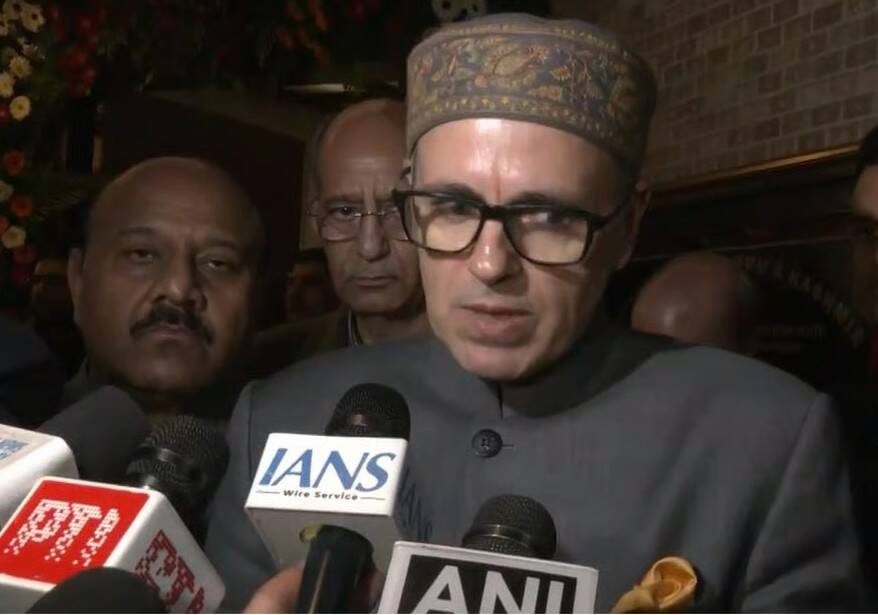
The Indian Premier League (IPL) has been at the center of controversy in recent days, with the latest incident involving Bangladesh cricketer Mustafizur Rahman. The left-arm pacer, who was set to play for the Kolkata Knight Riders (KKR) in the upcoming season, was directed to be released by the Board of Control for Cricket in India (BCCI). This decision has sparked a heated debate, with many questioning the reasoning behind the move. Joining the chorus of critics is Jammu and Kashmir Chief Minister Omar Abdullah, who has slammed the decision to remove Mustafizur from the IPL.
Abdullah took to social media to express his disappointment and frustration with the decision, asking, “What is the fault of that poor player?” He argued that the removal of a Bangladeshi player from an IPL franchise would not help improve the condition of minorities in the neighboring country. The J&K CM’s comments have ignited a larger discussion about the role of sports in politics and the impact of such decisions on international relations.
The controversy surrounding Mustafizur’s removal from the IPL is rooted in the current geopolitical tensions between India and Bangladesh. The BCCI’s decision to direct KKR to release the Bangladeshi pacer has been seen as a response to the growing unrest in Bangladesh, where minorities have been facing persecution and violence. However, Abdullah’s comments suggest that this move may not be an effective way to address the issue.
By questioning the fault of the “poor player,” Abdullah is highlighting the human aspect of the controversy. Mustafizur, like many other cricketers, is an individual who has dedicated his life to the sport, and his removal from the IPL is likely to have a significant impact on his career and livelihood. Abdullah’s comments imply that the BCCI’s decision is unfair and unjust, as it punishes an individual who has no control over the political situation in his country.
Abdullah’s argument is also rooted in the idea that sports should be separate from politics. The IPL, as a platform, brings together cricketers from different countries and backgrounds, promoting a sense of unity and camaraderie. By removing a player based on his nationality, the BCCI is, in effect, politicizing the sport. This move may have unintended consequences, such as creating tension and hostility between players and fans from different countries.
Furthermore, Abdullah’s comments suggest that the BCCI’s decision may not be an effective way to address the issue of minority persecution in Bangladesh. The removal of a single player from the IPL is unlikely to have a significant impact on the ground, and may even be seen as a symbolic gesture. Instead, Abdullah implies that more concrete and meaningful actions are needed to address the issue, such as diplomatic efforts and international pressure.
The controversy surrounding Mustafizur’s removal from the IPL has sparked a wider debate about the role of sports in politics. While sports can be a powerful tool for promoting unity and understanding, they can also be used as a means of exerting political pressure. The BCCI’s decision to direct KKR to release Mustafizur has been seen as a example of the latter, with many questioning the motivations behind the move.
In conclusion, the controversy surrounding Mustafizur’s removal from the IPL has highlighted the complex and often fraught relationship between sports and politics. J&K CM Omar Abdullah’s comments have added a new dimension to the debate, highlighting the human aspect of the issue and questioning the fairness and effectiveness of the BCCI’s decision. As the debate continues to unfold, it remains to be seen how the situation will play out, and what implications it may have for the future of the IPL and international cricket.
News Source: https://www.freepressjournal.in/amp/india/what-is-players-fault-jk-cm-omar-abdullah-slams-mustafizurs-ipl-removal
About the Author