What is fault of poor player? J&K CM on Mustafizur controversy
The Indian Premier League (IPL) has been at the center of controversy in recent days, with the removal of Bangladesh cricketer Mustafizur Rahman from the Kolkata Knight Riders (KKR) team. The decision was made after the Board of Control for Cricket in India (BCCI) directed KKR to release the player. However, this move has not gone down well with everyone, including Jammu and Kashmir Chief Minister Omar Abdullah.
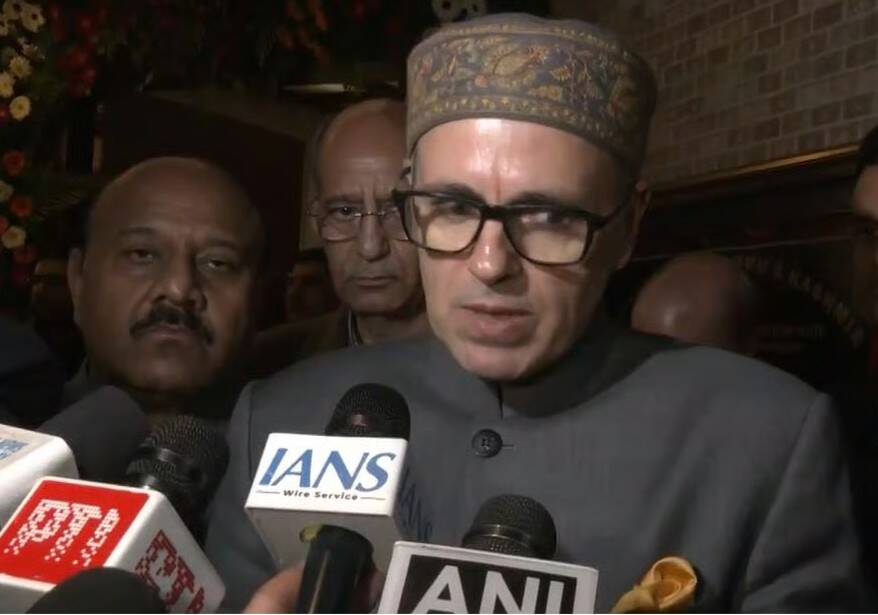
Abdullah took to social media to express his disappointment and frustration with the decision, questioning the removal of Mustafizur from the KKR team. “What is the fault of that poor player?” he asked, highlighting the unfairness of the situation. The Chief Minister’s comments have sparked a debate about the treatment of foreign players in the IPL, and the potential consequences of such decisions.
The controversy surrounding Mustafizur’s removal began when the BCCI directed KKR to release the player, citing unspecified reasons. The move was seen as a surprise, given Mustafizur’s impressive performance in the IPL and his popularity among fans. The decision was also criticized by many, who felt that it was unfair to punish the player for circumstances beyond his control.
Abdullah’s comments on the issue have added fuel to the fire, with many praising the Chief Minister for speaking out against the decision. “Dropping a Bangladeshi player from an IPL franchise would not help improve the condition of minorities in the neighbouring country,” he added, highlighting the potential consequences of such actions. The Chief Minister’s statement suggests that the decision to remove Mustafizur may have been motivated by factors other than the player’s performance on the field.
The IPL has a long history of controversy, with many instances of players being removed or banned from the tournament for various reasons. However, the removal of Mustafizur has sparked a wider debate about the treatment of foreign players in the IPL, and the potential consequences of such decisions. Many have argued that the decision to remove Mustafizur is unfair and unjust, and that it sets a bad precedent for the treatment of foreign players in the tournament.
The controversy surrounding Mustafizur’s removal has also raised questions about the role of the BCCI in the IPL. The BCCI has been criticized for its handling of the situation, with many feeling that the board has overstepped its authority. The decision to direct KKR to release Mustafizur has been seen as an example of the BCCI’s heavy-handed approach to the tournament, and has sparked calls for greater transparency and accountability.
In recent years, the IPL has become one of the most popular and lucrative sporting tournaments in the world. The tournament has attracted many of the world’s top cricketers, and has provided a platform for young and upcoming players to showcase their skills. However, the controversy surrounding Mustafizur’s removal has highlighted the need for greater fairness and transparency in the tournament.
The removal of Mustafizur from the KKR team has also sparked a wider debate about the relationship between India and Bangladesh. The two countries have a long and complex history, and the decision to remove a Bangladeshi player from the IPL has been seen as a setback for relations between the two nations. Many have argued that the decision is unfair and unjust, and that it will damage the reputation of the IPL and the BCCI.
In conclusion, the controversy surrounding Mustafizur’s removal from the KKR team has sparked a wider debate about the treatment of foreign players in the IPL, and the potential consequences of such decisions. The comments of Jammu and Kashmir Chief Minister Omar Abdullah have added fuel to the fire, highlighting the unfairness of the situation and the potential consequences of such actions. As the IPL continues to grow and evolve, it is essential that the tournament is governed by principles of fairness, transparency, and accountability.
The decision to remove Mustafizur from the KKR team has been widely criticized, and has sparked a wider debate about the role of the BCCI in the IPL. The controversy has also highlighted the need for greater fairness and transparency in the tournament, and has sparked calls for the BCCI to review its handling of the situation. As the IPL continues to attract many of the world’s top cricketers, it is essential that the tournament is governed by principles of fairness, transparency, and accountability.
The removal of Mustafizur from the KKR team has also sparked a wider debate about the relationship between India and Bangladesh. The two countries have a long and complex history, and the decision to remove a Bangladeshi player from the IPL has been seen as a setback for relations between the two nations. Many have argued that the decision is unfair and unjust, and that it will damage the reputation of the IPL and the BCCI.
As the controversy surrounding Mustafizur’s removal continues to unfold, it is essential that the BCCI and the IPL governing council review their handling of the situation. The decision to remove Mustafizur from the KKR team has been widely criticized, and has sparked a wider debate about the treatment of foreign players in the IPL. It is essential that the tournament is governed by principles of fairness, transparency, and accountability, and that the rights of all players are protected.
In the end, the controversy surrounding Mustafizur’s removal from the KKR team has highlighted the need for greater fairness and transparency in the IPL. The decision to remove the player has been widely criticized, and has sparked a wider debate about the treatment of foreign players in the tournament. As the IPL continues to grow and evolve, it is essential that the tournament is governed by principles of fairness, transparency, and accountability.
News Source: https://www.freepressjournal.in/amp/india/what-is-players-fault-jk-cm-omar-abdullah-slams-mustafizurs-ipl-removal
About the Author