What agreement did Govt of India sign with Govt of Nagaland?
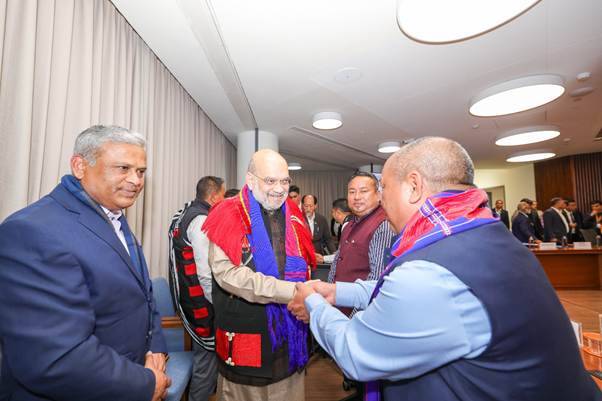
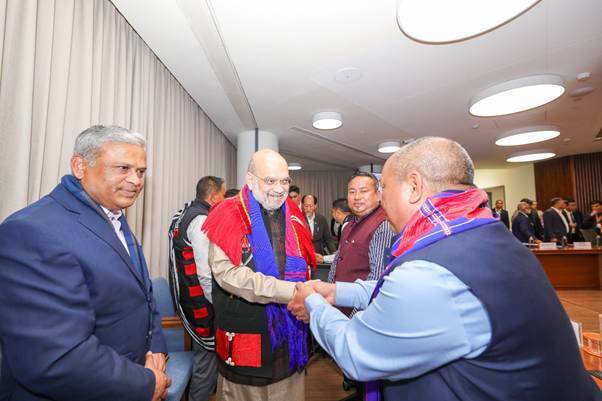
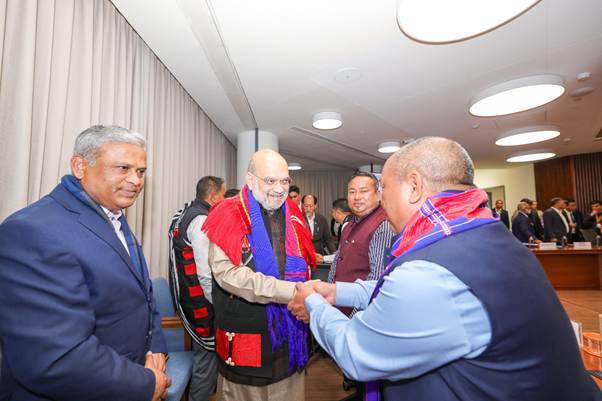
The Government of India has taken a significant step towards promoting development and welfare in the eastern regions of Nagaland. In a recent development, an agreement was signed among the Government of India, the Government of Nagaland, and the Eastern Nagaland Peoples’ Organisation (ENPO). This agreement marks a new chapter in the relationship between the central government and the state of Nagaland, with a focus on empowering the local communities and boosting development in the region.
At the heart of this agreement is the establishment of the Frontier Nagaland Territorial Authority (FNTA), which will cover six districts in Eastern Nagaland. The FNTA will have significant autonomy, with the Centre transferring powers over 46 subjects to the new authority. This move is expected to give the local communities more control over their affairs and enable them to make decisions that are in the best interests of their regions.
The FNTA will be responsible for a wide range of subjects, including education, healthcare, infrastructure development, and natural resource management. The Centre will provide annual funding to support the FNTA’s activities and ensure that it has the necessary resources to deliver on its mandate. Additionally, a mini-secretariat will be set up to provide administrative support to the FNTA, enabling it to function effectively and efficiently.
The agreement is a significant milestone in the history of Nagaland, and it reflects the Centre’s commitment to promoting development and welfare in the region. The eastern parts of Nagaland have historically been among the most underdeveloped regions in the state, with limited access to basic amenities and services. The establishment of the FNTA is expected to address these disparities and ensure that the local communities have access to the same opportunities and resources as the rest of the state.
The Eastern Nagaland Peoples’ Organisation (ENPO) has played a crucial role in the negotiations leading up to the agreement. The ENPO is a representative body of the various tribes in Eastern Nagaland, and it has been advocating for greater autonomy and self-governance in the region. The organisation has worked closely with the Centre and the state government to ensure that the agreement meets the needs and aspirations of the local communities.
The agreement has been welcomed by the people of Nagaland, who see it as a major breakthrough in the state’s development journey. The Chief Minister of Nagaland has hailed the agreement as a “historic moment” for the state, and has pledged to work closely with the Centre to ensure its successful implementation. The ENPO has also expressed its satisfaction with the agreement, saying that it marks a significant step forward in the struggle for self-governance and development in Eastern Nagaland.
The establishment of the FNTA is expected to have a positive impact on the economy of Nagaland, particularly in the eastern regions. The authority will have the power to promote local industries and businesses, and to develop infrastructure such as roads, bridges, and telecommunications networks. This is expected to create new job opportunities and stimulate economic growth in the region, which will have a positive impact on the overall development of the state.
In conclusion, the agreement signed between the Government of India, the Government of Nagaland, and the Eastern Nagaland Peoples’ Organisation (ENPO) is a significant development that is expected to boost development and welfare in Eastern Nagaland. The establishment of the Frontier Nagaland Territorial Authority (FNTA) marks a new chapter in the relationship between the Centre and the state, and reflects the Centre’s commitment to promoting development and self-governance in the region. With the FNTA set to play a key role in promoting development and welfare in Eastern Nagaland, the future looks bright for the people of the region.
The Centre’s decision to provide annual funding and a mini-secretariat to the FNTA is a significant gesture of support, and reflects its commitment to ensuring the success of the new authority. The people of Nagaland are optimistic about the future, and are looking forward to seeing the positive impact of the agreement on their lives and livelihoods.
As the FNTA begins its work, it is expected to face several challenges, including the need to develop infrastructure, promote local industries, and address the social and economic disparities in the region. However, with the support of the Centre and the state government, the authority is well-placed to overcome these challenges and deliver on its mandate.
In the coming months and years, the FNTA is expected to play a key role in promoting development and welfare in Eastern Nagaland. The authority will work closely with the local communities, the state government, and the Centre to ensure that the region receives the support and resources it needs to thrive. With the agreement in place, the people of Nagaland are looking forward to a brighter future, and are confident that the FNTA will play a key role in delivering on their aspirations.
News Source: https://www.pib.gov.in/PressReleasePage.aspx
About the Author