What agreement did Govt of India sign with Govt of Nagaland?
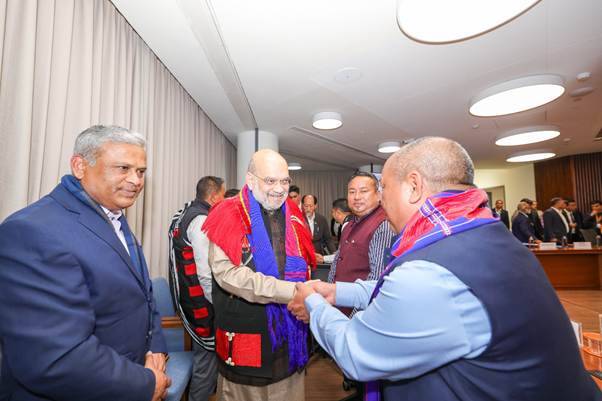
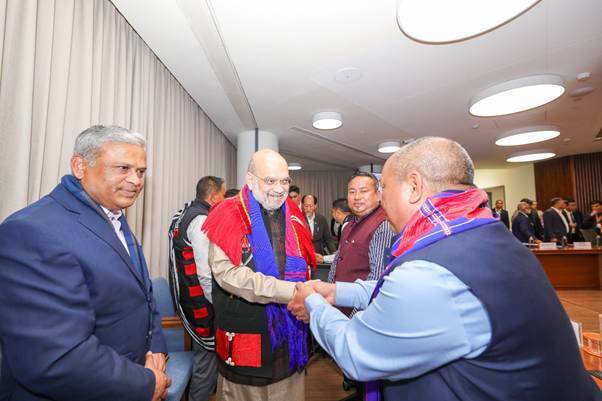
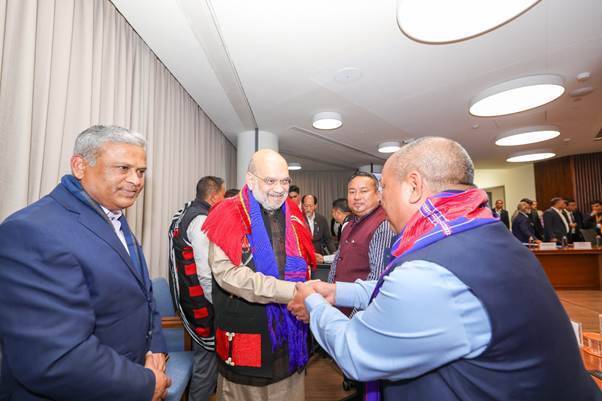
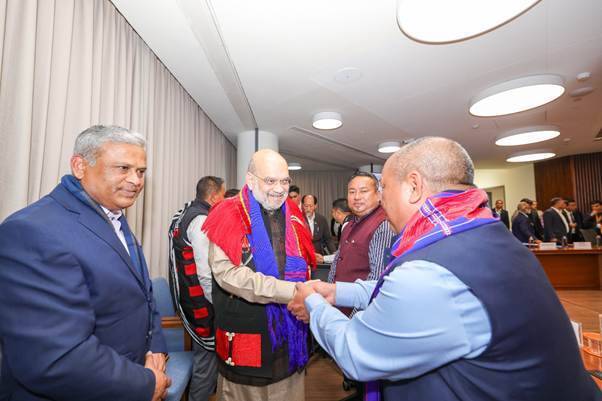
In a significant development, the Government of India has signed a landmark agreement with the Government of Nagaland, marking a new chapter in the state’s history. The agreement, which also involves the Eastern Nagaland Peoples’ Organisation (ENPO), aims to bring about socio-economic development and empowerment to the tribes in Eastern Nagaland. The signing of this agreement is a major breakthrough, and it is expected to have far-reaching consequences for the region.
At the heart of this agreement is the establishment of the Frontier Nagaland Territorial Authority (FNTA), which will cover six districts in Eastern Nagaland. The FNTA will be entrusted with powers over 46 subjects, giving it a significant degree of autonomy to manage its own affairs. This move is expected to accelerate development in the region, which has long been plagued by underdevelopment and neglect.
The Centre has committed to providing annual funding to the FNTA, which will enable it to implement various development projects and schemes. Additionally, a mini-secretariat will be set up to support the FNTA in its administrative functions. This will not only enhance the efficiency of the FNTA but also ensure that the benefits of development reach the grassroots level.
The agreement is a testament to the Government of India’s commitment to addressing the concerns and aspirations of the people of Nagaland. For decades, the state has been grappling with issues of underdevelopment, insurgency, and social unrest. The signing of this agreement marks a significant shift in the government’s approach, as it seeks to engage with the people of Nagaland and involve them in the development process.
The Eastern Nagaland Peoples’ Organisation (ENPO) has been a key player in the negotiations leading up to the agreement. As a representative body of the tribes in Eastern Nagaland, ENPO has been advocating for the rights and interests of its people. The organisation has been instrumental in bringing the various stakeholders together and facilitating a dialogue that has ultimately led to the signing of this agreement.
The establishment of the FNTA is expected to have a positive impact on the lives of the people in Eastern Nagaland. With the transfer of powers over 46 subjects, the FNTA will be able to take decisions that are in the best interests of the local population. This will enable the authority to address the unique challenges and needs of the region, which have long been neglected.
One of the key areas of focus for the FNTA will be the development of infrastructure in the region. The lack of proper roads, bridges, and other basic amenities has been a major hindrance to development in Eastern Nagaland. With the funding and support provided by the Centre, the FNTA will be able to undertake projects that will improve the connectivity and accessibility of the region.
Another critical area of concern is the promotion of education and healthcare in Eastern Nagaland. The region has long suffered from a lack of access to quality education and healthcare services, which has had a devastating impact on the socio-economic development of the people. The FNTA will be able to address these issues by implementing schemes and projects that will improve the quality and accessibility of education and healthcare services.
The agreement also marks a significant milestone in the history of Nagaland, as it represents a major breakthrough in the state’s efforts to achieve peace and development. For decades, the state has been plagued by insurgency and social unrest, which has hindered its development and progress. The signing of this agreement is a testament to the government’s commitment to finding a peaceful and lasting solution to the state’s problems.
In conclusion, the agreement signed between the Government of India, the Government of Nagaland, and the Eastern Nagaland Peoples’ Organisation (ENPO) is a landmark development that marks a new chapter in the state’s history. The establishment of the Frontier Nagaland Territorial Authority (FNTA) and the transfer of powers over 46 subjects will enable the authority to take decisions that are in the best interests of the local population. With the funding and support provided by the Centre, the FNTA will be able to undertake projects and schemes that will accelerate development in the region and improve the lives of the people.
As the FNTA begins its work, it is essential that all stakeholders come together to support its efforts. The people of Nagaland, the government, and other organisations must work together to ensure that the benefits of development reach the grassroots level. This will require a sustained effort and commitment to the cause of development and empowerment.
The signing of this agreement is a significant step forward, but it is only the beginning. The real challenge lies ahead, as the FNTA and other stakeholders work to implement the agreement and bring about tangible development on the ground. As we look to the future, it is essential that we remain committed to the cause of development and empowerment in Nagaland, and that we work together to build a brighter future for the people of the state.
News Source: https://www.pib.gov.in/PressReleasePage.aspx
About the Author