What agreement did Govt of India sign with Govt of Nagaland?
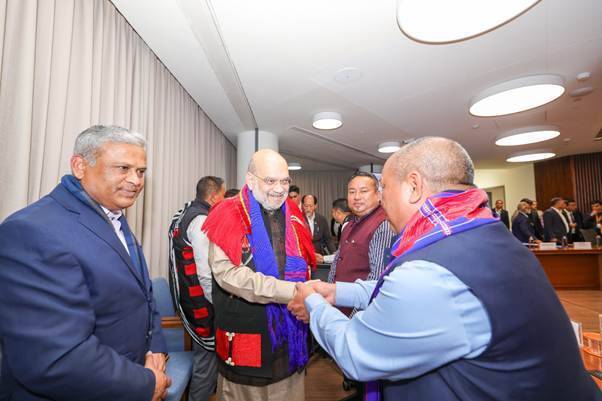
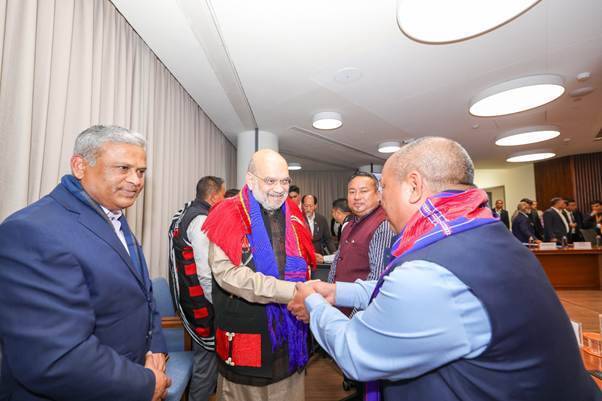
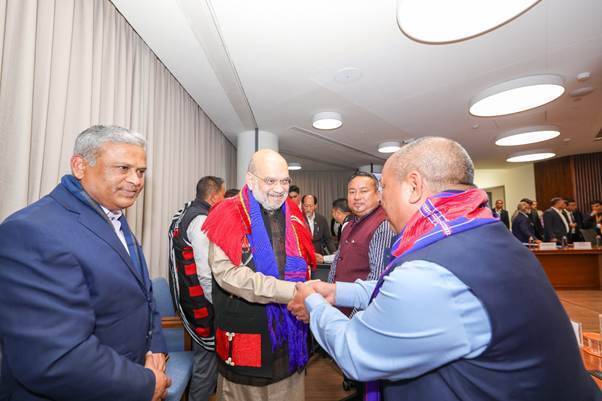
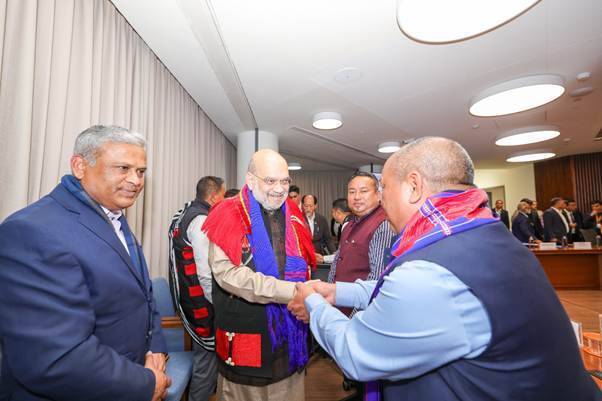
In a significant development, the Government of India has signed a landmark agreement with the Government of Nagaland, marking a new era of cooperation and development for the region. The agreement, which also involves the Eastern Nagaland Peoples’ Organisation (ENPO), aims to establish the Frontier Nagaland Territorial Authority (FNTA) covering six districts in Eastern Nagaland. This move is expected to bring about significant improvements in the lives of the people living in the region, particularly the tribes of Eastern Nagaland.
The FNTA will have jurisdiction over six districts in Eastern Nagaland, which have been facing developmental challenges for a long time. The establishment of the FNTA is a major step towards addressing the unique needs and requirements of the people living in these districts. The authority will have powers over 46 subjects, which will enable it to take decisions and implement policies that are tailored to the specific needs of the region.
One of the key features of the agreement is the transfer of powers from the state government to the FNTA. This will enable the authority to take decisions on a range of subjects, including education, healthcare, infrastructure development, and social welfare. The transfer of powers will also enable the FNTA to allocate resources and prioritize development projects based on the needs of the local population.
The Government of India has also committed to providing annual funding to the FNTA, which will enable the authority to implement its development plans and programs. The funding will be used to support a range of initiatives, including infrastructure development, social welfare programs, and economic development projects. The Centre will also provide a mini-secretariat to the FNTA, which will serve as the administrative headquarters of the authority.
The establishment of the FNTA is a major breakthrough for the tribes of Eastern Nagaland, who have been facing significant developmental challenges for a long time. The region has been plagued by poverty, lack of infrastructure, and limited access to basic services such as education and healthcare. The FNTA is expected to play a major role in addressing these challenges and improving the quality of life for the people living in the region.
The agreement is also significant because it marks a new era of cooperation between the Government of India and the Government of Nagaland. The two governments have been working together to find solutions to the developmental challenges facing the region, and the establishment of the FNTA is a major outcome of this cooperation. The agreement is also a testament to the commitment of the Government of India to the development of the North Eastern region, which has been a priority area for the government.
The Eastern Nagaland Peoples’ Organisation (ENPO) has also welcomed the agreement, saying that it is a major step towards addressing the developmental challenges facing the region. The ENPO has been working tirelessly to promote the interests of the tribes of Eastern Nagaland, and the establishment of the FNTA is a major achievement for the organization.
The agreement is expected to have a significant impact on the development of the region, and it is being seen as a major breakthrough for the tribes of Eastern Nagaland. The establishment of the FNTA is a major step towards addressing the unique needs and requirements of the people living in the region, and it is expected to bring about significant improvements in the quality of life for the people living in the region.
In conclusion, the agreement between the Government of India, the Government of Nagaland, and the Eastern Nagaland Peoples’ Organisation (ENPO) is a major development that is expected to have a significant impact on the region. The establishment of the Frontier Nagaland Territorial Authority (FNTA) is a major step towards addressing the developmental challenges facing the region, and it is expected to bring about significant improvements in the lives of the people living in the region.
News Source: https://www.pib.gov.in/PressReleasePage.aspx
About the Author