What agreement did Govt of India sign with Govt of Nagaland?
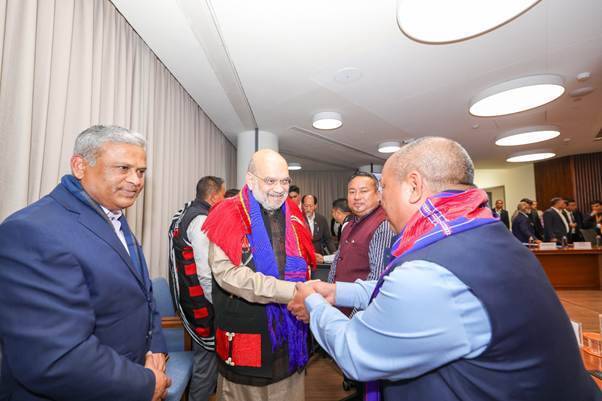
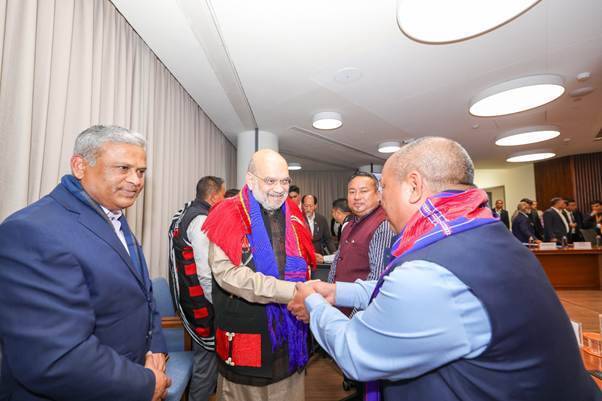
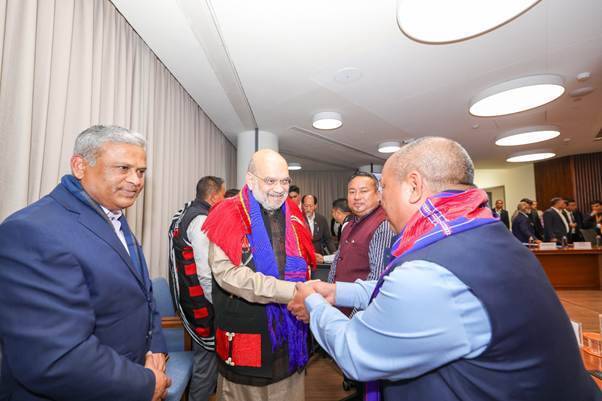
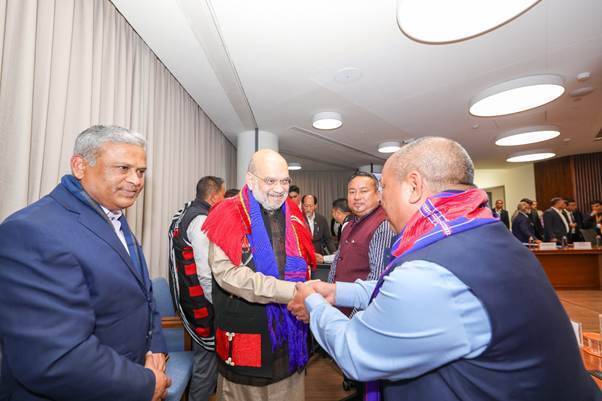
In a significant development, the Government of India has signed a landmark agreement with the Government of Nagaland, marking a major milestone in the state’s history. The agreement, which also involves the Eastern Nagaland Peoples’ Organisation (ENPO), aims to bring about unprecedented development and progress to the region. The signing of this agreement has sent waves of excitement and hope among the people of Nagaland, particularly those living in the eastern part of the state.
At the heart of this agreement is the establishment of the Frontier Nagaland Territorial Authority (FNTA), which will cover six districts in Eastern Nagaland. The FNTA will have powers over 46 subjects, which will be transferred to it, enabling the authority to take decisions and implement policies that are tailored to the specific needs of the region. This is a significant departure from the past, where decision-making powers were concentrated in the hands of the state government, often leading to a one-size-fits-all approach that neglected the unique requirements of the eastern districts.
The creation of the FNTA is a testament to the Government of India’s commitment to addressing the long-standing concerns of the people of Eastern Nagaland. For decades, the region has been plagued by underdevelopment, poverty, and lack of access to basic amenities. The FNTA is expected to change this narrative, as it will have the autonomy to design and implement programs that cater to the specific needs of the local population. With powers over 46 subjects, the FNTA will be able to make decisions on a wide range of issues, including education, healthcare, infrastructure, and economic development.
One of the key features of the agreement is the commitment of the Central Government to provide annual funding to the FNTA. This funding will be used to support the development initiatives of the authority, enabling it to undertake projects and programs that will have a direct impact on the lives of the people. The funding will also be used to establish a mini-secretariat, which will serve as the administrative headquarters of the FNTA. The mini-secretariat will be equipped with the necessary infrastructure and staff, enabling the FNTA to function efficiently and effectively.
The signing of this agreement is a major breakthrough, as it marks a new era of cooperation and collaboration between the Government of India, the Government of Nagaland, and the ENPO. The ENPO, which represents the interests of the people of Eastern Nagaland, has been a key player in the negotiations, and its involvement in the agreement is a testament to the government’s commitment to inclusive and participatory governance. The agreement is also a reflection of the government’s recognition of the unique cultural, social, and economic context of the region, and its willingness to adapt its policies and programs to meet the specific needs of the local population.
The establishment of the FNTA is expected to have a transformative impact on the region, as it will enable the local population to take charge of their own development. The authority will be able to design and implement programs that are tailored to the specific needs of the region, rather than relying on generic solutions that are imposed from outside. This will not only lead to more effective development outcomes but also promote a sense of ownership and empowerment among the local population.
The agreement is also significant because it addresses the long-standing concerns of the people of Eastern Nagaland regarding their sense of alienation and marginalization. For decades, the region has felt neglected and ignored by the state government, leading to a sense of disaffection and disillusionment. The creation of the FNTA is a major step towards addressing these concerns, as it will provide a platform for the local population to participate in the decision-making process and have a say in the development of their region.
In conclusion, the agreement signed between the Government of India, the Government of Nagaland, and the ENPO is a landmark development that is expected to have a profound impact on the region. The establishment of the FNTA, with powers over 46 subjects, will enable the local population to take charge of their own development and design programs that are tailored to their specific needs. The commitment of the Central Government to provide annual funding and establish a mini-secretariat will provide the necessary support and infrastructure for the FNTA to function effectively. As the region embarks on this new journey, there is a sense of hope and optimism that the future will be brighter and more prosperous for the people of Eastern Nagaland.
News Source: https://www.pib.gov.in/PressReleasePage.aspx
About the Author