What agreement did Govt of India sign with Govt of Nagaland?
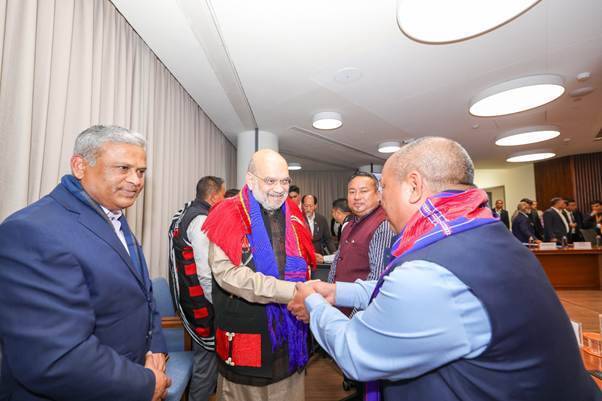
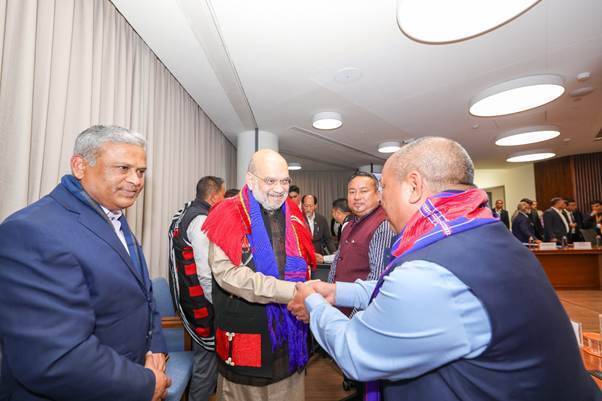
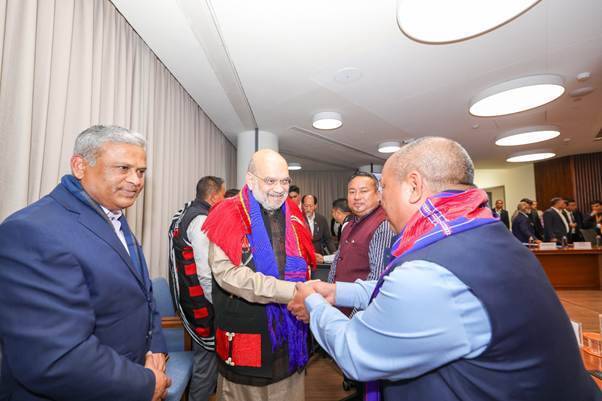
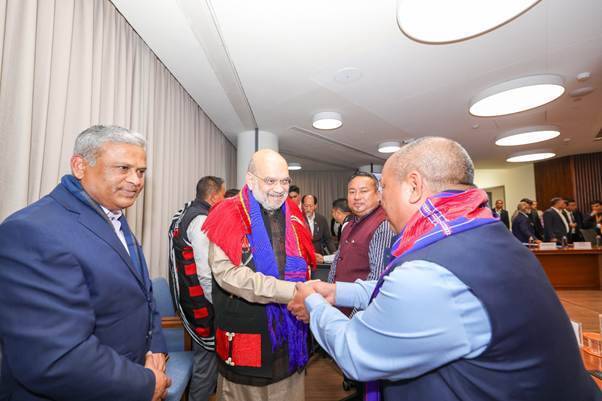
In a significant development, the Government of India has signed a landmark agreement with the Government of Nagaland and the Eastern Nagaland Peoples’ Organisation (ENPO), marking a major breakthrough in the region’s quest for development and autonomy. The agreement, which was recently inked, establishes the Frontier Nagaland Territorial Authority (FNTA), a new administrative body that will oversee the development of six districts in Eastern Nagaland. This move is expected to have far-reaching implications for the region and its people, and is seen as a major step forward in addressing the long-standing demands of the Eastern Naga tribes.
The FNTA will cover six districts in Eastern Nagaland, including Mon, Tuensang, Longleng, Kiphire, Noklak, and Shamator. The new authority will have powers over 46 subjects, which will be transferred to it from the state government. This transfer of power is expected to enable the FNTA to take charge of various aspects of governance, including education, healthcare, infrastructure development, and economic growth, among others. The Centre will provide annual funding to the FNTA, as well as a mini-secretariat, to support its functioning and operations.
The agreement is seen as a major victory for the Eastern Naga tribes, who have been demanding greater autonomy and development for their region. The ENPO, which is a apex body of the Eastern Naga tribes, has been at the forefront of this demand, and has been engaged in negotiations with the Government of India and the Government of Nagaland for several years. The signing of the agreement marks a major milestone in this process, and is expected to pave the way for rapid development and growth in the region.
The establishment of the FNTA is expected to have a significant impact on the lives of the people living in Eastern Nagaland. The region has long been one of the most underdeveloped parts of the country, with limited access to basic amenities like education, healthcare, and roads. The new authority is expected to address these gaps, and work towards creating a more equitable and just society. The transfer of powers over 46 subjects to the FNTA will enable it to take charge of various aspects of governance, and work towards creating a more responsive and accountable administration.
The agreement is also seen as a major step forward in promoting peace and stability in the region. The Eastern Naga tribes have long been demanding greater autonomy and development, and the signing of the agreement is expected to address these demands and reduce tensions in the region. The Centre’s decision to provide annual funding and a mini-secretariat to the FNTA is also seen as a major confidence-building measure, and is expected to help build trust between the government and the people of Eastern Nagaland.
The establishment of the FNTA is also expected to have significant economic implications for the region. The new authority is expected to work towards promoting economic growth and development, and creating new opportunities for the people of Eastern Nagaland. The region is rich in natural resources, including minerals, forests, and water resources, and the FNTA is expected to work towards harnessing these resources to promote economic growth and development.
In conclusion, the agreement signed between the Government of India, the Government of Nagaland, and the ENPO is a major breakthrough in the region’s quest for development and autonomy. The establishment of the FNTA is expected to have far-reaching implications for the region and its people, and is seen as a major step forward in addressing the long-standing demands of the Eastern Naga tribes. The Centre’s decision to provide annual funding and a mini-secretariat to the FNTA is a major confidence-building measure, and is expected to help build trust between the government and the people of Eastern Nagaland.
As the FNTA begins its work, it is expected to face several challenges and opportunities. The new authority will have to work towards creating a more responsive and accountable administration, and addressing the long-standing demands of the Eastern Naga tribes. It will also have to work towards promoting economic growth and development, and creating new opportunities for the people of Eastern Nagaland. However, with the support of the Centre and the state government, the FNTA is expected to make significant progress in the coming years, and help create a brighter future for the people of Eastern Nagaland.
News Source: https://www.pib.gov.in/PressReleasePage.aspx
About the Author