West Bengal CM Mamata Banerjee writes 26 poems against SIR
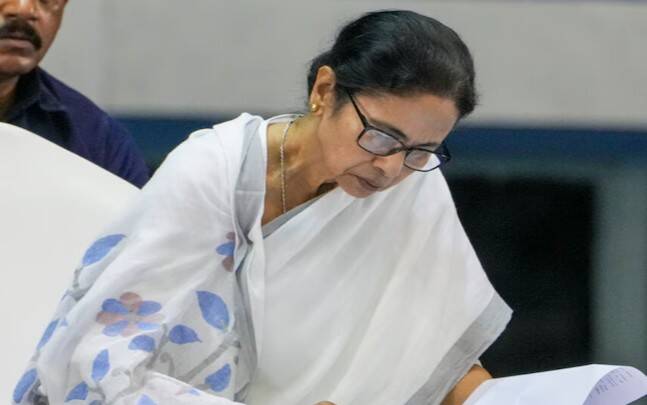
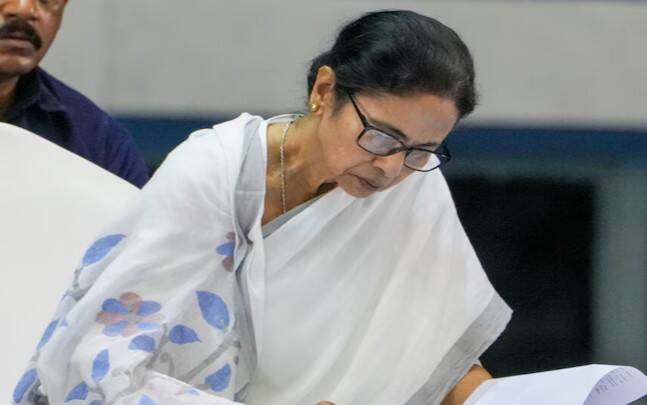
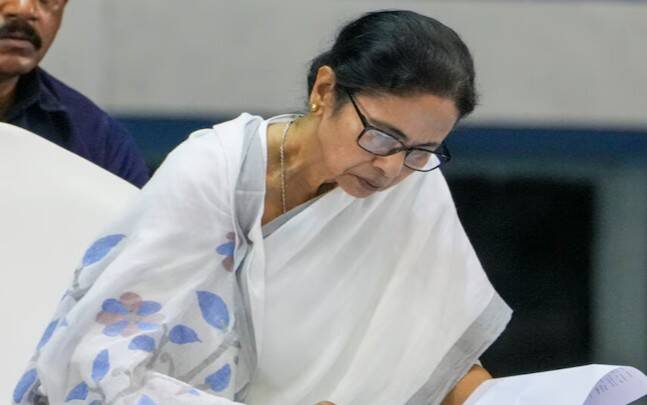
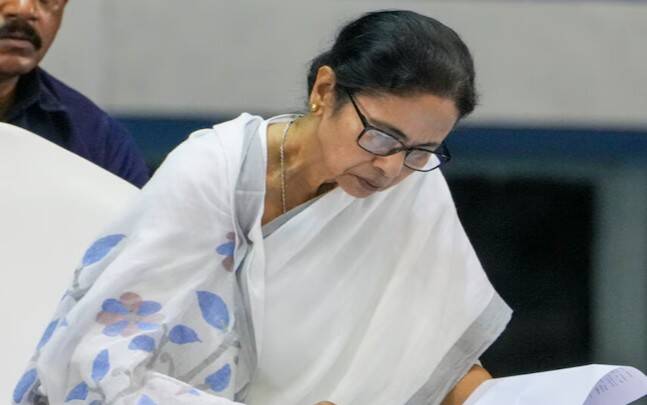
In a unique and creative expression of dissent, West Bengal Chief Minister Mamata Banerjee has taken to poetry to voice her opposition against the SIR (Small Industries and Roads) project. The CM has penned 26 poems, which she claims reflect the pain and resistance of people affected by the process. The collection of poems, titled ‘SIR: 26 in 26’, is a testament to the CM’s literary prowess and her commitment to fighting for the rights of her people.
According to Banerjee, the poems were written within a few days while she was travelling between engagements. This feat is a remarkable one, considering the demanding schedule of a Chief Minister and the time and effort required to craft meaningful poetry. The fact that she was able to produce 26 poems in such a short span of time is a testament to her dedication to the cause and her passion for creative expression.
The book, ‘SIR: 26 in 26’, is dedicated to “those who have lost their lives in this ruinous game,” Banerjee said. This statement highlights the human cost of the SIR project and the devastating impact it has had on the lives of many people. By dedicating her book to the victims of the project, Banerjee is drawing attention to the plight of those who have been affected and emphasizing the need for urgent action to mitigate the harm caused.
The SIR project has been a contentious issue in West Bengal, with many people opposing it due to its potential to displace thousands of families and destroy livelihoods. The project involves the construction of a new road and the development of small industries, but it has been criticized for its lack of transparency and consultation with affected communities. Banerjee’s poems are a powerful expression of the resistance and defiance of the people who are fighting against the project.
Through her poetry, Banerjee is giving voice to the concerns and fears of the people who are most affected by the SIR project. Her poems are a testament to the power of creative expression to inspire and mobilize people in the face of adversity. By using her poetry to speak out against the SIR project, Banerjee is setting an example for others to follow and demonstrating the importance of using one’s platform to raise awareness about social and political issues.
Banerjee’s decision to write poems against the SIR project is also significant because it highlights the importance of art and culture in politics. In an era where politics is often dominated by rhetoric and sound bites, Banerjee’s use of poetry to express her opinions is a refreshing change. It shows that politics can be a nuanced and multifaceted field, where different forms of expression can be used to convey complex ideas and emotions.
The fact that Banerjee is a Chief Minister who is also a poet is a rare and remarkable thing. It speaks to her unique personality and her ability to balance different aspects of her life. While many politicians are content to stick to traditional forms of expression, Banerjee is willing to take risks and experiment with new forms of creative expression.
In conclusion, Mamata Banerjee’s 26 poems against the SIR project are a powerful expression of her opposition to the project and her commitment to the people of West Bengal. The poems are a testament to her literary talent and her ability to use creative expression to inspire and mobilize people. By dedicating her book to the victims of the SIR project, Banerjee is drawing attention to the human cost of the project and emphasizing the need for urgent action to mitigate the harm caused.
As the debate over the SIR project continues, Banerjee’s poems are a reminder of the importance of considering the human impact of development projects. They are a call to action, urging policymakers to prioritize the needs and concerns of affected communities and to ensure that development is sustainable and equitable.
The publication of Banerjee’s poems is also a significant moment in the ongoing battle against the SIR project. It shows that the opposition to the project is not just limited to political rallies and protests, but also includes cultural and artistic expressions of dissent. By using poetry to speak out against the SIR project, Banerjee is inspiring others to use their creative talents to raise awareness about social and political issues.
In the end, the success of Banerjee’s poems will depend on their ability to inspire and mobilize people to take action against the SIR project. If the poems can galvanize public opinion and put pressure on policymakers to reconsider the project, then they will have achieved their purpose. As a work of literature, the poems are a significant contribution to the cultural landscape of West Bengal, and they will be remembered for years to come as a powerful expression of resistance and defiance.
About the Author