West Bengal CM Mamata Banerjee writes 26 poems against SIR
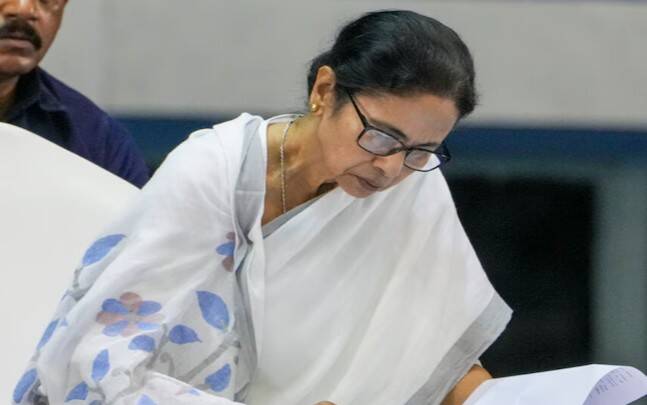
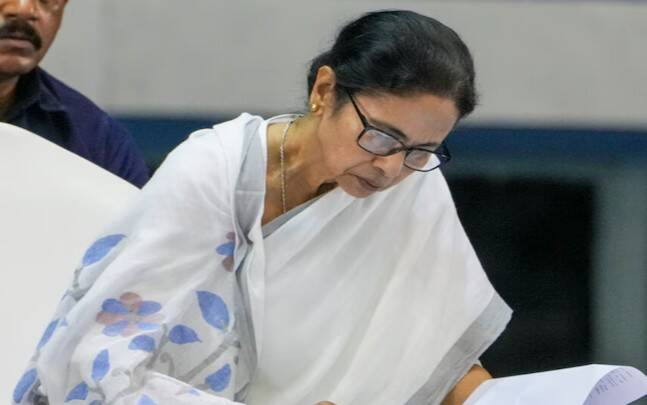
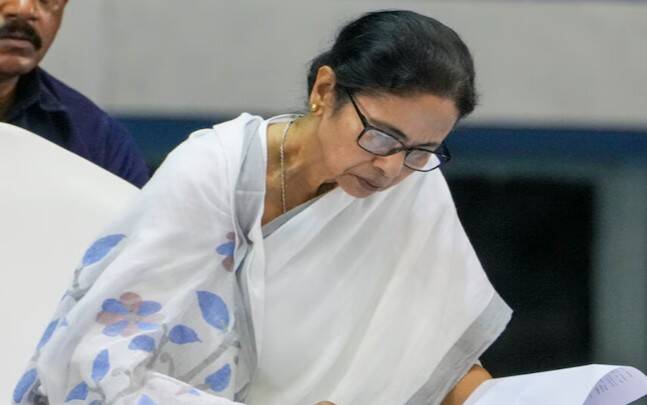
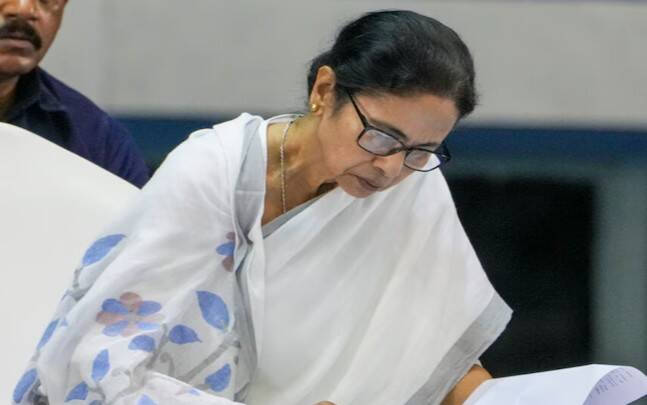
In a unique and creative expression of protest, West Bengal Chief Minister Mamata Banerjee has written 26 poems against the SIR (Silicon Valley of India) project, a contentious issue that has been at the center of a heated legal and political battle. The poems, which reflect the pain and resistance of people affected by the process, have been compiled into a book titled ‘SIR: 26 in 26’. This remarkable literary endeavor is a testament to Banerjee’s commitment to the cause and her determination to give voice to the concerns of her people.
According to Banerjee, the poems were written over a short period of time, while she was traveling between engagements. This speaks to the depth of her passion and conviction on the issue, as well as her ability to tap into the emotions and experiences of those affected by the SIR project. The book is dedicated to “those who have lost their lives in this ruinous game,” a poignant acknowledgment of the human cost of the project and the struggles of the people.
The SIR project has been a major point of contention in West Bengal, with many residents and activists expressing concerns about its potential impact on the environment, local communities, and the state’s economy. The project, which aims to establish a large industrial and technological hub in the region, has been touted as a major economic development initiative by its proponents. However, opponents argue that it will lead to displacement, environmental degradation, and exploitation of local resources.
Banerjee’s poems are a powerful expression of the emotions and sentiments of the people affected by the SIR project. They reflect the pain, anxiety, and uncertainty that many have felt as a result of the project’s implementation. Through her words, Banerjee gives voice to the concerns and fears of the people, and provides a platform for their stories and experiences to be heard.
The fact that Banerjee, a busy and prominent political leader, took the time to write 26 poems on this issue is a testament to her commitment to the cause. It also highlights the importance of creative expression and artistic protest in bringing attention to social and political issues. By using poetry as a form of protest, Banerjee is able to reach a wider audience and convey the emotional and human impact of the SIR project in a way that might not be possible through traditional political discourse.
The book ‘SIR: 26 in 26’ is not just a collection of poems; it is a call to action, a reminder of the need for empathy, compassion, and understanding in the face of adversity. It is a powerful statement about the importance of listening to the voices of the people, and of prioritizing their needs and concerns above the interests of powerful corporations and governments.
In a time when politics and social issues are often dominated by rhetoric and ideology, Banerjee’s poems are a refreshing reminder of the power of art and creativity to inspire, to educate, and to mobilize. They demonstrate that even in the midst of conflict and controversy, there is always room for beauty, for emotion, and for the human spirit to shine through.
As the debate over the SIR project continues, Banerjee’s poems will undoubtedly play an important role in shaping the conversation and raising awareness about the issues at stake. They will also serve as a reminder of the importance of empathy, compassion, and understanding in the face of adversity, and of the need for leaders to listen to the voices of the people and to prioritize their needs and concerns.
In conclusion, West Bengal CM Mamata Banerjee’s 26 poems against SIR are a powerful expression of protest and a testament to the importance of creative expression in bringing attention to social and political issues. The book ‘SIR: 26 in 26’ is a must-read for anyone interested in the SIR project, and a reminder of the need for empathy, compassion, and understanding in the face of adversity.
About the Author