West Bengal CM Mamata Banerjee writes 26 poems against SIR
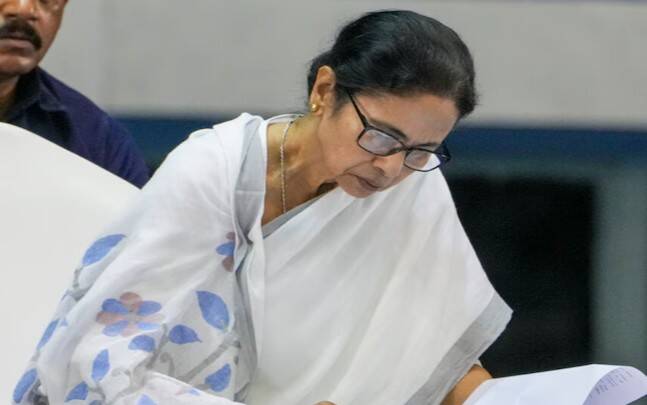
In a unique and creative expression of protest, West Bengal Chief Minister Mamata Banerjee has penned 26 poems against the SIR (Silicon Island of Rajarhat) project, a contentious issue that has been at the center of a long-standing legal and political battle in the state. The poems, compiled in a book titled ‘SIR: 26 in 26’, are a testament to the Chief Minister’s literary prowess and her commitment to voicing the concerns of the people affected by the project.
According to Banerjee, the poems reflect the pain and resistance of those who have been impacted by the SIR process. The book is dedicated to “those who have lost their lives in this ruinous game,” she said, highlighting the human cost of the project. The fact that she wrote the poems within a few days, while traveling between engagements, is a testament to her passion and dedication to the cause.
The SIR project has been a contentious issue in West Bengal, with many opposing it on environmental and social grounds. The project involves the development of a massive IT hub in Rajarhat, which is expected to attract significant investment and create jobs. However, critics argue that the project will lead to the displacement of farmers and villagers, and cause irreparable damage to the environment.
Banerjee’s poetic protest is a powerful expression of the concerns and fears of the people affected by the project. Through her poems, she gives voice to the voiceless and highlights the human cost of the project. The poems are a call to action, urging the authorities to reconsider the project and its impact on the people and the environment.
The book ‘SIR: 26 in 26’ is a significant literary work that showcases Banerjee’s literary skills and her ability to express complex emotions and ideas through poetry. The poems are a reflection of the Chief Minister’s deep understanding of the issues affecting the people of West Bengal and her commitment to fighting for their rights.
The timing of the book’s release is also significant, coming as it does amid a heated legal and political battle over the SIR project. The project has been challenged in court by several petitioners, who argue that it violates environmental and social norms. The state government, on the other hand, has defended the project, arguing that it is essential for the economic development of the state.
Banerjee’s poetic protest adds a new dimension to the debate over the SIR project. It highlights the human cost of the project and the need for the authorities to consider the concerns of the people affected by it. The poems are a powerful reminder that development must be sustainable and equitable, and that the rights of the people and the environment must be protected.
In conclusion, West Bengal CM Mamata Banerjee’s 26 poems against SIR are a powerful expression of protest and a testament to her literary skills. The poems reflect the pain and resistance of the people affected by the project and highlight the human cost of the SIR process. The book ‘SIR: 26 in 26’ is a significant literary work that showcases Banerjee’s commitment to the people of West Bengal and her fight for their rights.
The release of the book is a significant development in the ongoing debate over the SIR project. It adds a new dimension to the discussion and highlights the need for the authorities to consider the concerns of the people affected by the project. As the legal and political battle over the SIR project continues, Banerjee’s poetic protest is a powerful reminder of the human cost of the project and the need for sustainable and equitable development.
The people of West Bengal will be watching the developments over the SIR project with great interest. They will be expecting the authorities to take into account the concerns and fears expressed by Banerjee in her poems. The state government must ensure that the project is implemented in a way that protects the rights of the people and the environment.
In the end, the SIR project is not just a development project, but a test of the state government’s commitment to the people and the environment. The authorities must ensure that the project is implemented in a way that is sustainable and equitable, and that the concerns of the people are taken into account.
About the Author