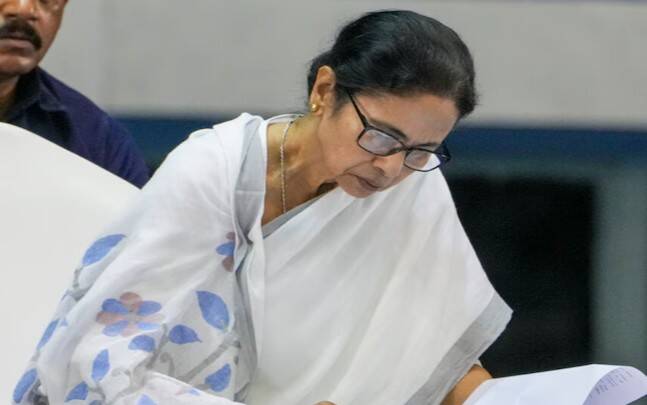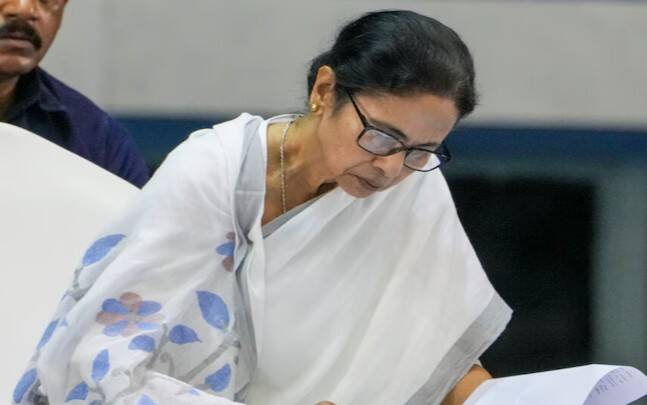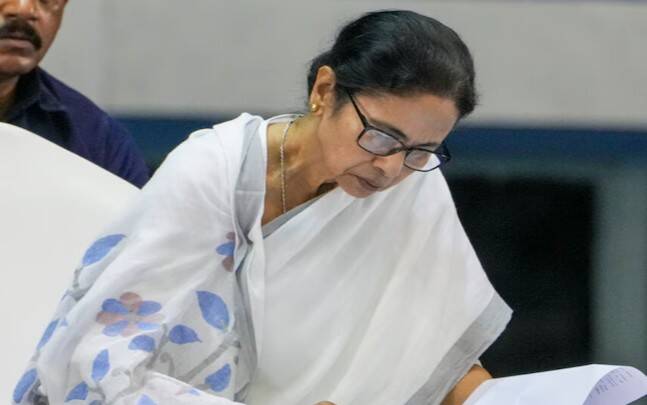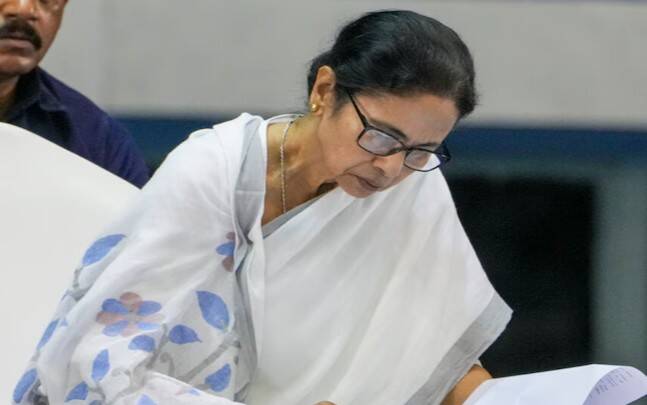
West Bengal CM Mamata Banerjee writes 26 poems against SIR
In a unique and creative expression of resistance, West Bengal Chief Minister Mamata Banerjee has penned 26 poems against the SIR (Sagarmala Initiative and Railway) project, a contentious issue that has sparked widespread protests and controversy in the state. The poems, compiled in a book titled ‘SIR: 26 in 26’, are a testament to the pain and suffering of the people affected by the project, Banerjee said.
According to Banerjee, the poems reflect the emotions and sentiments of the common people who have been impacted by the SIR project, which has been marred by allegations of displacement, environmental degradation, and lack of transparency. The book is dedicated to “those who have lost their lives in this ruinous game,” she said, highlighting the human cost of the project.
What is remarkable about Banerjee’s poetic endeavour is that she wrote all 26 poems within a span of just a few days, while travelling between engagements. This feat speaks to her passion and commitment to the cause, as well as her creative energy and productivity. The poems are a powerful expression of her solidarity with the people of West Bengal, who have been fighting against the SIR project for years.
The SIR project, which aims to develop a network of ports, railways, and highways along India’s coastline, has been touted as a major infrastructure initiative by the central government. However, it has faced stiff resistance from local communities, environmental groups, and opposition parties, who argue that the project will displace thousands of people, destroy livelihoods, and damage the environment.
Banerjee’s poems are a reflection of the widespread discontent and anger among the people of West Bengal, who feel that their concerns and voices have been ignored by the authorities. The poems are a call to action, urging the people to rise up against the SIR project and demand justice and accountability from the government.
Through her poems, Banerjee has also highlighted the contradictions and paradoxes of the SIR project, which promises economic growth and development but delivers only displacement and destruction. The poems are a scathing critique of the government’s policies and actions, which have prioritized the interests of corporations and politicians over those of the people.
The book ‘SIR: 26 in 26’ is not just a collection of poems; it is a testament to the power of art and creativity in the face of oppression and resistance. Banerjee’s poems are a reminder that even in the darkest of times, there is always hope and a way to express oneself and challenge the status quo.
The publication of the book comes at a time when the SIR project is facing intense legal and political scrutiny. The West Bengal government has been locked in a bitter battle with the central government over the project, with Banerjee accusing the centre of trying to impose its will on the state without consulting the people.
The poems are also a reflection of Banerjee’s own personal commitment to the cause, as well as her willingness to take risks and challenge the establishment. As a politician and a poet, she has shown that she is not afraid to speak truth to power and to use her creativity to mobilize public opinion and build resistance.
In conclusion, Mamata Banerjee’s 26 poems against the SIR project are a powerful expression of resistance and creativity, highlighting the pain and suffering of the people affected by the project. The poems are a call to action, urging the people to rise up against the SIR project and demand justice and accountability from the government. As a testament to the power of art and creativity, the book ‘SIR: 26 in 26’ is a must-read for anyone interested in social justice, environmental activism, and poetry.
About the Author