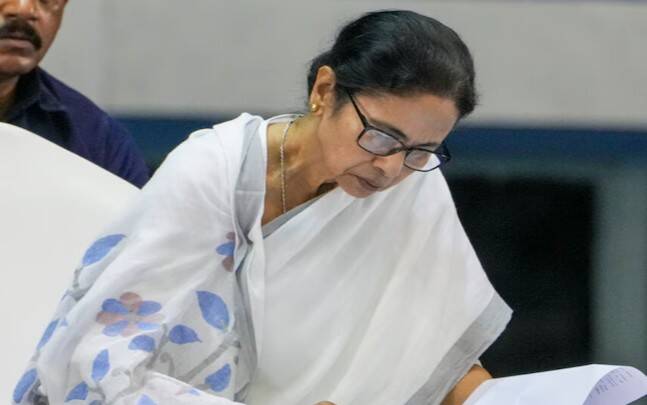
West Bengal CM Mamata Banerjee writes 26 poems against SIR
In a unique and creative expression of protest, West Bengal Chief Minister Mamata Banerjee has penned 26 poems against the controversial SIR (Silicon Island of Ruin) project, which has been at the center of a heated legal and political battle in the state. The poems, compiled in a book titled ‘SIR: 26 in 26’, are a reflection of the pain and resistance of the people affected by the project, according to Banerjee.
The Chief Minister, known for her passion for poetry and literature, wrote the poems within a few days while traveling between engagements, showcasing her dedication to the cause. The book is dedicated to “those who have lost their lives in this ruinous game,” a testament to the human cost of the SIR project. Through her poems, Banerjee aims to give voice to the concerns and struggles of the people who have been impacted by the project, and to highlight the need for accountability and justice.
The SIR project has been a contentious issue in West Bengal, with many critics arguing that it will lead to large-scale displacement of people, destruction of the environment, and exploitation of natural resources. The project has also been at the center of a legal battle, with several petitions filed in court challenging its validity and the manner in which it has been implemented.
Banerjee’s poetic protest is a significant development in the ongoing debate over the SIR project. By using the power of poetry to express her concerns and those of the people, she is able to connect with a wider audience and to convey the emotional and human impact of the project. The poems are a call to action, urging readers to think critically about the consequences of the SIR project and to demand accountability from those responsible.
The book ‘SIR: 26 in 26’ is a testament to Banerjee’s creativity and commitment to social justice. The poems are a powerful expression of the human spirit, and a reminder that even in the face of adversity, there is always hope for a better future. By writing these poems, Banerjee is not only protesting against the SIR project but also celebrating the resilience and determination of the people who are fighting against it.
The use of poetry as a form of protest is not new, and it has been employed by many social and political movements throughout history. Poetry has the power to inspire, to educate, and to mobilize people, and it can be a potent tool for social change. Banerjee’s poems are a reminder that poetry can be a powerful medium for expressing dissent and for challenging the status quo.
In recent years, there has been a growing trend of politicians and public figures using creative forms of expression to convey their messages and to connect with their audiences. Banerjee’s poetic protest is part of this trend, and it highlights the importance of creativity and innovation in politics. By using poetry to express her concerns and to mobilize public opinion, Banerjee is able to reach out to a wider audience and to build a broader coalition of support for her cause.
The SIR project has been a major issue in West Bengal, and it has sparked widespread protests and demonstrations. Banerjee’s poetic protest is a significant contribution to this movement, and it has the potential to inspire and to mobilize even more people to take action. The poems are a call to action, urging readers to think critically about the consequences of the SIR project and to demand accountability from those responsible.
In conclusion, West Bengal Chief Minister Mamata Banerjee’s decision to write 26 poems against the SIR project is a unique and powerful expression of protest. The poems, compiled in the book ‘SIR: 26 in 26’, are a reflection of the pain and resistance of the people affected by the project, and they are a call to action, urging readers to think critically about the consequences of the SIR project and to demand accountability from those responsible. Banerjee’s poetic protest is a testament to the power of creativity and innovation in politics, and it highlights the importance of using all forms of expression to mobilize public opinion and to bring about social change.
About the Author