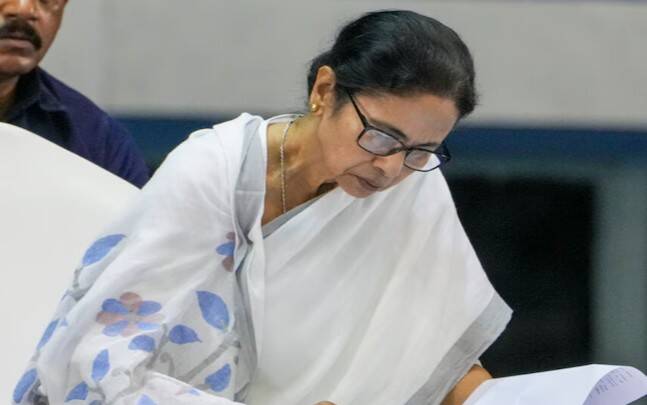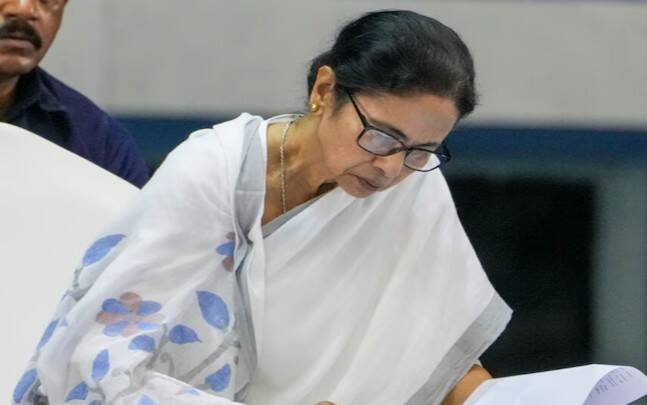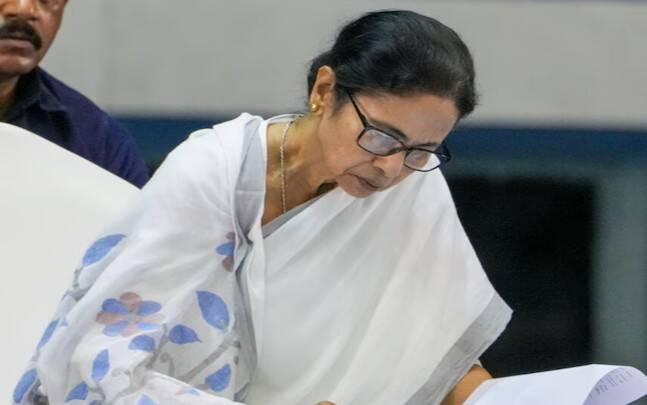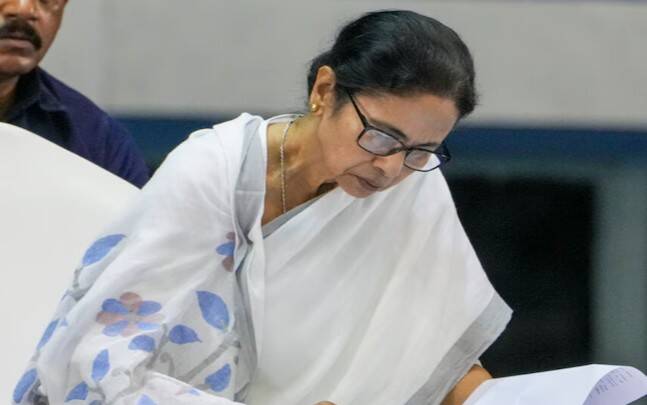
West Bengal CM Mamata Banerjee writes 26 poems against SIR
In a unique and creative expression of her opposition to the SIR (Special Industrial Region) project, West Bengal Chief Minister Mamata Banerjee has penned a collection of 26 poems, titled ‘SIR: 26 in 26’. The book, which reflects the pain and resistance of people affected by the SIR process, is dedicated to “those who have lost their lives in this ruinous game,” according to Banerjee.
The SIR project has been a contentious issue in West Bengal, with many opposing it due to concerns over land acquisition, displacement of farmers, and environmental degradation. The project aims to establish a special industrial region in the state, which would facilitate the setting up of industries and create employment opportunities. However, the opposition to the project has been fierce, with many arguing that it would lead to the displacement of thousands of farmers and villagers, and would have a devastating impact on the environment.
Banerjee, who has been at the forefront of the opposition to the SIR project, has now taken to poetry to express her feelings and concerns about the issue. The 26 poems in the book, which she wrote within a few days while travelling between engagements, reflect the emotions and sentiments of the people affected by the project. The poems are a powerful expression of the resistance and defiance of the people, and are a testament to the human spirit’s ability to persevere in the face of adversity.
The book, ‘SIR: 26 in 26’, is a significant contribution to the ongoing debate and discussion about the SIR project. It is a powerful and moving portrayal of the human cost of the project, and highlights the need for a more nuanced and empathetic approach to development. The poems in the book are a call to action, urging readers to think critically about the impact of the SIR project on the people and the environment, and to join the resistance against it.
Banerjee’s decision to write poetry as a form of protest is a significant one. Poetry has long been a powerful tool for social commentary and activism, and has been used by many writers and artists throughout history to express their opposition to injustice and oppression. By using poetry as a form of protest, Banerjee is able to reach out to a wider audience and to convey her message in a more creative and engaging way.
The poems in ‘SIR: 26 in 26’ are a reflection of Banerjee’s own experiences and feelings about the SIR project. They are a personal and emotional response to the issue, and are a testament to her commitment to the people of West Bengal. The poems are also a reflection of the broader social and political context in which the SIR project is being implemented, and highlight the need for a more just and equitable approach to development.
The release of ‘SIR: 26 in 26’ comes at a time when the SIR project is facing intense opposition and scrutiny. The project has been the subject of numerous protests and demonstrations, and has been criticized by many for its potential impact on the environment and on the lives of farmers and villagers. The book is a significant contribution to the ongoing debate and discussion about the project, and is a powerful expression of the resistance and defiance of the people.
In conclusion, ‘SIR: 26 in 26’ is a significant and powerful collection of poems that reflect the pain and resistance of people affected by the SIR process. The book, which is dedicated to “those who have lost their lives in this ruinous game,” is a testament to the human spirit’s ability to persevere in the face of adversity, and is a call to action, urging readers to think critically about the impact of the SIR project on the people and the environment. The poems in the book are a reflection of Banerjee’s own experiences and feelings about the SIR project, and are a powerful expression of her opposition to the project.
The release of ‘SIR: 26 in 26’ is a significant event, and is a testament to the power of poetry as a form of social commentary and activism. The book is a must-read for anyone interested in the SIR project and its impact on the people and the environment of West Bengal. It is a powerful and moving portrayal of the human cost of the project, and is a call to action, urging readers to join the resistance against it.
About the Author