West Bengal CM Mamata Banerjee writes 26 poems against SIR
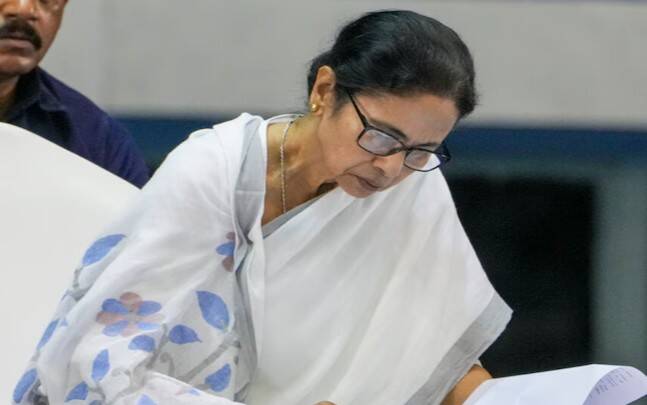
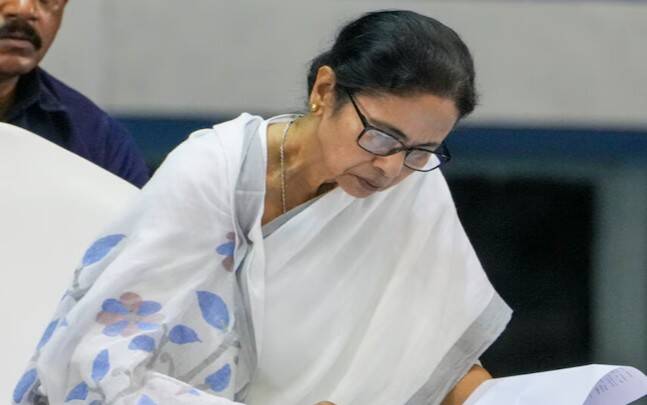
In a unique and creative expression of protest, West Bengal Chief Minister Mamata Banerjee has written 26 poems against the SIR (Silicon Valley of India) project, which has been a contentious issue in the state. The poems, compiled in a book titled ‘SIR: 26 in 26’, reflect the pain and resistance of people affected by the process, according to Banerjee. This literary endeavor is a testament to the Chief Minister’s commitment to standing with the people of West Bengal and voicing their concerns through a powerful medium.
The book, dedicated to “those who have lost their lives in this ruinous game,” is a poignant reminder of the human cost of the SIR project. Banerjee’s poems are a heartfelt expression of the suffering and struggles faced by the people of West Bengal, and her dedication is a tribute to the lives lost in the process. By writing these poems, Banerjee aims to amplify the voices of those affected and to bring attention to the issue, which has been a focal point of her government’s opposition.
What is remarkable about this literary endeavor is that Banerjee wrote the 26 poems within a few days, while travelling between engagements. This feat is a testament to her creativity, passion, and commitment to the cause. Despite her busy schedule, Banerjee found the time to express herself through poetry, highlighting the importance she attaches to this issue. Her ability to write 26 poems in such a short span is a reflection of her artistic talent and her dedication to the people of West Bengal.
The SIR project has been a contentious issue in West Bengal, with the government and opposition locked in a bitter battle. The project, aimed at creating a Silicon Valley-like hub in the state, has been criticized for its potential impact on the environment, displacement of people, and lack of transparency. The West Bengal government, led by Banerjee, has been vocal in its opposition to the project, citing concerns about the welfare of the people and the state’s natural resources.
Through her poems, Banerjee has given voice to the concerns of the people of West Bengal, who have been affected by the SIR project. Her literary work is a powerful expression of the resistance and resilience of the people, who are determined to protect their land, livelihoods, and way of life. The poems are a call to action, urging the people to stand together and fight against the project, which has the potential to devastate the state’s ecosystem and displace thousands of people.
The publication of ‘SIR: 26 in 26’ is a significant event in the ongoing battle against the SIR project. The book is a testament to the power of art and literature in expressing the concerns and aspirations of the people. By using poetry as a medium of protest, Banerjee has shown that even in the midst of a bitter political battle, there is room for creativity and self-expression.
The release of the book has been widely reported in the media, with many praising Banerjee’s literary talent and her commitment to the cause. The book has been seen as a unique and innovative way of protesting against the SIR project, and it is likely to inspire others to express themselves through art and literature.
In conclusion, West Bengal Chief Minister Mamata Banerjee’s decision to write 26 poems against the SIR project is a powerful expression of her commitment to the people of West Bengal. The poems, compiled in the book ‘SIR: 26 in 26’, reflect the pain and resistance of those affected by the process and are a testament to the human cost of the project. By using poetry as a medium of protest, Banerjee has shown that even in the midst of a bitter political battle, there is room for creativity and self-expression.
The publication of the book is a significant event in the ongoing battle against the SIR project, and it is likely to inspire others to express themselves through art and literature. As the people of West Bengal continue to resist the project, Banerjee’s poems will serve as a powerful reminder of their struggles and aspirations.
About the Author