West Bengal CM Mamata Banerjee writes 26 poems against SIR
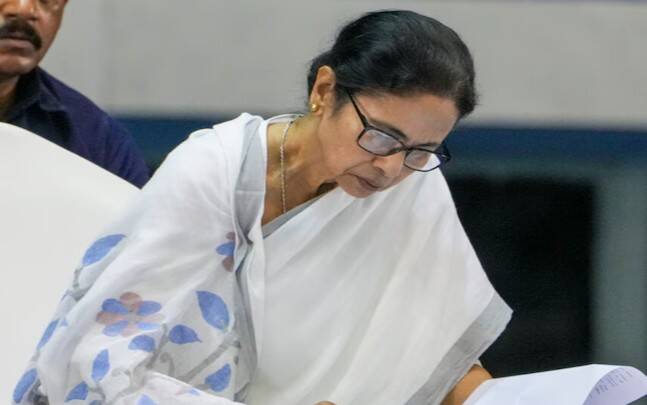
In a unique and creative expression of dissent, West Bengal Chief Minister Mamata Banerjee has penned 26 poems against the Special Investigation Room (SIR), a move that reflects her strong opposition to the process. The poems, compiled in a book titled ‘SIR: 26 in 26’, are a testament to the pain and resistance of people affected by the SIR, according to Banerjee. The book is dedicated to “those who have lost their lives in this ruinous game,” she said, highlighting the human cost of the process.
The poems were written by Banerjee within a few days, while she was travelling between engagements, showcasing her ability to multitask and express herself creatively, even in the midst of a hectic schedule. The fact that she chose to write poems as a form of protest highlights the emotional and personal toll that the SIR has taken on the people of West Bengal, and Banerjee’s own commitment to standing up against it.
The SIR has been a contentious issue in West Bengal, with Banerjee and her government locked in a legal and political battle against it. The Chief Minister has been vocal in her opposition to the SIR, citing concerns about its impact on the state’s economy, politics, and people. The poems, therefore, are not just a creative expression, but also a powerful tool of protest, allowing Banerjee to convey her message and connect with the people of West Bengal on a deeper level.
Through her poems, Banerjee has given voice to the struggles and aspirations of the people of West Bengal, who have been affected by the SIR in various ways. The poems are a reflection of the pain, anger, and frustration that many people in the state feel, and they serve as a reminder that the SIR is not just a legal or political issue, but a human one. By writing these poems, Banerjee has humanized the issue, making it more relatable and accessible to a wider audience.
The book, ‘SIR: 26 in 26’, is a significant literary contribution, not just because of its content, but also because of its context. It highlights the importance of creative expression in politics, and the role that art can play in shaping public discourse. The poems are a testament to the power of literature to inspire, educate, and mobilize people, and they demonstrate Banerjee’s own commitment to using her platform to raise awareness about important issues.
The fact that Banerjee chose to write poems as a form of protest also highlights the limitations of traditional forms of political expression. In an era where social media dominates the public discourse, and politicians often rely on soundbites and slogans to get their message across, Banerjee’s decision to write poems is a refreshing change. It shows that there is still value in taking the time to craft a thoughtful, nuanced, and creative message, one that can resonate with people on a deeper level.
The poems have also sparked a wider conversation about the role of art and literature in politics. They have inspired many people to think creatively about how to express themselves and engage with the world around them. In an era where politics is often dominated by binary thinking and simplistic solutions, Banerjee’s poems offer a nuanced and multifaceted perspective, one that acknowledges the complexity of the issues and the need for empathy and understanding.
In conclusion, West Bengal Chief Minister Mamata Banerjee’s decision to write 26 poems against the SIR is a significant development, one that highlights her commitment to creative expression and her willingness to think outside the box. The poems are a powerful tool of protest, allowing Banerjee to connect with the people of West Bengal on a deeper level and to raise awareness about the human impact of the SIR. They are also a testament to the importance of art and literature in politics, and a reminder that creative expression can be a powerful catalyst for change.
As the debate around the SIR continues, Banerjee’s poems are likely to play an important role in shaping the public discourse. They offer a unique perspective on the issue, one that is both personal and political, and they demonstrate the power of creative expression to inspire, educate, and mobilize people. Whether or not one agrees with Banerjee’s views on the SIR, her poems are a significant literary contribution, one that deserves to be read, debated, and discussed.
About the Author