Threat to Regional Stability: Somalia Prez on Israel Recognising Somaliland
In a shocking move, Israel has become the first country to recognize Somaliland, a self-declared state in East Africa, as a sovereign nation. This decision has sent shockwaves across the region, with Somalia’s President Hassan Sheikh Mohamud condemning the move as a “threat to security and stability of the world and the region.” The recognition of Somaliland by Israel has sparked a heated debate, with many questioning the motives behind this decision and its potential implications for regional stability.
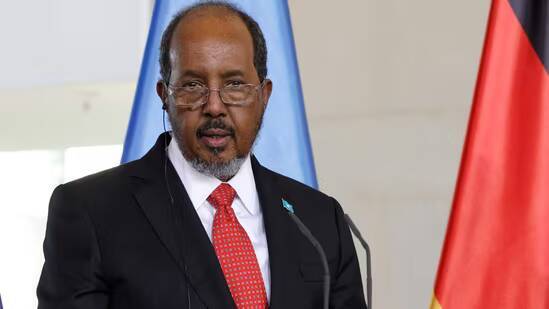
Somalia’s President Mohamud addressed an emergency parliamentary session, where he strongly denounced Israel’s recognition of Somaliland. He stated that this move is “tantamount to blunt aggression against the sovereignty, independence, territorial integrity, and the unity of the people of Somali Republic.” The Somali government has long considered Somaliland to be a part of its territory, and Israel’s recognition of the region as a separate entity is seen as a direct challenge to Somalia’s claims.
The recognition of Somaliland by Israel has significant implications for the region. Somaliland has been seeking international recognition as a sovereign state since it declared independence from Somalia in 1991. However, the international community has been cautious in recognizing Somaliland, citing concerns about the region’s stability and the potential for conflict with Somalia. Israel’s decision to recognize Somaliland has broken this diplomatic deadlock, and it remains to be seen how other countries will respond to this move.
The motivations behind Israel’s recognition of Somaliland are not entirely clear. However, it is believed that Israel is seeking to expand its diplomatic presence in Africa and to counter the influence of other countries in the region. Israel has been actively courting African nations in recent years, and the recognition of Somaliland is seen as a key part of this strategy. Additionally, Somaliland’s strategic location on the Gulf of Aden, a critical waterway for international trade, makes it an attractive partner for Israel.
The recognition of Somaliland by Israel has also sparked concerns about the potential for conflict in the region. Somalia and Somaliland have a long and complex history, with tensions between the two regions dating back to the 1960s. The recognition of Somaliland by Israel has the potential to exacerbate these tensions, and there are fears that the move could lead to violence and instability in the region.
In response to Israel’s recognition of Somaliland, the Somali government has vowed to take action to protect its sovereignty and territorial integrity. President Mohamud has stated that Somalia will not recognize Somaliland as a separate entity and will continue to work towards a unified Somali state. The international community is also watching the situation closely, with many countries expressing concerns about the potential for conflict and instability in the region.
The recognition of Somaliland by Israel has also raised questions about the role of the international community in recognizing sovereign states. The United Nations has long maintained that Somaliland is a part of Somalia, and the recognition of the region as a separate entity by Israel has challenged this position. The move has also sparked debate about the criteria for recognizing sovereign states, with some arguing that Somaliland meets the necessary criteria for statehood while others disagree.
In conclusion, the recognition of Somaliland by Israel has significant implications for regional stability and the international community. The move has sparked concerns about the potential for conflict and instability in the region, and it has challenged the long-held position of the international community on the status of Somaliland. As the situation continues to unfold, it remains to be seen how other countries will respond to Israel’s recognition of Somaliland and what the long-term implications of this move will be.
The Somali government has made it clear that it will not recognize Somaliland as a separate entity, and it will continue to work towards a unified Somali state. The international community must now navigate this complex situation and find a way to promote stability and peace in the region. The recognition of Somaliland by Israel has added a new layer of complexity to the situation, and it will require careful diplomacy and negotiation to resolve the issues at hand.
As the situation in the region continues to evolve, it is essential to consider the potential consequences of Israel’s recognition of Somaliland. The move has the potential to destabilize the region, and it could lead to conflict and violence. However, it also presents an opportunity for the international community to re-examine its position on Somaliland and to find a solution that promotes peace and stability in the region.
Ultimately, the recognition of Somaliland by Israel is a threat to regional stability, and it has significant implications for the international community. The move has sparked concerns about the potential for conflict and instability in the region, and it has challenged the long-held position of the international community on the status of Somaliland. As the situation continues to unfold, it is essential to consider the potential consequences of this move and to work towards a solution that promotes peace and stability in the region.
About the Author