Threat to Regional Stability: Somalia Prez on Israel Recognising Somaliland
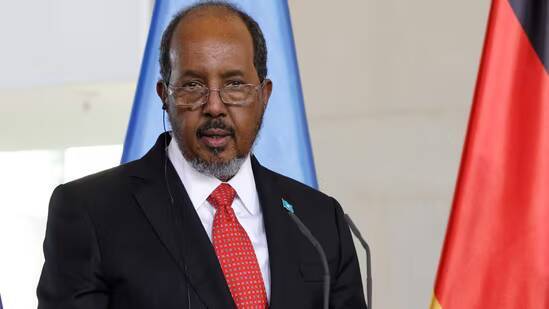
The recent recognition of Somaliland by Israel has sparked a heated debate in the international community, with Somalia’s President Hassan Sheikh Mohamud condemning the move as a “threat to security and stability of the world and the region.” In an emergency parliamentary session, Mohamud expressed his strong opposition to Israel’s decision, stating that it is “tantamount to blunt aggression against the sovereignty, independence, territorial integrity, and the unity of the people of Somali Republic.” This development has significant implications for regional stability, and it is essential to understand the context and potential consequences of Israel’s recognition of Somaliland.
Somaliland, a self-declared state in East Africa, has been seeking international recognition for decades. Despite its declaration of independence in 1991, Somaliland has not been recognized as a sovereign state by the international community, except by Israel. The Israeli government’s decision to recognize Somaliland has been seen as a significant shift in the country’s foreign policy, and it is likely to have far-reaching consequences for the region.
President Mohamud’s strong reaction to Israel’s recognition of Somaliland is not surprising, given the historical and cultural ties between Somalia and Somaliland. The two territories were formerly a single country, and the separation of Somaliland in 1991 was a result of a long and bloody civil war. Since then, Somalia has considered Somaliland as a part of its territory, and the Somali government has been opposed to any recognition of Somaliland as a separate state.
The recognition of Somaliland by Israel has been seen as a blow to Somalia’s territorial integrity and sovereignty. President Mohamud has argued that Israel’s decision is a violation of international law and the principles of national sovereignty. He has also warned that the recognition of Somaliland could lead to further instability and conflict in the region, as other countries may follow Israel’s example and recognize Somaliland as a separate state.
The international community has been cautious in its response to Israel’s recognition of Somaliland. The African Union and the United Nations have not recognized Somaliland as a sovereign state, and they have called for a peaceful resolution to the conflict between Somalia and Somaliland. The European Union has also expressed its concern over the recognition of Somaliland, stating that it could lead to further instability in the region.
The recognition of Somaliland by Israel has significant implications for regional stability. The Horn of Africa is already a volatile region, with several countries facing conflict, terrorism, and poverty. The recognition of Somaliland could lead to further instability and conflict, as other countries in the region may feel compelled to take sides. The Somali government has already warned that it will take all necessary measures to protect its territorial integrity and sovereignty, which could lead to a further escalation of the conflict.
In addition to the regional implications, the recognition of Somaliland by Israel also has significant implications for the Israeli-Palestinian conflict. The Israeli government’s decision to recognize Somaliland has been seen as a attempt to distract from the Palestinian issue and to gain support from African countries. However, this move is likely to backfire, as many African countries are likely to view Israel’s recognition of Somaliland as a hypocritical move, given its treatment of the Palestinian people.
In conclusion, the recognition of Somaliland by Israel is a significant development that has far-reaching implications for regional stability. The Somali government has condemned the move as a threat to its sovereignty and territorial integrity, and the international community has been cautious in its response. The recognition of Somaliland could lead to further instability and conflict in the region, and it is essential that the international community takes a unified stance on the issue. As President Mohamud has warned, the recognition of Somaliland is “tantamount to blunt aggression against the sovereignty, independence, territorial integrity, and the unity of the people of Somali Republic,” and it is essential that the international community takes immediate action to prevent further instability in the region.
The recognition of Somaliland by Israel is a complex issue that requires a nuanced and multi-faceted approach. The international community must take into account the historical and cultural ties between Somalia and Somaliland, as well as the potential consequences of recognizing Somaliland as a separate state. The African Union and the United Nations must play a leading role in resolving the conflict between Somalia and Somaliland, and the international community must provide support and assistance to the people of Somalia and Somaliland as they navigate this complex and challenging issue.
As the situation continues to unfold, it is essential that the international community remains vigilant and committed to promoting peace and stability in the region. The recognition of Somaliland by Israel is a significant development that requires a unified and coordinated response from the international community. By working together, we can prevent further instability and conflict in the region and promote a lasting and peaceful resolution to the conflict between Somalia and Somaliland.
About the Author