Threat to Regional Stability: Somalia Prez on Israel Recognising Somaliland
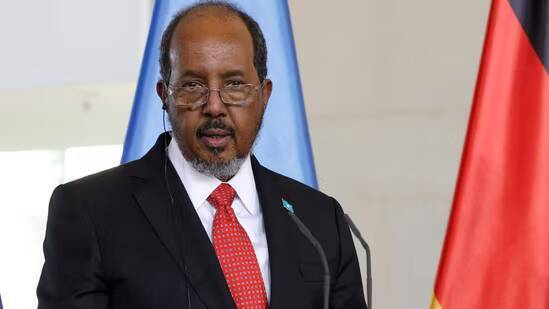
In a shocking move, Israel has become the first country to recognize Somaliland, a self-declared state in East Africa, as a sovereign nation. This decision has sent shockwaves across the region, with neighboring countries and international organizations expressing concerns over the implications of this move. Somalia President Hassan Sheikh Mohamud has been particularly vocal in his criticism, calling Israel’s recognition of Somaliland “a threat to security and stability of the world and the region.”
Addressing an emergency parliamentary session, Mohamud stated, “It’s tantamount to blunt aggression against the sovereignty, independence, territorial integrity, and the unity of the people of Somali Republic.” These strong words reflect the deep-seated concerns of the Somali government and people, who have long considered Somaliland to be an integral part of their country.
Somaliland declared independence from Somalia in 1991, following a brutal civil war that ravaged the region. Since then, the self-declared state has been seeking international recognition, but its efforts have been met with resistance from the Somali government and the international community. The African Union and the United Nations have consistently maintained that Somaliland is part of Somalia, and have encouraged both sides to engage in dialogue to resolve their differences.
Israel’s decision to recognize Somaliland has been seen as a significant shift in the regional dynamics. The move is likely to embolden Somaliland’s claims to independence and may encourage other countries to follow suit. However, this could also lead to a destabilization of the region, as Somalia and other neighboring countries may view this as a challenge to their territorial integrity.
The Somali government has long argued that Somaliland’s independence would undermine the country’s unity and stability. The region has already experienced decades of conflict and instability, and the recognition of Somaliland as a separate state could reignite old rivalries and tensions. Furthermore, the move could also have implications for the wider region, as it may encourage other separatist movements to seek independence.
The international community has been cautious in its response to Israel’s recognition of Somaliland. While some countries have expressed understanding for Somaliland’s desire for self-governance, they have also emphasized the need for a peaceful and negotiated settlement to the conflict. The United Nations has urged both sides to engage in dialogue and to seek a solution that respects the sovereignty and territorial integrity of Somalia.
The recognition of Somaliland by Israel has also raised questions about the motivations behind this move. Some analysts have suggested that Israel may be seeking to expand its influence in the region, particularly in the context of its rivalry with Iran. Others have pointed out that Israel may be seeking to gain access to Somaliland’s strategic ports and natural resources.
Regardless of Israel’s motivations, the recognition of Somaliland has significant implications for regional stability. The move has the potential to destabilize the region, reignite old conflicts, and undermine the territorial integrity of Somalia. As the international community navigates this complex situation, it is essential that all parties engage in dialogue and seek a peaceful and negotiated settlement to the conflict.
In conclusion, the recognition of Somaliland by Israel has sent shockwaves across the region, with Somalia President Hassan Sheikh Mohamud calling it “a threat to security and stability of the world and the region.” As the situation continues to unfold, it is essential that all parties prioritize dialogue and negotiation, and seek a solution that respects the sovereignty and territorial integrity of Somalia. The international community must also play a constructive role in promoting peace and stability in the region, and encouraging all parties to engage in a peaceful and negotiated settlement to the conflict.
About the Author