Threat to Regional Stability: Somalia Prez on Israel Recognising Somaliland
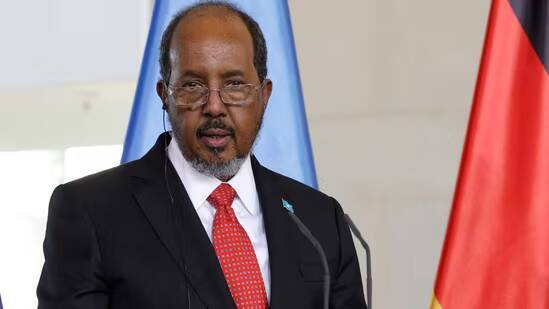
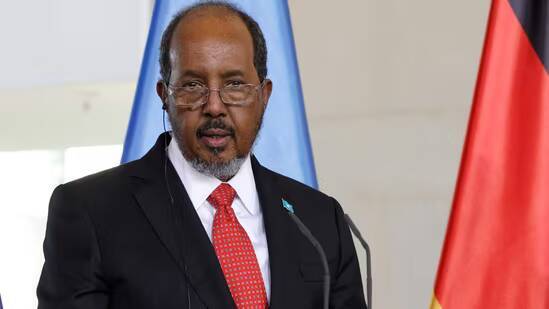
The recent move by Israel to recognize Somaliland has sent shockwaves across the globe, with the Somali President, Hassan Sheikh Mohamud, strongly condemning the decision. In an emergency parliamentary session, Mohamud stated that Israel’s recognition of Somaliland “is a threat to security and stability of the world and the region.” He further emphasized that this move is “tantamount to blunt aggression against the sovereignty, independence, territorial integrity, and the unity of the people of Somali Republic.” This development has significant implications for regional stability, and it is essential to examine the context and potential consequences of Israel’s decision.
To understand the gravity of the situation, it is crucial to delve into the history of Somaliland and its relationship with Somalia. Somaliland, a self-declared state in the Horn of Africa, has been seeking international recognition since it declared independence from Somalia in 1991. Despite its efforts, Somaliland has not been recognized by the international community, with the exception of Israel. This lack of recognition has contributed to the region’s instability, as Somaliland has been engaged in a long-standing dispute with Somalia over its territorial claims.
Israel’s decision to recognize Somaliland is a significant departure from the international community’s stance on the issue. As the first country to extend diplomatic recognition to Somaliland, Israel has sparked a heated debate about the implications of this move. While Israel’s motivations behind this decision are not entirely clear, it is likely that the country is seeking to expand its influence in the region and capitalize on Somaliland’s strategic location.
The Somali President’s strong reaction to Israel’s decision is not surprising, given the historical context of the dispute between Somaliland and Somalia. Mohamud’s statement highlights the concerns that Somalia has about the potential consequences of recognizing Somaliland. By acknowledging Somaliland as a sovereign state, Israel is, in effect, undermining Somalia’s territorial integrity and sovereignty. This move could embolden other regions within Somalia to seek independence, leading to further fragmentation and instability in the country.
The regional implications of Israel’s decision are far-reaching and complex. The Horn of Africa is already a volatile region, with several countries facing internal conflicts, terrorism, and economic challenges. The recognition of Somaliland by Israel could exacerbate these issues, as it may create a precedent for other regions to seek independence. This could lead to a surge in separatist movements, further destabilizing the region and creating opportunities for extremist groups to exploit the chaos.
Furthermore, Israel’s decision may also have significant implications for the African Union (AU) and the international community’s efforts to promote regional stability. The AU has long maintained that Somaliland is an integral part of Somalia, and Israel’s recognition of Somaliland undermines this position. This move may create tensions between Israel and the AU, as well as other countries that have traditionally supported Somalia’s territorial integrity.
In addition to the regional implications, Israel’s decision may also have significant economic consequences. Somaliland has been seeking to develop its economy, particularly in the areas of trade and investment. With Israel’s recognition, Somaliland may gain access to new markets and investment opportunities, which could potentially boost its economy. However, this could also create economic tensions with Somalia, which may feel that Somaliland is unfairly benefiting from its relationship with Israel.
In conclusion, the recognition of Somaliland by Israel is a complex and sensitive issue that has significant implications for regional stability. The Somali President’s strong reaction to this move highlights the concerns that Somalia has about the potential consequences of recognizing Somaliland. As the international community continues to navigate this issue, it is essential to consider the historical context, regional implications, and potential consequences of Israel’s decision. The situation demands careful diplomacy and a nuanced approach to avoid exacerbating the existing tensions in the region.
The international community must also consider the potential long-term consequences of recognizing Somaliland. While Israel’s decision may provide Somaliland with a sense of legitimacy and recognition, it may also create a precedent for other regions to seek independence. This could lead to a surge in separatist movements, further destabilizing the region and creating opportunities for extremist groups to exploit the chaos.
Ultimately, the recognition of Somaliland by Israel is a threat to regional stability, and it is essential to address this issue through careful diplomacy and a nuanced approach. The international community must work together to promote regional stability, respect the sovereignty and territorial integrity of all countries, and avoid creating precedents that could exacerbate existing tensions.
About the Author