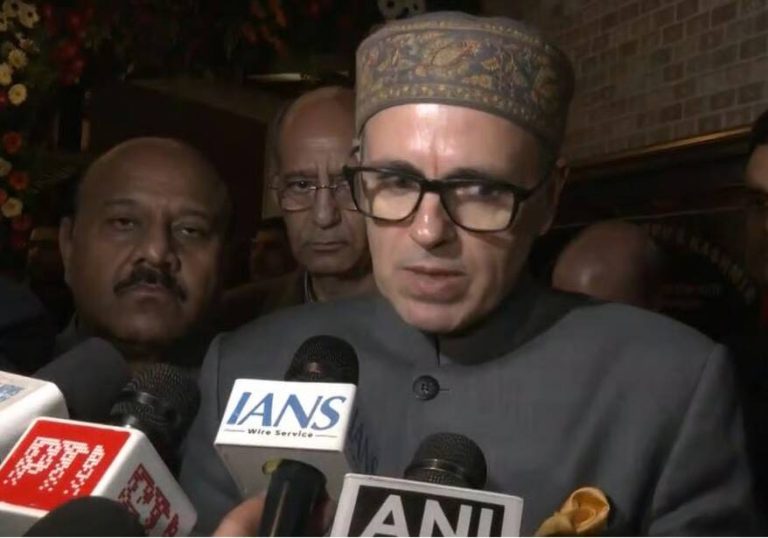
Those bursting crackers should be called ‘anti-national’: Maneka
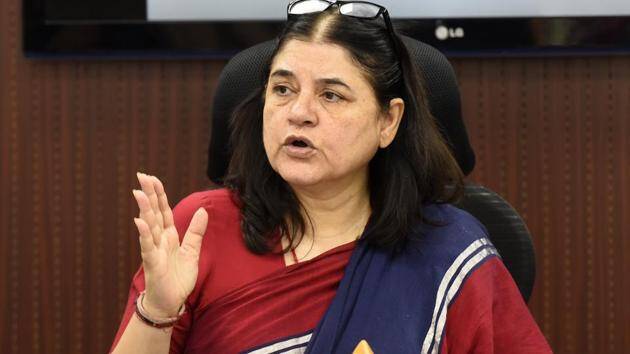
As the festive season is around the corner, the debate on firecrackers has once again gained momentum. With the increasing concerns about air pollution, especially in the national capital, New Delhi, the call for a ban on firecrackers has become louder. Recently, BJP leader Maneka Gandhi joined the chorus, advocating for a nationwide ban on firecrackers. According to her, the primary reason behind the deteriorating air quality in New Delhi is the bursting of firecrackers.
Gandhi’s statement came as a surprise to many, as it is not often that a prominent politician takes a strong stance against a tradition that is deeply ingrained in Indian culture. However, her concerns are not unfounded. The air quality in New Delhi has been a major concern for several years now, with the city consistently ranking among the most polluted cities in the world. The situation becomes particularly dire during the festive season, when the bursting of firecrackers releases large amounts of toxic pollutants into the air.
The numbers are staggering. According to Gandhi, firecrackers worth ₹800 crore are burst in just two nights, resulting in a significant deterioration of air quality. “If you will burst firecrackers worth ₹800 crore in two nights, then what will happen to the air?” she asked. The question is rhetorical, but it highlights the gravity of the situation. The air pollution caused by firecrackers is not just a minor issue; it has serious consequences for the health and well-being of citizens.
Gandhi’s suggestion that those who burst firecrackers should be branded as “anti-national” may seem extreme, but it underscores the seriousness of the issue. Air pollution is not just an environmental concern; it is also a public health crisis. The toxic pollutants released by firecrackers can cause a range of health problems, from respiratory issues to cardiovascular diseases. In a city like New Delhi, where the air quality is already poor, the bursting of firecrackers can have devastating consequences.
The call for a ban on firecrackers is not new. In recent years, several cities have implemented restrictions on the sale and use of firecrackers, with some even banning them altogether. However, the implementation of these bans has been patchy, and the enforcement has been lax. As a result, the problem of air pollution persists, and the citizens continue to suffer.
Gandhi’s statement has sparked a debate, with some arguing that a ban on firecrackers is an attack on Indian culture and tradition. However, this argument is flawed. While firecrackers are an integral part of Indian festivals, they are not the only way to celebrate. In fact, many cities and towns have successfully implemented alternative methods of celebration, such as lighting diyas or using eco-friendly firecrackers.
Moreover, the issue of air pollution is not just about firecrackers. It is a broader problem that requires a comprehensive solution. The government needs to take a holistic approach to address the issue, including implementing stricter regulations on industrial pollution, promoting the use of clean energy, and increasing public awareness about the importance of environmental protection.
In conclusion, Maneka Gandhi’s call for a nationwide ban on firecrackers is a timely reminder of the need to take urgent action to address the issue of air pollution. While the suggestion that those who burst firecrackers should be branded as “anti-national” may be extreme, it highlights the seriousness of the issue. The government needs to take a proactive approach to address the problem, and citizens need to be aware of the consequences of their actions. As we celebrate the festive season, let us remember that our actions have consequences, and let us strive to create a cleaner, healthier, and more sustainable environment for ourselves and future generations.
News Source: https://repository.inshorts.com/articles/en/PTI/05dfed30-2874-4e50-8c78-37383df29516
About the Author