Those bursting crackers should be called ‘anti-national’: Maneka
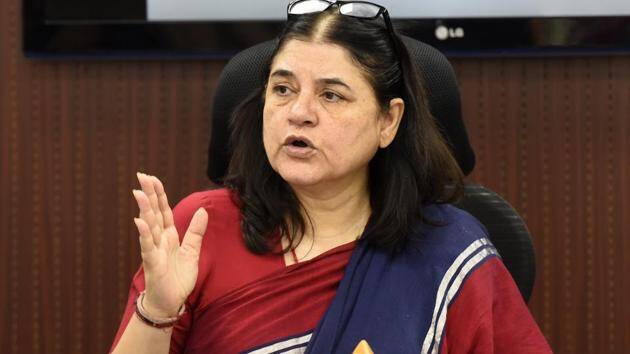
As the festive season approaches, the debate around firecrackers and their impact on the environment has once again gained momentum. BJP leader Maneka Gandhi has sparked a controversy by calling for a nationwide ban on firecrackers, citing the severe air pollution they cause in New Delhi. In a statement that has sent shockwaves across the nation, Gandhi asserted that those who burst firecrackers should be branded as “anti-national”.
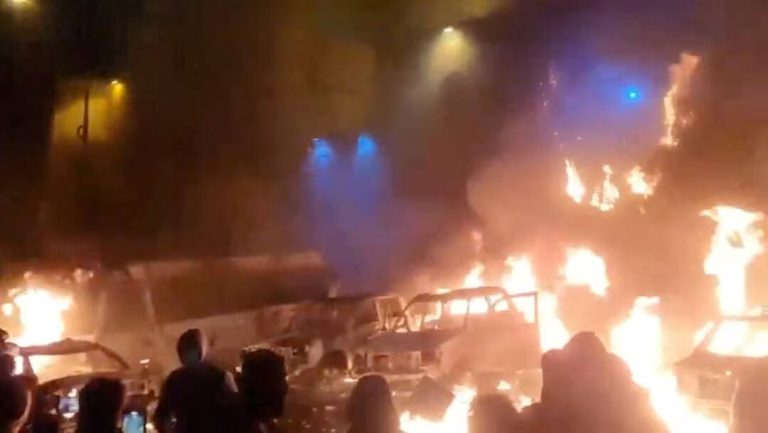
Gandhi’s statement comes at a time when the national capital is already grappling with hazardous air quality. The city’s air pollution levels have been a major concern for years, with the situation worsening during the festive season when firecrackers are burst in large numbers. According to Gandhi, the prime reason behind the air pollution in New Delhi is the bursting of firecrackers. “If you will burst firecrackers worth ₹800 crore in two nights, then what will happen to the air?” she questioned.
The BJP leader’s remarks have sparked a heated debate, with many supporting her call for a ban on firecrackers. The environmental impact of firecrackers is a well-documented fact, with studies showing that they release toxic chemicals and pollutants into the air, causing respiratory problems and other health issues. The noise pollution caused by firecrackers is also a significant concern, with many animals and birds getting stressed and disoriented due to the loud noises.
Gandhi’s statement that those who burst firecrackers should be called “anti-national” has, however, been met with criticism from some quarters. Many argue that such a statement is an overreaction and that firecrackers are an integral part of Indian festivals and traditions. They argue that a ban on firecrackers would be an attack on the country’s cultural heritage and that alternative solutions should be explored to mitigate the environmental impact of firecrackers.
However, Gandhi’s concern for the environment and public health is not unfounded. The air pollution in New Delhi has reached alarming levels, with the city’s residents struggling to breathe. The situation is particularly dire for children, the elderly, and those with pre-existing medical conditions. The economic costs of air pollution are also significant, with studies showing that it results in billions of dollars in losses each year.
In recent years, there has been a growing awareness about the environmental impact of firecrackers, with many cities and towns imposing restrictions on their use. Some states have also banned the sale and use of firecrackers, citing environmental and health concerns. However, the implementation of these bans has been patchy, and the use of firecrackers remains widespread.
Gandhi’s call for a nationwide ban on firecrackers is, therefore, a welcome move. It highlights the need for a comprehensive approach to address the environmental and health impacts of firecrackers. While some may argue that a ban on firecrackers is an extreme measure, it is essential to consider the long-term benefits of such a move. By banning firecrackers, we can significantly reduce the air pollution levels in our cities, improve public health, and mitigate the economic costs of pollution.
In conclusion, Maneka Gandhi’s statement that those bursting firecrackers should be called “anti-national” may have sparked a controversy, but it highlights the urgency of the situation. The environmental and health impacts of firecrackers are real, and it is essential that we take concrete steps to address them. A nationwide ban on firecrackers may be a radical solution, but it is one that warrants consideration. As we move forward, it is crucial that we prioritize the environment and public health over cultural and traditional practices that harm our planet.
News Source: https://repository.inshorts.com/articles/en/PTI/05dfed30-2874-4e50-8c78-37383df29516
About the Author