Those Bursting Crackers Should be Called ‘Anti-National’: Maneka
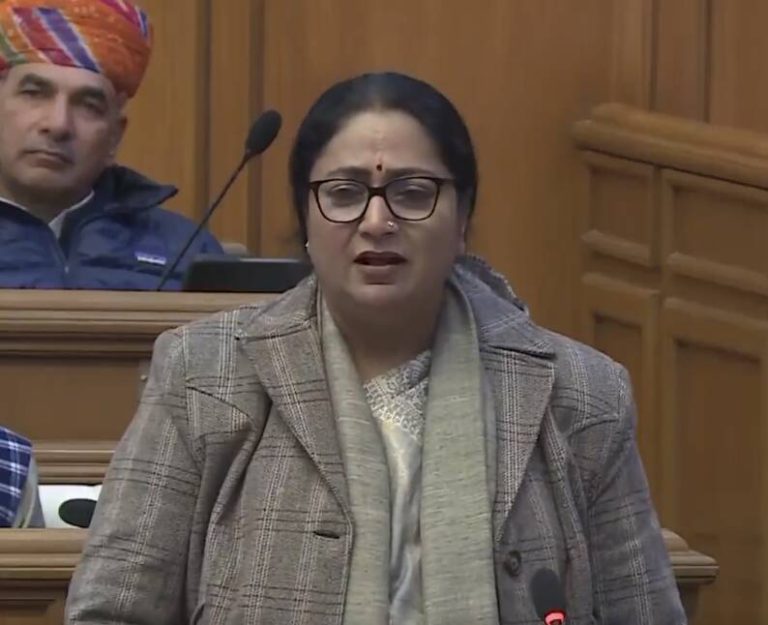
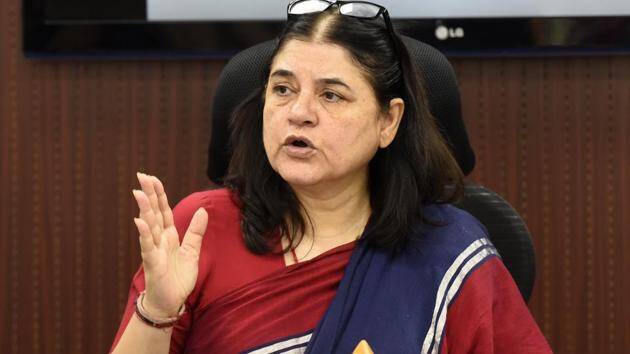
As the festive season approaches, the debate around firecrackers and their impact on the environment has once again gained momentum. BJP leader Maneka Gandhi has weighed in on the issue, calling for a nationwide ban on firecrackers and labeling those who burst them as “anti-national”. According to Gandhi, the primary reason behind the alarming levels of air pollution in New Delhi is the bursting of firecrackers, which she claims is a threat to the nation’s well-being.
Gandhi’s statement comes at a time when the national capital is struggling to breathe due to the hazardous levels of air pollution. The city’s air quality has been consistently ranked as one of the poorest in the world, with the Air Quality Index (AQI) often exceeding the “hazardous” category. The situation is particularly dire during the festive season, when the bursting of firecrackers releases massive amounts of pollutants into the air, further exacerbating the problem.
The BJP leader’s comments are not without merit. The bursting of firecrackers is a significant contributor to air pollution, with the combustion of fireworks releasing harmful pollutants such as particulate matter, carbon monoxide, and volatile organic compounds into the air. These pollutants can have severe health impacts, including respiratory problems, cardiovascular disease, and even cancer. Moreover, the economic costs of air pollution are substantial, with estimates suggesting that the annual cost of air pollution in India is a staggering ₹5 lakh crore.
Gandhi’s proposal for a nationwide ban on firecrackers is not a new one. Several cities and states have already implemented similar bans, with varying degrees of success. For instance, the Supreme Court has imposed restrictions on the sale and use of firecrackers in the national capital, while some states like Maharashtra and Odisha have banned the use of firecrackers altogether. However, the enforcement of these bans has been patchy, and the problem persists.
One of the primary challenges in implementing a ban on firecrackers is the cultural and social significance attached to them. Firecrackers have been an integral part of Indian festivals, particularly Diwali, for centuries. Many people view the bursting of firecrackers as an essential part of the festivities, and any attempt to ban them is seen as an attack on tradition and culture. However, Gandhi’s argument is that the health and well-being of citizens should take precedence over cultural practices.
Gandhi’s labeling of those who burst firecrackers as “anti-national” is a strong statement, and one that is likely to generate controversy. While it is true that the bursting of firecrackers is a threat to the nation’s health and well-being, it is also important to recognize that people’s attitudes towards firecrackers are often shaped by cultural and social factors. Rather than demonizing those who burst firecrackers, it may be more effective to educate them about the risks associated with firecrackers and promote alternative, eco-friendly ways of celebrating festivals.
In conclusion, Maneka Gandhi’s call for a nationwide ban on firecrackers is a timely and necessary intervention. The bursting of firecrackers is a significant contributor to air pollution, and the health and economic costs are substantial. While cultural and social factors must be taken into account, it is essential to prioritize the health and well-being of citizens. As Gandhi aptly put it, “If you will burst firecrackers worth ₹800 crore in two nights, then what will happen to the air?” It is time for us to rethink our attitudes towards firecrackers and adopt more sustainable and eco-friendly ways of celebrating our festivals.
Source: https://repository.inshorts.com/articles/en/PTI/05dfed30-2874-4e50-8c78-37383df29516
About the Author