T’gana Minister Slams Pawan for ‘Evil Eye’ Remark, Warns Film Ban
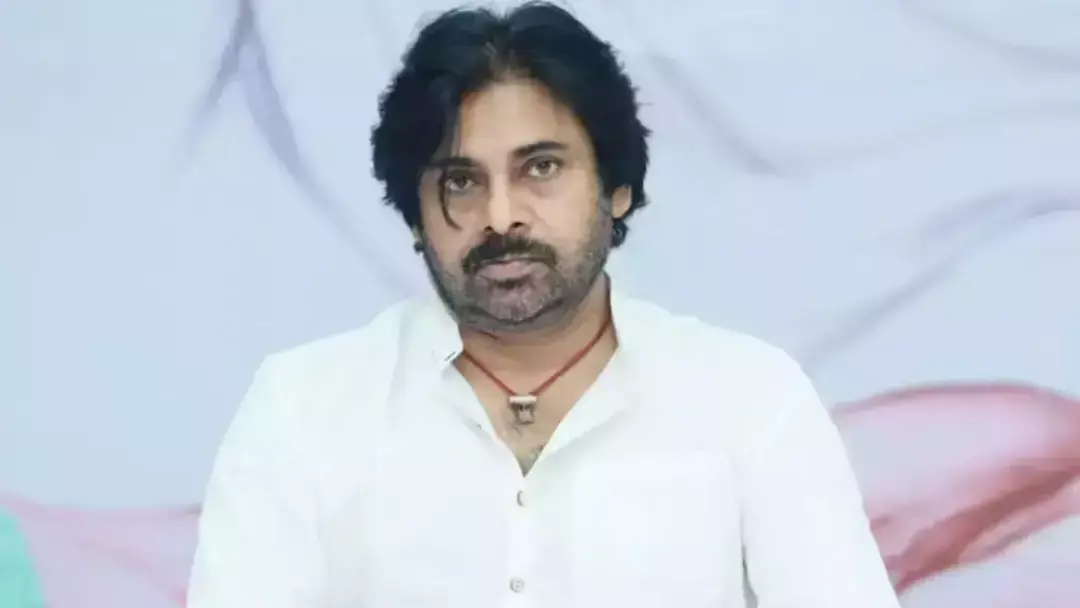
The world of politics and cinema often collide, and the latest controversy in the Indian state of Telangana is a prime example of this. Telangana Cinematography Minister Komatireddy Venkat Reddy has slammed Deputy Chief Minister and actor Pawan Kalyan for his recent comments on the dying coconut trees in the Konaseema region. Kalyan had attributed the decline of the coconut trees to “evil eye,” a statement that has sparked outrage and demands for an apology.
The incident began when Pawan Kalyan visited the Konaseema region, where he was apprised of the situation regarding the dying coconut trees. Instead of offering a solution or expressing concern, Kalyan reportedly said that the trees were dying due to “evil eye.” This remark has been widely criticized, with many accusing the actor-turned-politician of being insensitive and superstitious.
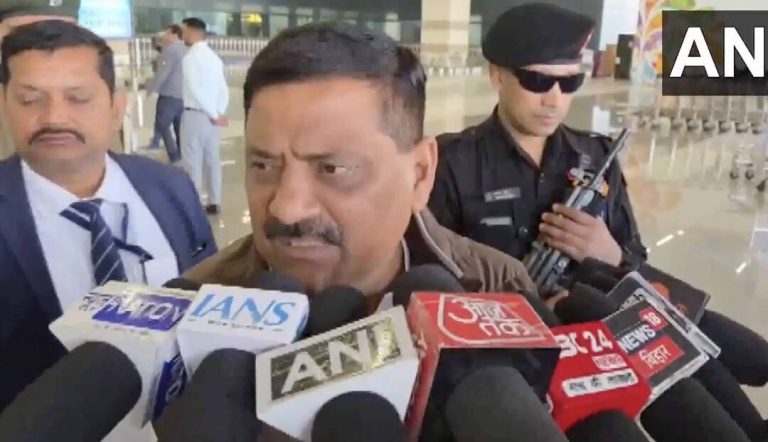
Minister Komatireddy Venkat Reddy was quick to respond to Kalyan’s comments, demanding an apology from the Deputy Chief Minister. Reddy warned that if Kalyan fails to apologize, his films will not be allowed to release in Telangana. The minister’s statement has sent shockwaves in the film industry, with many wondering if this will indeed lead to a ban on Kalyan’s movies.
The controversy has also sparked a debate on the role of politicians in addressing social and environmental issues. While some have defended Kalyan’s right to free speech, others have argued that as a public figure, he has a responsibility to be more thoughtful and informed in his comments. The fact that Kalyan is not only a politician but also a popular actor has added to the complexity of the issue, with many of his fans feeling torn between their loyalty to him and their disappointment with his remarks.
The warning issued by Minister Reddy has also raised questions about the limits of free speech and the power of the government to regulate artistic expression. While the minister has the authority to influence the release of films in Telangana, it is unclear whether a ban on Kalyan’s movies would be legally justifiable. The film industry is already reeling from the impact of the pandemic, and a ban on a prominent actor’s films could have significant economic and cultural consequences.
In response to the controversy, Pawan Kalyan has yet to issue a formal apology. His supporters have argued that his comments were taken out of context and that he was simply trying to offer a spiritual perspective on the issue. However, his critics argue that as a public figure, he has a responsibility to be more thoughtful and informed in his comments, especially when addressing sensitive issues like environmental degradation.
The incident has also highlighted the complex relationship between politics and cinema in India. Many actors and actresses have successfully transitioned into politics, and some have even used their cinematic fame to build a political career. However, this blending of the two worlds can often lead to conflicts and controversies, as seen in the current case.
As the controversy continues to unfold, it remains to be seen whether Pawan Kalyan will apologize for his comments and whether the Telangana government will indeed ban his films. The incident has sparked a wider debate on the role of politicians in addressing social and environmental issues and the limits of free speech in the public sphere.
In conclusion, the controversy surrounding Pawan Kalyan’s comments on the dying coconut trees in Konaseema has highlighted the complex and often fraught relationship between politics and cinema in India. While the incident has sparked outrage and demands for an apology, it has also raised important questions about the role of politicians in addressing social and environmental issues and the limits of free speech in the public sphere. As the situation continues to unfold, it will be interesting to see how Pawan Kalyan and the Telangana government respond to the controversy and what implications this may have for the film industry and beyond.
About the Author