T’gana minister slams Pawan for ‘evil eye’ remark, warns film ban
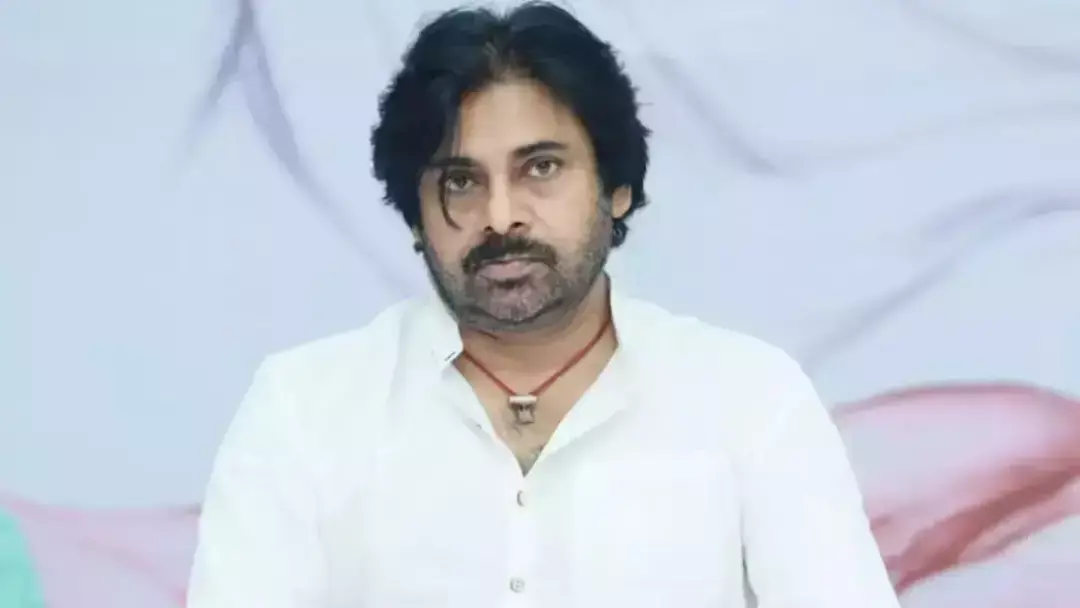
The world of Indian cinema is no stranger to controversy, and the latest incident involves Telugu actor and politician Pawan Kalyan. The Deputy Chief Minister of Andhra Pradesh has found himself in hot water after making a comment about the dying coconut trees in the Konaseema region. According to reports, Kalyan blamed the “evil eye” for the trees’ demise, sparking outrage among the people and the government of neighboring Telangana.
Telangana Cinematography Minister Komatireddy Venkat Reddy has taken strong exception to Kalyan’s remark, demanding an apology from the actor-politician. Reddy’s reaction is not surprising, given the significance of the coconut tree in the region’s ecosystem and economy. The minister’s warning is clear: if Pawan Kalyan fails to apologize, his films will not be screened in Telangana.
The controversy began when Pawan Kalyan visited the Konaseema region and made the comment about the “evil eye” being responsible for the dying coconut trees. The region is known for its lush coconut plantations, and the sudden decline of the trees has caused concern among the local population. While Kalyan’s intention might have been to offer a spiritual explanation for the phenomenon, his words have been perceived as insensitive and unscientific.
Minister Komatireddy Venkat Reddy has slammed Kalyan’s remark, saying that it is unbecoming of a responsible public figure. Reddy has pointed out that the dying coconut trees are a result of various environmental factors, including climate change, soil degradation, and pests. By blaming the “evil eye,” Kalyan has not only shown his ignorance of the issue but also insulted the intelligence of the people, Reddy alleged.
The minister’s demand for an apology is not just a matter of pride or ego; it is also a call for accountability. As a public figure, Pawan Kalyan has a responsibility to be informed and sensitive to the issues affecting the people. By making such a remark, Kalyan has not only let down his fans but also undermined the efforts of the government and environmental organizations working to address the issue.
The warning that Kalyan’s films will not be screened in Telangana if he fails to apologize is a significant one. The Telugu film industry is a major contributor to the state’s economy, and a ban on Kalyan’s films could have far-reaching consequences. The minister’s statement has sparked a debate about the power of cinema and the responsibility of celebrities in Indian society.
While some have defended Kalyan’s right to free speech, others have argued that his comment was irresponsible and deserving of criticism. The incident has also raised questions about the role of politicians in the film industry and the blurring of lines between entertainment and governance.
In recent years, the Indian film industry has witnessed a growing trend of actors and filmmakers taking on political roles or making politically charged statements. While this can be seen as a positive development, promoting civic engagement and social awareness, it also raises concerns about the potential for misinformation and polarization.
As the controversy surrounding Pawan Kalyan’s comment continues to unfold, it is essential to consider the broader implications of the incident. The intersection of politics and cinema is a complex and sensitive issue, requiring careful navigation and nuance. While celebrities have the right to express their opinions, they also have a responsibility to be informed, respectful, and sensitive to the diversity of perspectives and experiences.
In conclusion, the controversy surrounding Pawan Kalyan’s “evil eye” remark is a reminder of the power and responsibility that comes with being a public figure. As the Telangana government demands an apology from the actor-politician, it is essential to consider the broader implications of the incident and the need for accountability and sensitivity in public discourse.
The incident has also sparked a debate about the role of government in regulating the film industry and the limits of free speech. While the warning of a film ban may be seen as an extreme measure, it highlights the complexities of the issue and the need for a nuanced approach.
As the situation develops, it will be interesting to see how Pawan Kalyan responds to the criticism and whether he will apologize for his remark. One thing is certain, however: the incident has sparked a necessary conversation about the responsibility of public figures and the importance of informed, respectful, and sensitive discourse.
About the Author