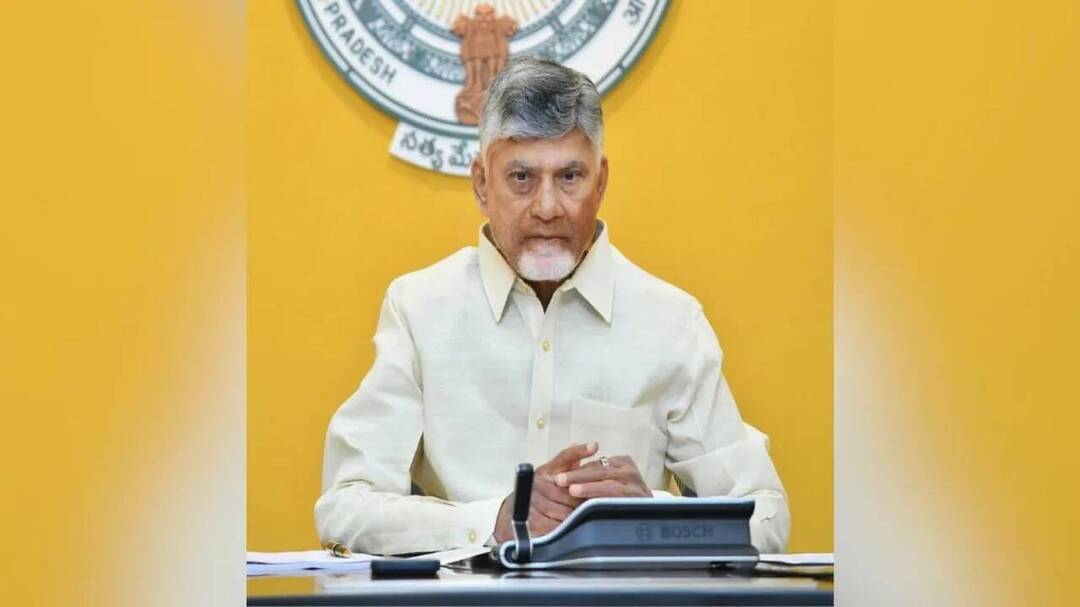
TDP in Andhra Pradesh approves allotment of 466 acres to SSEL
In a significant development, the Telugu Desam Party (TDP)-led government in Andhra Pradesh has approved the allotment of 466 acres in the Kadapa district to Shirdi Sai Electricals Limited (SSEL) for setting up a ₹4,914 crore greenfield manufacturing facility. This move has sparked widespread interest and debate, particularly given the TDP’s previous stance on SSEL. While in opposition, the TDP had labelled SSEL as a “benami” (front) company for the former Chief Minister, Y.S. Jagan Mohan Reddy, who is now the leader of the opposition in Andhra Pradesh.
The decision to grant the land to SSEL is seen as a U-turn by the TDP, which had earlier accused the company of being a front for the YSR Congress Party (YSRCP). The TDP had alleged that SSEL was set up to benefit the YSRCP and its leaders, and that the company’s dealings were not transparent. However, with the TDP now in power, it appears that the party has changed its stance on SSEL, and is willing to support the company’s plans to set up a manufacturing facility in the state.
The proposed manufacturing facility is expected to be a significant investment in the state, with a total outlay of ₹4,914 crore. The facility is expected to create thousands of jobs, both directly and indirectly, and will contribute to the state’s economic growth. The TDP government has been keen to attract investments to the state, and the approval of the land allotment to SSEL is seen as a major step in this direction.
The TDP’s decision to approve the land allotment to SSEL has been welcomed by the company, which has expressed its gratitude to the state government for its support. The company has stated that it will begin work on the manufacturing facility soon, and that it is committed to creating jobs and contributing to the state’s economic growth.
However, the opposition YSRCP has criticized the TDP’s decision, stating that it is a clear example of the party’s hypocrisy. The YSRCP has alleged that the TDP is supporting SSEL only because it is a front company for the YSRCP, and that the party is trying to benefit its own leaders and supporters. The YSRCP has also questioned the transparency of the land allotment process, and has demanded that the state government provide more information about the deal.
The controversy surrounding SSEL and the TDP’s decision to approve the land allotment has sparked a heated debate in the state. While some have welcomed the investment and the potential jobs that it will create, others have expressed concerns about the transparency of the deal and the potential benefits to the YSRCP and its leaders.
In the midst of this controversy, it is worth examining the background of SSEL and its plans for the manufacturing facility. SSEL is a private company that was set up in 2015, with the aim of manufacturing electrical equipment and providing related services. The company has stated that it plans to set up a state-of-the-art manufacturing facility in the Kadapa district, which will produce a range of electrical products, including transformers, switchgears, and cables.
The company has also stated that it will create thousands of jobs, both directly and indirectly, and that it will contribute to the state’s economic growth. SSEL has also committed to following all relevant laws and regulations, and to ensuring that its operations are transparent and accountable.
While the controversy surrounding SSEL and the TDP’s decision to approve the land allotment continues, it is clear that the proposed manufacturing facility has the potential to make a significant contribution to the state’s economy. The facility will create jobs, stimulate economic growth, and provide a boost to the local economy.
In conclusion, the TDP’s decision to approve the allotment of 466 acres to SSEL is a significant development that has sparked widespread interest and debate. While the opposition YSRCP has criticized the decision, citing concerns about transparency and the potential benefits to the YSRCP and its leaders, the TDP has stated that it is committed to supporting investments in the state and creating jobs.
As the controversy surrounding SSEL and the TDP’s decision continues, it is worth keeping a close eye on developments in the state. The proposed manufacturing facility has the potential to make a significant contribution to the state’s economy, and it will be interesting to see how the project progresses in the coming months.
About the Author