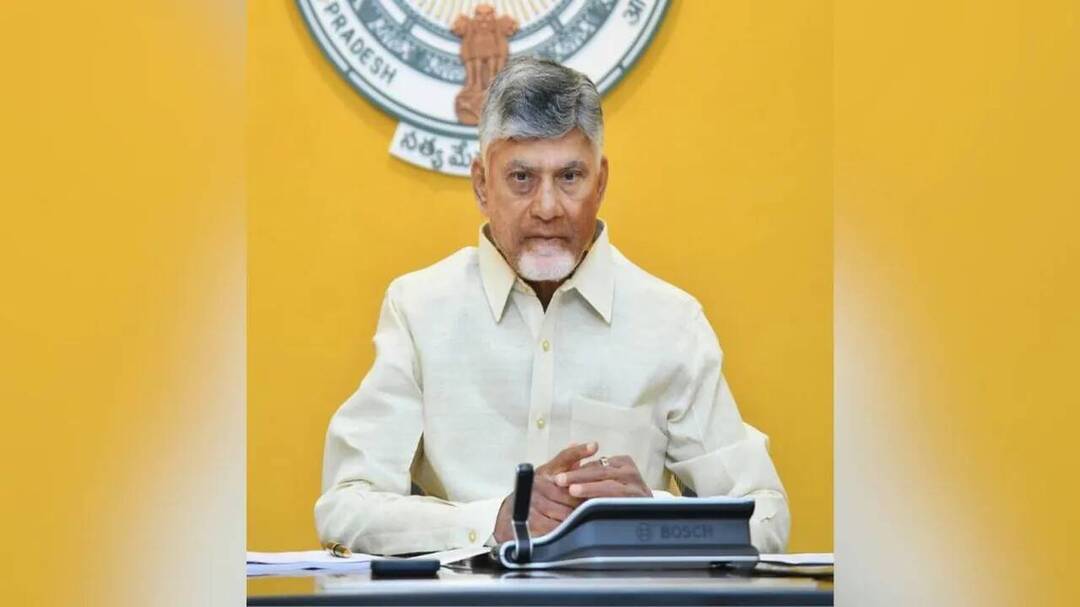
TDP in Andhra Pradesh approves allotment of 466 acres to SSEL
The Telugu Desam Party (TDP)-led government in Andhra Pradesh has made a significant decision, approving the allotment of 466 acres of land in the Kadapa district to Shirdi Sai Electricals Limited (SSEL). This land will be used to set up a greenfield manufacturing facility, which is estimated to cost a whopping ₹4,914 crore. The decision has raised eyebrows, as it marks a significant U-turn by the TDP, which had previously labelled SSEL as a “benami” (front) company for the former Chief Minister, YS Jagan Mohan Reddy, who is now the leader of the opposition YSR Congress Party.
The TDP’s change in stance has sparked controversy, with many questioning the motivations behind the decision. While in opposition, the TDP had accused SSEL of being a front company for YS Jagan Mohan Reddy, alleging that it was being used to launder money and accumulate wealth. However, now that the TDP is in power, it seems that the party has had a change of heart, and is willing to grant SSEL a large tract of land for its manufacturing facility.
The greenfield manufacturing facility that SSEL plans to set up in Kadapa will be a significant investment in the region, and is expected to create thousands of jobs. The facility will manufacture electrical equipment, including transformers, switchgears, and other related products. The project is expected to be completed in several phases, with the first phase expected to be operational within the next two years.
The decision to grant land to SSEL has been welcomed by the company, which has stated that it is committed to setting up the manufacturing facility and creating jobs in the region. The company has also stated that it will adhere to all environmental and social regulations, and will ensure that the facility is set up in a responsible and sustainable manner.
However, the opposition YSR Congress Party has criticized the TDP’s decision, stating that it is a clear case of double standards. The party has alleged that the TDP is trying to favor SSEL, which it had previously accused of being a front company for YS Jagan Mohan Reddy. The party has also questioned the transparency of the land allotment process, and has demanded that the government provide more information about the decision.
The controversy surrounding the land allotment to SSEL has also raised questions about the TDP’s stance on corruption and transparency. The party had come to power on a promise of providing clean and transparent governance, but the decision to grant land to SSEL has raised doubts about its commitment to these principles.
The TDP’s U-turn on SSEL has also sparked a debate about the role of politics in business decisions. The party’s change in stance has been seen as a clear example of how political considerations can influence business decisions, and how companies can benefit from having connections with the ruling party.
In conclusion, the TDP’s decision to grant 466 acres of land to SSEL has sparked controversy and raised questions about the party’s stance on corruption and transparency. While the decision is expected to bring in significant investment and create jobs in the region, it has also highlighted the need for greater transparency and accountability in government decision-making. As the debate surrounding the land allotment continues, it remains to be seen how the TDP will respond to the criticism and allegations of favoritism.
The decision to grant land to SSEL is also expected to have significant implications for the state’s economy and industrial development. The manufacturing facility is expected to attract other companies to the region, and could potentially create a new industrial hub in Kadapa. However, the controversy surrounding the land allotment has also raised questions about the long-term sustainability of the project, and whether it will be able to withstand the scrutiny and criticism that it has faced.
As the situation continues to unfold, it is clear that the TDP’s decision to grant land to SSEL has sparked a significant controversy, and has raised important questions about the role of politics in business decisions. The party’s U-turn on SSEL has also highlighted the need for greater transparency and accountability in government decision-making, and has sparked a debate about the implications of the decision for the state’s economy and industrial development.
About the Author