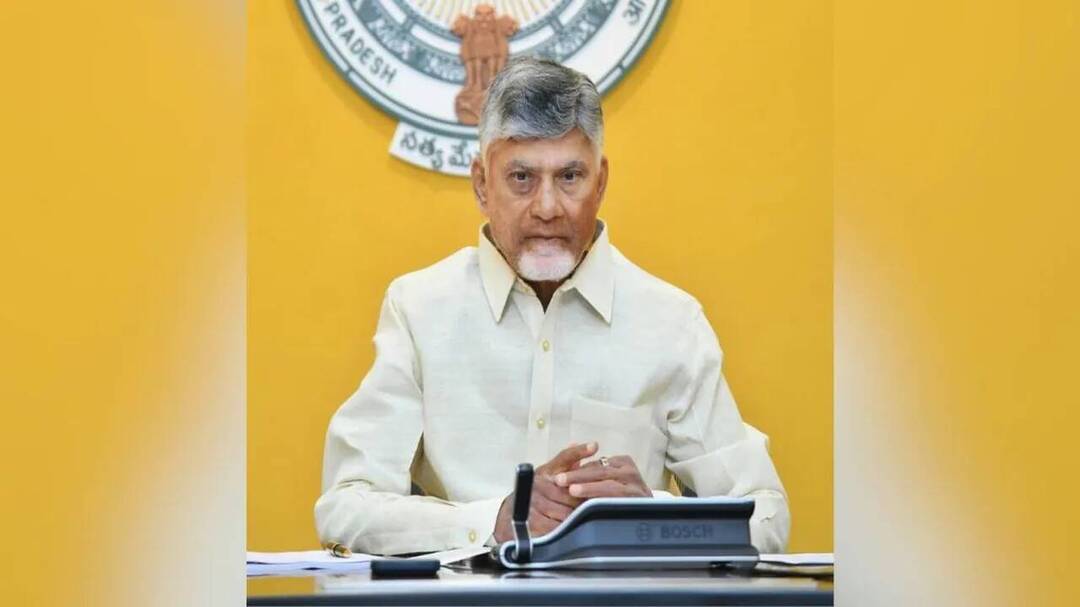
TDP in Andhra Pradesh approves allotment of 466 acres to SSEL
The Telugu Desam Party (TDP)-led government in Andhra Pradesh has taken a significant decision by approving the allotment of 466 acres in the Kadapa district to Shirdi Sai Electricals Limited (SSEL) for setting up a ₹4,914 crore greenfield manufacturing facility. This move has sparked interest and debate, particularly given the TDP’s previous stance on SSEL. While in opposition, the TDP had labeled SSEL as a “benami” (front) company for the then-Chief Minister, Y.S. Jagan Mohan Reddy, who is now the Chief Minister of Andhra Pradesh, leading the Yuvajana Sramika Rythu Congress Party (YSRCP) government.
The decision to grant the land to SSEL is seen as a U-turn by the TDP, which had previously been critical of the company and its alleged connections to the YSRCP. The TDP had accused SSEL of being a front company for the YSRCP, and had questioned the legitimacy of the company’s business dealings. However, with the TDP now in power, the party has taken a seemingly contradictory stance by approving the allotment of land to SSEL.
The greenfield manufacturing facility that SSEL plans to set up in the Kadapa district is expected to be a significant investment in the region, with a total cost of ₹4,914 crore. The facility is likely to create new job opportunities and stimulate economic growth in the area. The decision to approve the land allotment is likely to be seen as a positive move by the TDP government, which has been seeking to attract new investments and promote economic development in the state.
However, the TDP’s change of heart on SSEL has raised questions about the party’s motivations and the potential implications of the decision. Critics have argued that the TDP’s earlier allegations against SSEL were politically motivated, and that the party’s current stance is an admission that those allegations were unfounded. Others have suggested that the TDP’s decision to approve the land allotment may be an attempt to curry favor with the YSRCP, or to gain an advantage in the state’s political landscape.
The YSRCP has welcomed the TDP’s decision to approve the land allotment, with party leaders suggesting that the move is a vindication of their stance on SSEL. The YSRCP has consistently maintained that SSEL is a legitimate business enterprise, and that the company’s plans to set up a manufacturing facility in the Kadapa district will bring significant benefits to the region.
The controversy surrounding SSEL and the TDP’s changing stance on the company has highlighted the complexities of politics in Andhra Pradesh. The state has a long history of political rivalries and alliances, and the TDP’s decision to approve the land allotment to SSEL is likely to be seen as a significant development in the state’s political landscape.
In the coming months and years, it will be interesting to see how the TDP’s decision to approve the land allotment to SSEL plays out. Will the move be seen as a positive development for the state’s economy, or will it be viewed as a cynical attempt to gain political advantage? Only time will tell, but one thing is certain – the decision to approve the land allotment to SSEL has significant implications for the future of Andhra Pradesh.
The TDP’s approval of the land allotment to SSEL is also likely to have implications for the company’s future plans and operations. With the land allotment in place, SSEL can now proceed with its plans to set up the greenfield manufacturing facility in the Kadapa district. The company’s plans are expected to bring significant investment and job opportunities to the region, and will likely be seen as a major boost to the local economy.
In conclusion, the TDP’s decision to approve the allotment of 466 acres to SSEL in the Kadapa district is a significant development in the state’s political landscape. The move has sparked debate and controversy, particularly given the TDP’s previous stance on SSEL. However, the decision is also likely to have positive implications for the state’s economy, and will bring significant investment and job opportunities to the region. As the situation continues to unfold, it will be interesting to see how the TDP’s decision plays out, and what implications it will have for the future of Andhra Pradesh.
About the Author