Tata Group donates ₹758 crore to BJP, weeks after approval for semiconductor units: Report
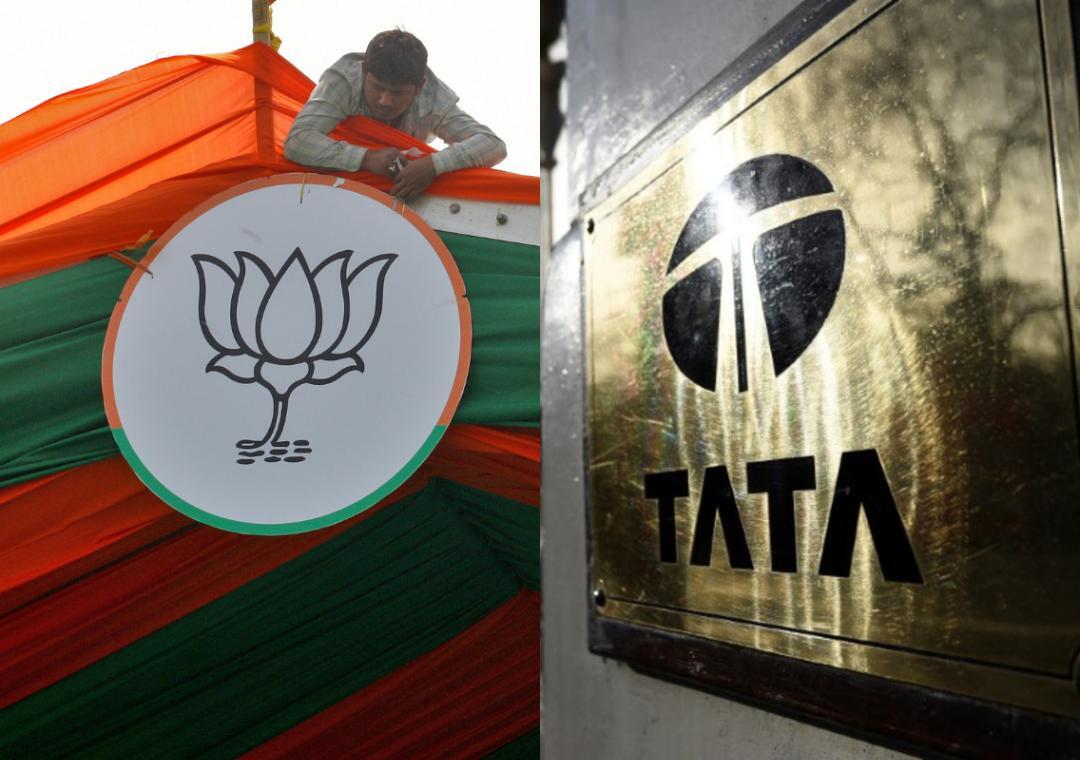
In a shocking revelation, the Tata Group, one of India’s largest conglomerates, has been reported to have donated a staggering ₹758 crore to the Bharatiya Janata Party (BJP) in April 2024. This massive donation comes just weeks after the group received approval for subsidies worth ₹44,000 crore for two of its semiconductor units. The donations, made just days before the 2024 Lok Sabha elections, have raised eyebrows and sparked concerns about the close ties between corporate giants and political parties in India.
According to reports, the donations accounted for nearly 83% of the group’s total contributions, with the Congress party receiving a mere 8.4%. The donations were sourced from 15 different Tata companies, highlighting the vast reach and influence of the conglomerate. The sheer scale of the donation has led to questions about the potential quid pro quo and the impact of such large-scale corporate donations on the country’s electoral landscape.
The Tata Group’s semiconductor units, which received the massive subsidies, are expected to play a crucial role in India’s growing electronics manufacturing sector. The subsidies, approved by the government, are aimed at promoting the development of the semiconductor industry in India and making the country a hub for electronics manufacturing. However, the timing of the donations has raised concerns about the potential conflict of interest and the undue influence of corporate giants on government policies.
The close ties between the Tata Group and the BJP have been well-documented in the past. The group has been a long-time supporter of the party, and its leaders have been known to have close relationships with top BJP leaders. However, the scale of the recent donations has taken many by surprise, and has sparked concerns about the potential impact on the country’s electoral system.
The donations have also highlighted the lack of transparency in India’s electoral funding laws. Despite efforts to increase transparency and accountability in electoral funding, large-scale donations from corporate giants continue to dominate the landscape. The fact that the donations were made just days before the elections has raised concerns about the potential impact on the outcome of the polls.
The opposition parties have been quick to criticize the donations, with many accusing the BJP of being in the pocket of corporate giants. The Congress party, which received a mere 8.4% of the total donations, has accused the BJP of using corporate donations to influence the outcome of the elections. Other opposition parties have also joined in, demanding greater transparency and accountability in electoral funding.
The Tata Group has refused to comment on the donations, citing confidentiality agreements with the parties. However, the group has maintained that its donations are made in accordance with the law and are aimed at promoting the development of the country. The BJP has also refused to comment on the donations, stating that the party’s electoral funding is transparent and in accordance with the law.
As the controversy surrounding the donations continues to grow, it remains to be seen how the situation will unfold. The donations have sparked a heated debate about the role of corporate giants in India’s electoral landscape, and the need for greater transparency and accountability in electoral funding. As the country moves forward, it is essential that the government and regulatory bodies take steps to ensure that the electoral system is fair, transparent, and free from the undue influence of corporate giants.
In conclusion, the Tata Group’s donation of ₹758 crore to the BJP has sparked a major controversy, highlighting the close ties between corporate giants and political parties in India. The donations, made just weeks after the group received approval for subsidies worth ₹44,000 crore, have raised concerns about the potential quid pro quo and the impact of such large-scale corporate donations on the country’s electoral landscape. As the debate continues to grow, it is essential that the government and regulatory bodies take steps to ensure that the electoral system is fair, transparent, and free from the undue influence of corporate giants.
About the Author