Tata Group donates ₹758 crore to BJP, weeks after approval for semiconductor units: Report
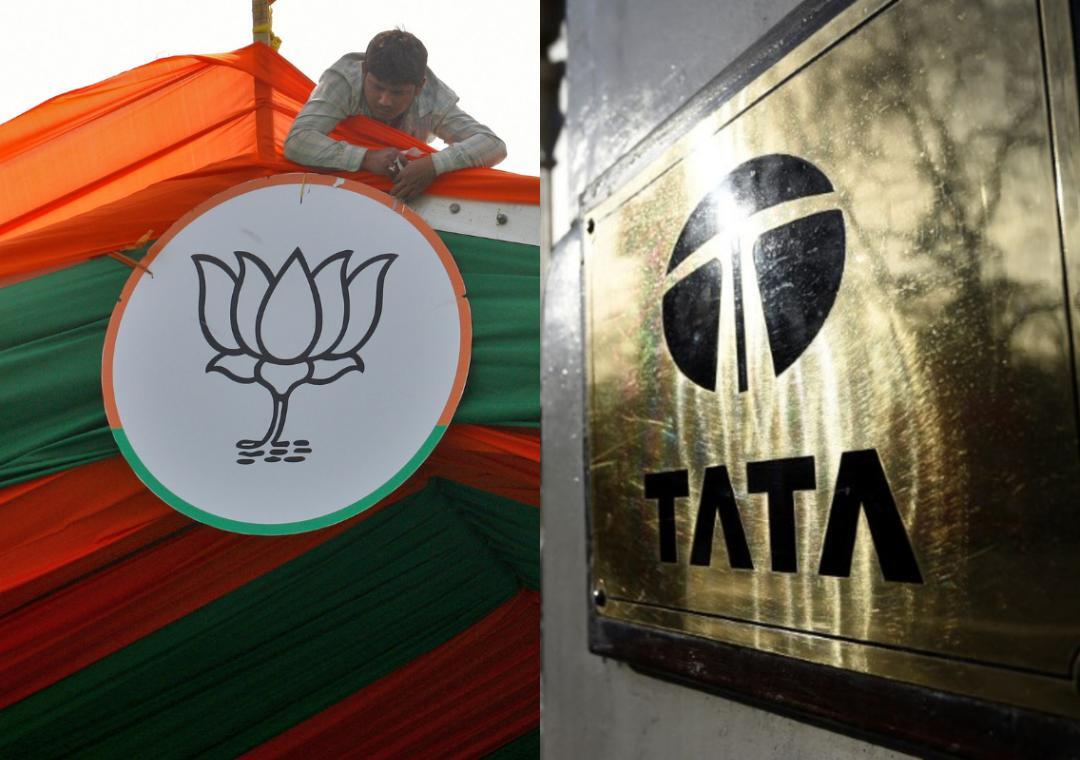
In a shocking revelation, the Tata Group has been reported to have donated a staggering ₹758 crore to the Bharatiya Janata Party (BJP) in April 2024. This massive donation comes just weeks after the conglomerate received approval for subsidies worth ₹44,000 crore for two of its semiconductor units. The timing of the donation has raised eyebrows, as it coincides with the run-up to the 2024 Lok Sabha elections. According to reports, the donations made by the Tata Group accounted for nearly 83% of the group’s total contributions, with the Congress party receiving a meager 8.4%.
The donations were sourced from 15 different Tata companies, highlighting the extensive reach and influence of the conglomerate. The sheer scale of the donation has sparked concerns about the potential implications of such large-scale corporate donations on the country’s electoral process. The fact that the donation was made just weeks after the approval for subsidies for the semiconductor units has led to allegations of a quid pro quo arrangement between the Tata Group and the ruling party.
The semiconductor units in question are part of the Indian government’s efforts to promote domestic manufacturing and reduce dependence on foreign imports. The subsidies approved for the Tata Group’s semiconductor units are part of a larger initiative to incentivize companies to set up manufacturing facilities in the country. However, the timing of the donation has raised questions about the independence of the decision-making process and the potential for undue influence by corporate interests.
The Tata Group’s donation to the BJP is not an isolated incident. Corporate donations have been a longstanding feature of Indian politics, with many companies donating large sums to political parties. However, the scale and timing of the Tata Group’s donation have sparked concerns about the potential for corporate influence on the electoral process. The fact that the donation was made just weeks before the 2024 Lok Sabha elections has led to allegations that the company is attempting to curry favor with the ruling party.
The Indian government has implemented various measures to promote transparency in corporate donations, including the requirement for companies to disclose their political contributions. However, the effectiveness of these measures has been questioned, with many companies finding ways to circumvent disclosure requirements. The Tata Group’s donation to the BJP has highlighted the need for greater transparency and accountability in corporate donations.
The implications of the Tata Group’s donation to the BJP are far-reaching. The fact that the donation accounted for nearly 83% of the group’s total contributions has raised concerns about the potential for undue influence by the company on the ruling party. The donation has also sparked concerns about the potential for favoritism and crony capitalism, with allegations that the company is attempting to use its influence to secure favorable treatment from the government.
In conclusion, the Tata Group’s donation of ₹758 crore to the BJP has sparked concerns about the potential implications of large-scale corporate donations on the country’s electoral process. The timing of the donation, just weeks after the approval for subsidies for the company’s semiconductor units, has raised allegations of a quid pro quo arrangement between the company and the ruling party. The need for greater transparency and accountability in corporate donations has never been more pressing, and it is essential that the Indian government takes steps to address these concerns.
The donation has also raised questions about the independence of the decision-making process and the potential for undue influence by corporate interests. The fact that the donation was made just weeks before the 2024 Lok Sabha elections has led to allegations that the company is attempting to curry favor with the ruling party. As the country prepares for the elections, it is essential that the electoral process is free from the influence of corporate interests and that the independence of the decision-making process is maintained.
As the news of the donation continues to make headlines, it remains to be seen how the Indian government will respond to the allegations of corporate influence on the electoral process. The government must take steps to address the concerns about transparency and accountability in corporate donations and ensure that the electoral process is free from the influence of corporate interests.
About the Author