Somebody has to be accountable: SC on obscene content online
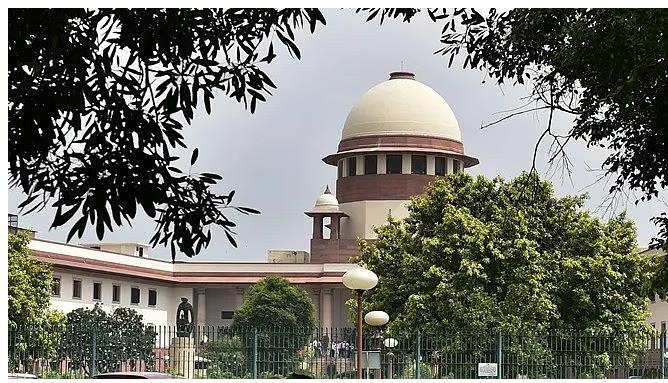
The Supreme Court of India has recently emphasized the need for a regulatory body to oversee and manage obscene, offensive, or illegal content on online platforms. The court’s statement comes at a time when the internet and social media have become an integral part of our lives, and the spread of inappropriate content has become a significant concern. Chief Justice Surya Kant, while hearing a case related to online content, stressed that somebody has to be accountable for the content that is being published and shared online.
The Chief Justice’s statement, “So I create my own channel, I am not accountable to anyone…somebody has to be accountable!” highlights the lack of accountability and regulation in the online space. With the rise of social media and online platforms, anyone can create and share content, which can sometimes be obscene, offensive, or even illegal. The court’s concern is that there is no mechanism in place to regulate and monitor this content, which can have serious consequences.
The Supreme Court also suggested that online platforms should provide warnings or disclaimers before displaying content that may be considered adult or objectionable. “Suppose there’s a programme, if it has adult content…some warning in advance must be there,” Chief Justice Kant added. This proposal is aimed at protecting users, especially children and minors, from accessing inappropriate content.
The need for a regulatory body to oversee online content is not a new concept. Many countries have already established such bodies to regulate and monitor online content. In India, the Information Technology Act, 2000, and the Information Technology (Intermediary Guidelines and Digital Media Ethics Code) Rules, 2021, provide a framework for regulating online content. However, the implementation and enforcement of these regulations have been inadequate, leading to the proliferation of obscene and offensive content online.
The Supreme Court’s emphasis on the need for a “neutral, independent and autonomous” body to regulate online content is significant. Such a body would be responsible for monitoring and regulating online content, ensuring that it is not obscene, offensive, or illegal. This would require the body to have the power to take down content that violates these norms, as well as to impose penalties on those who create and share such content.
The creation of such a regulatory body would also require the cooperation of online platforms, social media companies, and other stakeholders. These companies would need to work with the regulatory body to ensure that their platforms are free from obscene and offensive content. This could involve implementing algorithms and other technical measures to detect and remove such content, as well as providing warnings and disclaimers to users.
The Supreme Court’s statement has significant implications for online platforms and social media companies. These companies would need to take responsibility for the content that is shared on their platforms and ensure that it is not obscene, offensive, or illegal. This could involve investing in technology and human resources to monitor and regulate content, as well as cooperating with regulatory bodies to ensure compliance with laws and regulations.
In conclusion, the Supreme Court’s emphasis on the need for a regulatory body to oversee online content is a welcome step. The creation of such a body would help to ensure that online platforms are free from obscene and offensive content, and that those who create and share such content are held accountable. As the Chief Justice said, “somebody has to be accountable” for the content that is being published and shared online. It is time for online platforms, social media companies, and other stakeholders to take responsibility for the content that is shared on their platforms and to work with regulatory bodies to ensure that the online space is safe and respectful for all users.
About the Author