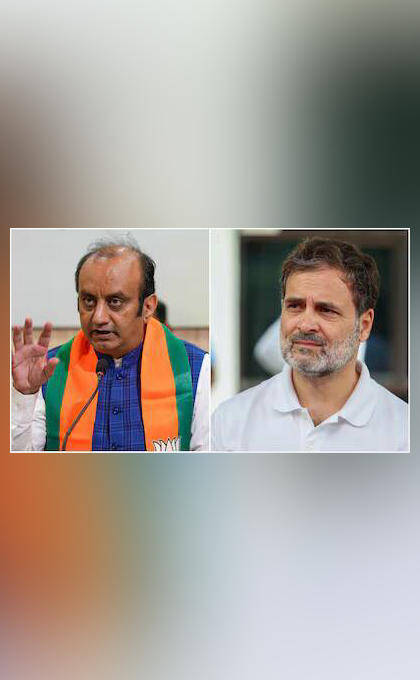
Rahul’s Vietnam visit will be as ‘guest of anti-India people’: BJP
The Bharatiya Janata Party (BJP) has launched a scathing attack on Congress leader Rahul Gandhi, alleging that his recent visit to Vietnam is as a “guest of some anti-India people”. This comes on the heels of Gandhi’s return from a trip to Germany, where the BJP claimed he met with “enemies of India” and made anti-India statements. The BJP’s criticism of Gandhi’s foreign visits has sparked a heated debate about the role of opposition leaders in promoting India’s interests abroad.
BJP leader Sudhanshu Trivedi was quoted as saying that Gandhi’s visit to Vietnam is a clear indication of his intention to “spew venom” against India on foreign soil. Trivedi alleged that Gandhi has a habit of traveling abroad to badmouth India and its government, which is unacceptable for a leader of his stature. The BJP leader claimed that Gandhi’s actions are a betrayal of the trust placed in him by the people of India, and that he is compromising the country’s interests for personal gains.
The BJP’s allegations against Gandhi are not new. The party has consistently criticized the Congress leader for his statements on India’s handling of various issues, including the economy, national security, and foreign policy. The BJP has accused Gandhi of being a “professional pessimist” who always looks for opportunities to criticize the government and undermine its efforts to promote India’s interests abroad.
Gandhi’s visit to Germany was widely covered in the media, with many outlets reporting on his meetings with various leaders and his statements on India’s political landscape. The BJP, however, was quick to seize on certain statements made by Gandhi, which they claimed were anti-India and reflected his “negative” mindset. The party alleged that Gandhi met with “enemies of India” during his visit, although it did not provide any evidence to support this claim.
The BJP’s criticism of Gandhi’s foreign visits has raised questions about the role of opposition leaders in promoting India’s interests abroad. While it is true that opposition leaders have a responsibility to hold the government accountable for its actions, they also have a duty to promote India’s interests and project a positive image of the country abroad. The BJP’s allegations against Gandhi suggest that he has failed to fulfill this duty, and that his actions are detrimental to India’s reputation and interests.
However, it is also important to consider the context of Gandhi’s statements and the audience he is addressing. As an opposition leader, Gandhi has a responsibility to critique the government’s policies and highlight the issues that affect the people of India. His statements abroad may be seen as an attempt to build international support for the opposition’s cause and to pressure the government into taking action on certain issues.
The BJP’s allegations against Gandhi also reflect a deeper tension between the two parties over issues of nationalism and patriotism. The BJP has long positioned itself as a champion of Indian nationalism, and has accused the Congress and other opposition parties of being “anti-national” and “anti-India”. This rhetoric has been used to great effect by the BJP, which has managed to mobilize significant support among Indians who feel that the party is best equipped to defend the country’s interests and promote its values.
In conclusion, the BJP’s allegations against Rahul Gandhi’s visit to Vietnam as a “guest of anti-India people” reflect a deeper tension between the two parties over issues of nationalism and patriotism. While the BJP has accused Gandhi of being a “professional pessimist” who always looks for opportunities to criticize the government, the Congress leader has a responsibility to hold the government accountable for its actions and to promote India’s interests abroad. As the debate over Gandhi’s foreign visits continues, it is essential to consider the context of his statements and the audience he is addressing, rather than simply accepting the BJP’s allegations at face value.
The controversy surrounding Gandhi’s visit to Vietnam is a reminder that the role of opposition leaders in promoting India’s interests abroad is complex and multifaceted. While they have a duty to promote India’s interests and project a positive image of the country, they also have a responsibility to critique the government’s policies and highlight the issues that affect the people of India. As the BJP and the Congress continue to spar over issues of nationalism and patriotism, it is essential to have a nuanced and informed debate about the role of opposition leaders in promoting India’s interests abroad.
News Source: https://repository.inshorts.com/articles/en/PTI/2ea66af0-d391-4b15-b095-5b63f4789282
About the Author