Prez rejects WB govt’s Bill to make CM chancellor of universities
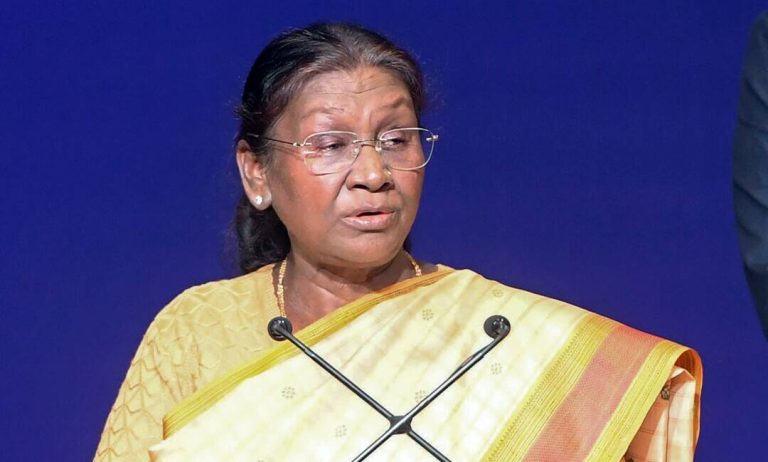
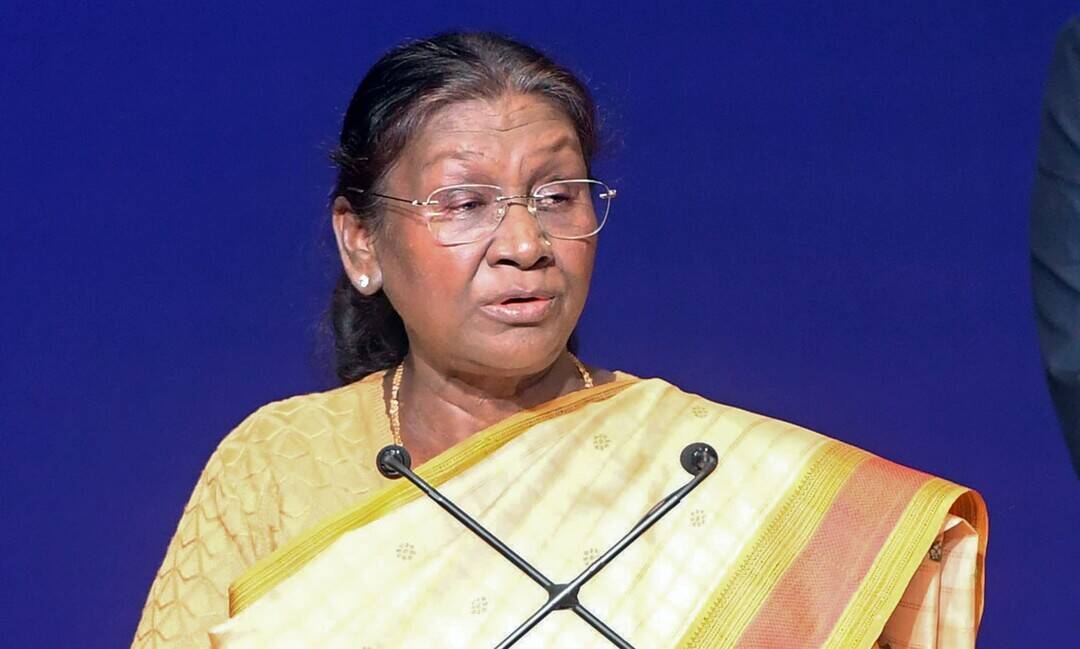
In a significant development, President Droupadi Murmu has rejected the West Bengal University Laws (Amendment) Bill, 2022, which aimed to replace the Governor with the Chief Minister as the Chancellor of all state-run universities. The move is seen as a major setback for the Mamata Banerjee-led Trinamool Congress government in West Bengal, which had been pushing for the amendment. The Bill had been reserved by Governor Dr CV Ananda Bose for the President’s consideration in April 2024, and the President’s decision has been widely anticipated.
The West Bengal University Laws (Amendment) Bill, 2022, had proposed to amend the existing laws governing state-run universities in West Bengal, with the primary objective of replacing the Governor with the Chief Minister as the Chancellor of these universities. The move was seen as an attempt by the state government to exert greater control over the education system in the state. However, the Bill had faced stiff opposition from various quarters, including the Bharatiya Janata Party (BJP) and other critics, who had raised concerns about the potential for political interference in the education system.
The BJP and other critics had argued that the amendment would lead to politicization of the education system, with the Chief Minister, who is also the head of the ruling party, having undue influence over the universities. They had also pointed out that the Governor, as the Chancellor, had a neutral and apolitical role, which was essential for maintaining the autonomy and independence of the universities. The critics had further argued that the amendment would undermine the academic freedom and autonomy of the universities, and would have far-reaching consequences for the education system in the state.
The President’s decision to reject the Bill has been welcomed by the BJP and other critics, who had been opposing the amendment. They have hailed the decision as a victory for the autonomy and independence of the universities, and have expressed relief that the education system in the state would not be politicized. The decision is also seen as a major setback for the Trinamool Congress government, which had been pushing for the amendment as part of its efforts to consolidate power and control over the state.
The rejection of the Bill has also sparked a debate about the role of the Governor and the Chief Minister in the education system. While the Governor has a neutral and apolitical role, the Chief Minister, as the head of the ruling party, has a clear political agenda. The debate has highlighted the need for a neutral and independent authority to oversee the education system, and has raised questions about the potential for political interference in the system.
In recent years, there have been several instances of political interference in the education system in West Bengal, with the ruling party seeking to exert control over the universities and colleges. The instances have included the appointment of party loyalists as vice-chancellors and professors, and the introduction of party ideology into the curriculum. The opposition parties have accused the ruling party of politicizing the education system, and have demanded that the government maintain the autonomy and independence of the universities.
The President’s decision to reject the Bill has also highlighted the importance of the Governor’s role in the state. The Governor, as the representative of the Central government, has a crucial role in maintaining the balance of power in the state and ensuring that the state government does not overstep its authority. The Governor’s decision to reserve the Bill for the President’s consideration had been seen as a significant move, and the President’s decision to reject the Bill has reinforced the importance of the Governor’s role.
In conclusion, the President’s decision to reject the West Bengal University Laws (Amendment) Bill, 2022, is a significant development that has far-reaching implications for the education system in West Bengal. The decision has been welcomed by the BJP and other critics, who had been opposing the amendment, and has been seen as a major setback for the Trinamool Congress government. The debate about the role of the Governor and the Chief Minister in the education system has highlighted the need for a neutral and independent authority to oversee the system, and has raised questions about the potential for political interference in the system.
The decision is also a reminder of the importance of maintaining the autonomy and independence of the universities, and of ensuring that the education system is free from political interference. The President’s decision has reinforced the importance of the Governor’s role in the state, and has highlighted the need for a balanced and nuanced approach to governance.
As the debate about the education system in West Bengal continues, it is essential to ensure that the autonomy and independence of the universities are maintained, and that the system is free from political interference. The President’s decision to reject the Bill is a significant step in this direction, and it is hoped that the state government will take a nuanced and balanced approach to governance, and ensure that the education system is allowed to function independently and autonomously.
News Source: https://x.com/airnewsalerts/status/2000530778275618943
About the Author