Prez rejects WB govt’s Bill to make CM chancellor of universities
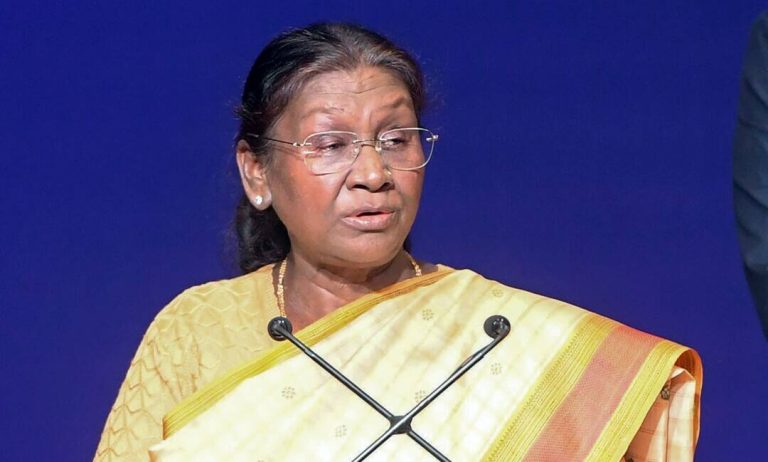
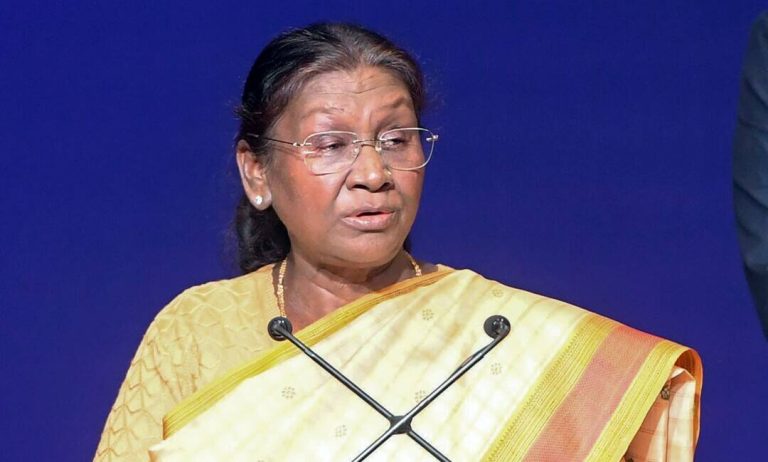
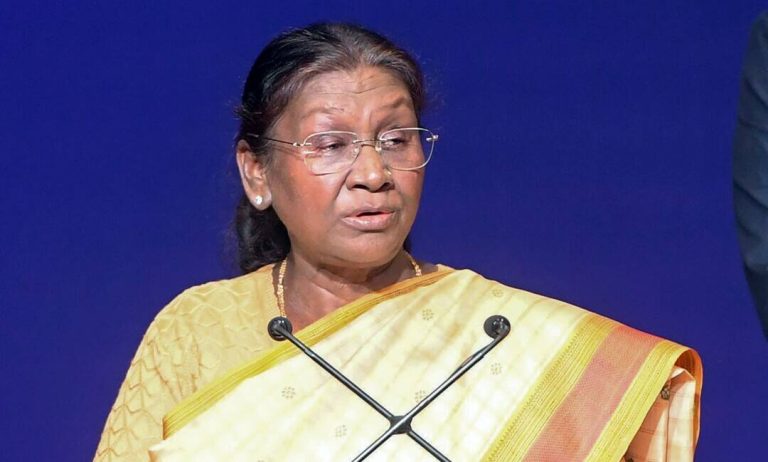
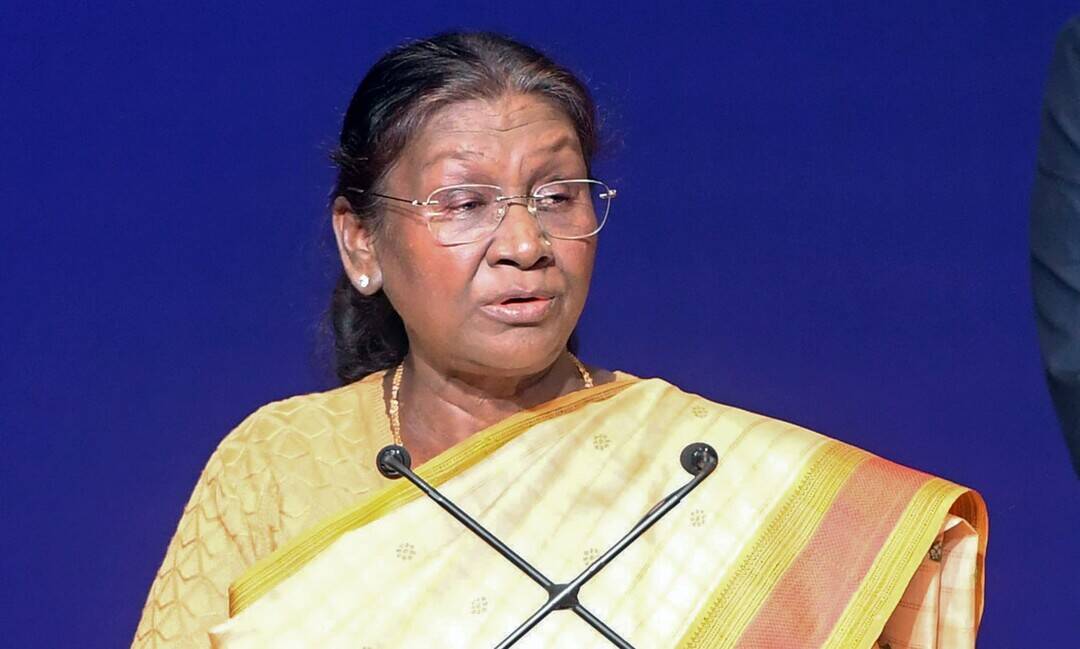
In a significant development, President Droupadi Murmu has rejected the West Bengal University Laws (Amendment) Bill, 2022, which aimed to replace the Governor with the Chief Minister as the Chancellor of all state-run universities. This move has sparked a debate about the role of politics in the education system and the potential implications of such a change. The bill, which was reserved by Governor Dr CV Ananda Bose for the President’s consideration in April 2024, has been a topic of controversy, with the BJP and other critics raising concerns about the potential for political interference in the education system.
The West Bengal University Laws (Amendment) Bill, 2022, was introduced by the West Bengal government with the aim of making the Chief Minister the Chancellor of all state-run universities. The bill proposed to amend the existing laws governing universities in the state, which currently designate the Governor as the Chancellor. The move was seen as an attempt by the state government to consolidate its control over the education system and to reduce the influence of the Governor, who is a representative of the Central government.
However, the bill faced opposition from various quarters, including the BJP and other critics, who argued that making the Chief Minister the Chancellor would lead to political interference in the education system. They pointed out that the Chief Minister, as a political leader, would have a vested interest in using the education system to further the interests of their party, rather than prioritizing the interests of students and academia. This, they argued, would undermine the autonomy of universities and compromise the quality of education.
The BJP, in particular, was vocal in its opposition to the bill, with party leaders arguing that the move was an attempt by the Trinamool Congress government to politicize the education system. They pointed out that the Governor, as a neutral figure, was better equipped to play the role of Chancellor, as they were not beholden to any particular political party. The BJP also argued that the bill was an attempt to undermine the federal structure of the country, where the Governor plays an important role in representing the Central government in the state.
Governor Dr CV Ananda Bose, who reserved the bill for the President’s consideration in April 2024, also expressed concerns about the potential implications of the bill. In his message to the President, the Governor highlighted the potential for political interference in the education system and the need to ensure that universities remain autonomous and free from political influence.
The President’s decision to reject the bill has been welcomed by the BJP and other critics, who see it as a victory for the autonomy of universities and the integrity of the education system. The move is also seen as a setback for the West Bengal government, which had pushed hard for the bill to be passed.
The debate over the West Bengal University Laws (Amendment) Bill, 2022, highlights the complex and often contentious relationship between politics and education. While the state government argued that the bill was necessary to improve the governance of universities, critics saw it as an attempt to politicize the education system and undermine the autonomy of academia. The President’s decision to reject the bill serves as a reminder of the importance of ensuring that education remains free from political interference and that universities are able to operate independently, without fear of political pressure or reprisal.
In conclusion, the rejection of the West Bengal University Laws (Amendment) Bill, 2022, by the President is a significant development that highlights the importance of protecting the autonomy of universities and the integrity of the education system. The move serves as a reminder of the need to ensure that education remains free from political interference and that universities are able to operate independently, without fear of political pressure or reprisal. As the debate over the bill continues, it is essential to prioritize the interests of students and academia, rather than allowing politics to dictate the direction of the education system.
News source: https://x.com/airnewsalerts/status/2000530778275618943
About the Author