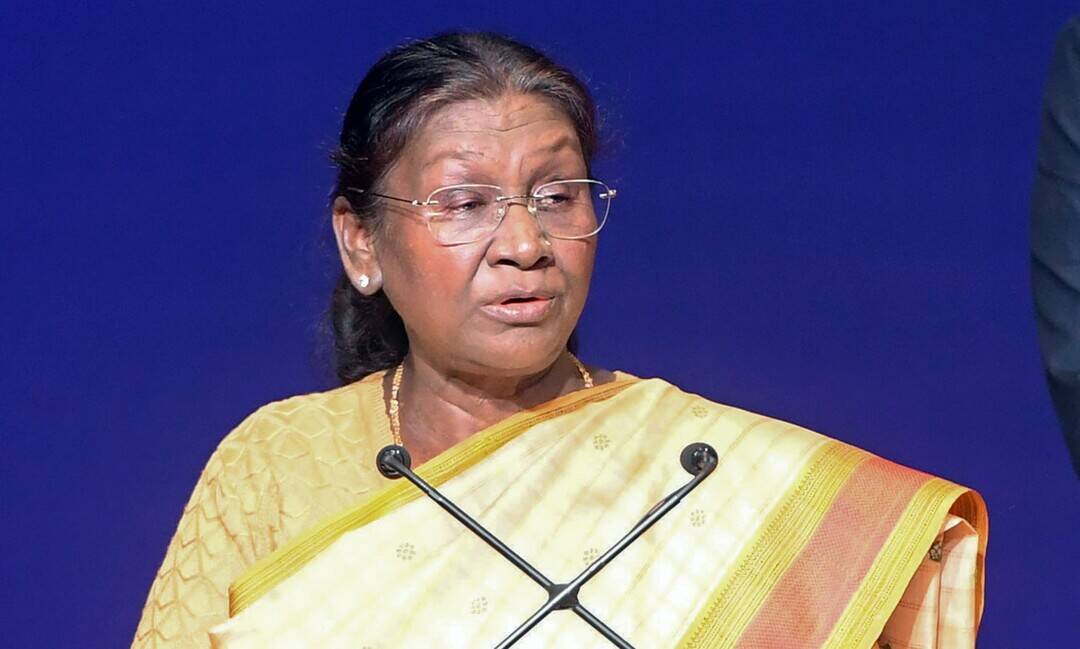
Prez rejects WB govt’s Bill to make CM chancellor of universities
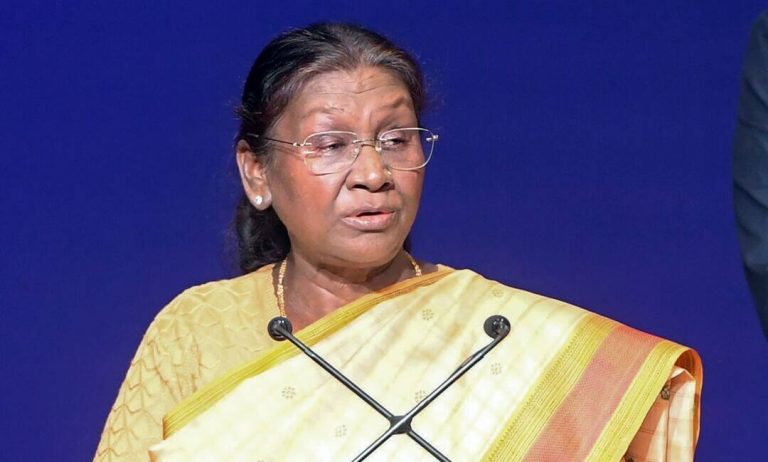
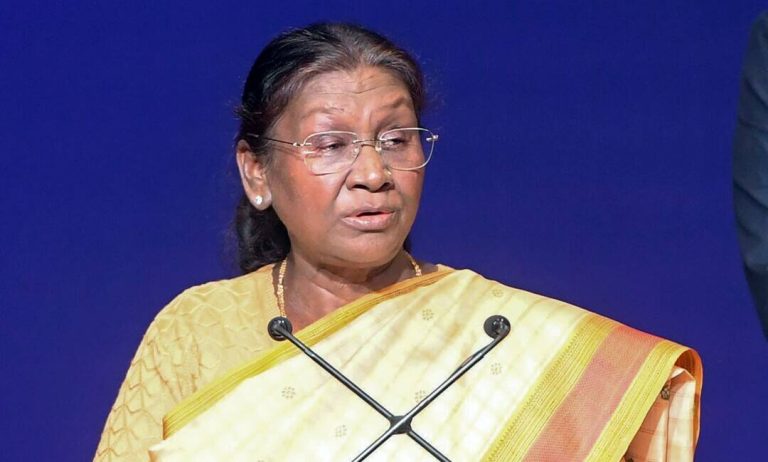
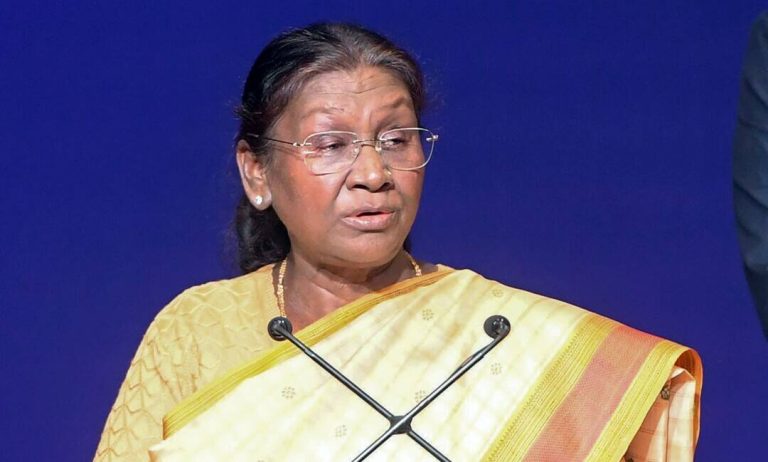
In a significant development, President Droupadi Murmu has rejected the West Bengal University Laws (Amendment) Bill, 2022, which aimed to replace the Governor with the Chief Minister as the Chancellor of all state-run universities. This move has sparked a heated debate about the role of politics in the education system and the potential consequences of such a change. The Bill, which was reserved by Governor Dr CV Ananda Bose for the President’s consideration in April 2024, had been met with criticism from the BJP and other opposition parties, who argued that it would lead to increased political interference in the education system.
The West Bengal University Laws (Amendment) Bill, 2022, was introduced by the West Bengal government with the objective of making the Chief Minister the Chancellor of all state-run universities. The Bill sought to amend the existing laws governing universities in the state, which currently provide for the Governor to serve as the Chancellor. The proposed amendment would have given the Chief Minister significant powers over the state’s education system, including the ability to appoint vice-chancellors and make key decisions about university governance.
However, the Bill was met with strong opposition from the BJP and other critics, who argued that it would lead to increased political interference in the education system. They contended that making the Chief Minister the Chancellor would allow the ruling party to exert undue influence over universities, compromising their autonomy and academic freedom. The opposition parties also expressed concerns that the move would undermine the integrity of the education system and create an environment of favoritism and nepotism.
The BJP, in particular, had been vocal in its criticism of the Bill, with party leaders arguing that it was an attempt by the Trinamool Congress government to consolidate its power and control over the education system. The party had also raised concerns about the potential consequences of such a move, including the erosion of academic standards and the compromised independence of universities.
Governor Dr CV Ananda Bose had reserved the Bill for the President’s consideration in April 2024, citing concerns about the potential impact of the amendment on the education system. The Governor’s decision to reserve the Bill had been seen as a significant setback for the West Bengal government, which had been pushing for the amendment to be passed into law.
The President’s rejection of the Bill is a significant development in this saga, and it is likely to have far-reaching implications for the education system in West Bengal. The move is seen as a major victory for the opposition parties, who had been arguing that the Bill would undermine the autonomy of universities and compromise the integrity of the education system.
The rejection of the Bill is also likely to have significant political implications, particularly in the context of the ongoing debate about the role of politics in education. The issue has sparked a heated debate about the need to insulate the education system from political interference and ensure that universities are able to function independently and autonomously.
In recent years, there have been growing concerns about the increasing politicization of education in India. The issue has been debated extensively, with many arguing that the education system should be insulated from political interference and that universities should be allowed to function independently and autonomously. The rejection of the West Bengal University Laws (Amendment) Bill, 2022, is seen as a significant step in this direction, and it is likely to have far-reaching implications for the education system in India.
In conclusion, the President’s rejection of the West Bengal University Laws (Amendment) Bill, 2022, is a significant development that is likely to have far-reaching implications for the education system in West Bengal and beyond. The move is seen as a major victory for the opposition parties, who had been arguing that the Bill would undermine the autonomy of universities and compromise the integrity of the education system. As the debate about the role of politics in education continues, it is likely that this issue will remain at the forefront of public discourse, with many arguing that the education system should be insulated from political interference and that universities should be allowed to function independently and autonomously.
News Source: https://x.com/airnewsalerts/status/2000530778275618943
About the Author