Prez rejects WB govt’s Bill to make CM chancellor of universities
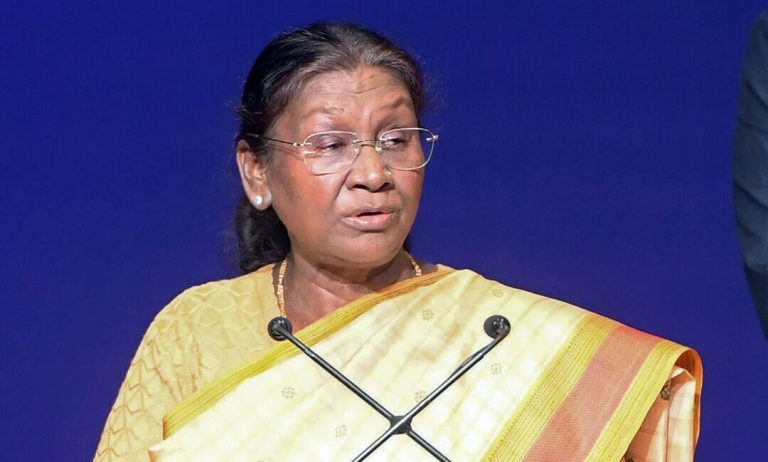
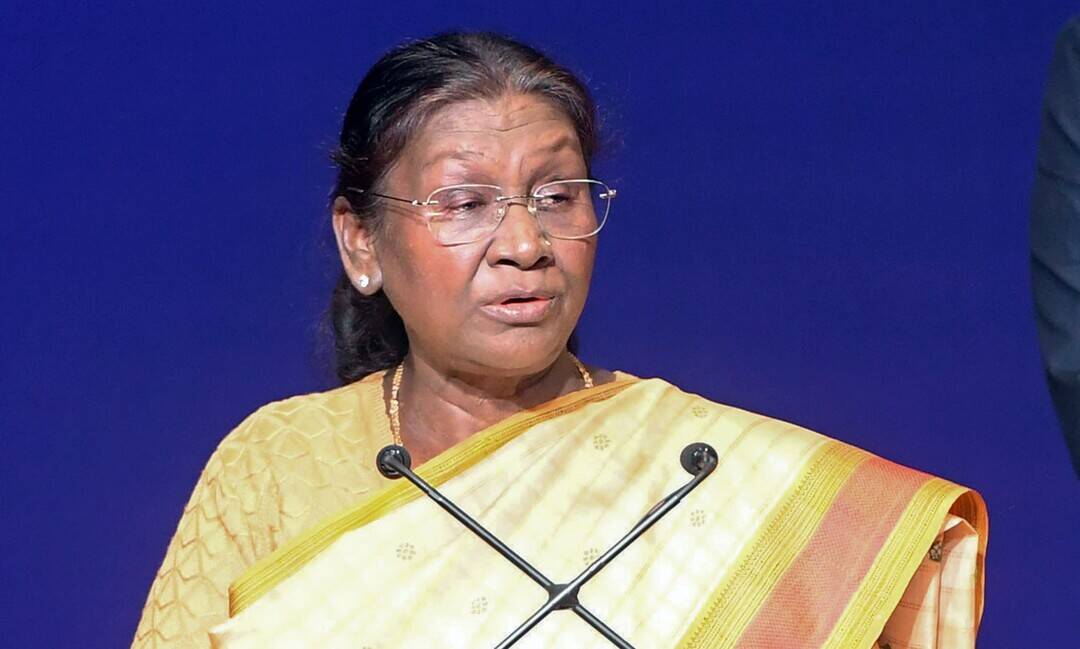
In a significant development, President Droupadi Murmu has rejected the West Bengal University Laws (Amendment) Bill, 2022, which aimed to replace the Governor with the Chief Minister as the Chancellor of all state-run universities. This move has sparked a heated debate, with the Bharatiya Janata Party (BJP) and other critics welcoming the decision, while the West Bengal government is likely to oppose it.
The West Bengal University Laws (Amendment) Bill, 2022, was passed by the West Bengal Legislative Assembly in December 2022, with the objective of making the Chief Minister the Chancellor of all state-run universities. The Bill was then reserved by Governor Dr. CV Ananda Bose for the President’s consideration in April 2024. The Governor’s decision to reserve the Bill for the President’s consideration was seen as a significant move, as it raised concerns about the potential implications of the Bill on the education system in the state.
The BJP and other critics had raised concerns about the Bill, citing the potential for political interference in the education system. They argued that making the Chief Minister the Chancellor of universities would lead to politicization of education, which could have far-reaching consequences for the academic autonomy and independence of universities. The critics also pointed out that the Governor, as the Chancellor, is a neutral figure who can ensure that the universities are run in a fair and impartial manner, without any political bias.
The rejection of the Bill by the President is seen as a significant victory for the BJP and other critics who had opposed the move. The BJP has welcomed the decision, stating that it is a victory for the academic community and the students of West Bengal. The party has also praised the Governor for reserving the Bill for the President’s consideration, saying that it was a brave and timely decision.
On the other hand, the West Bengal government is likely to oppose the President’s decision, citing that it is an attack on the federal structure of the country. The state government has argued that the Bill was passed by the Legislative Assembly, and therefore, it is the state’s prerogative to decide who should be the Chancellor of the universities. The government may also argue that the President’s decision is an overreach of the Centre’s authority, and that it undermines the autonomy of the state.
The debate surrounding the West Bengal University Laws (Amendment) Bill, 2022, raises important questions about the role of the Governor and the Chief Minister in the education system. While the Governor is seen as a neutral figure, the Chief Minister is often perceived as a political leader who may have his or her own agenda. The question is, should the Chief Minister be given the authority to shape the education system in the state, or should it be left to a neutral figure like the Governor?
The answer to this question is not straightforward. On one hand, the Chief Minister is the elected leader of the state, and therefore, has a mandate to shape the education system. On the other hand, the education system is a critical component of the state’s development, and it requires a neutral and impartial approach to ensure that it is run in a fair and efficient manner.
In recent years, there have been several instances of political interference in the education system, which have raised concerns about the autonomy and independence of universities. The appointment of Vice-Chancellors, the selection of faculty members, and the allocation of funds are some of the areas where political interference has been reported. In such a scenario, the role of the Governor as a neutral figure becomes even more important, as it can help to ensure that the universities are run in a fair and impartial manner.
The rejection of the West Bengal University Laws (Amendment) Bill, 2022, by the President is a significant development that has far-reaching implications for the education system in the state. While the BJP and other critics have welcomed the decision, the West Bengal government is likely to oppose it. The debate surrounding the Bill raises important questions about the role of the Governor and the Chief Minister in the education system, and highlights the need for a neutral and impartial approach to ensure that the universities are run in a fair and efficient manner.
In conclusion, the rejection of the West Bengal University Laws (Amendment) Bill, 2022, by the President is a significant development that has sparked a heated debate about the role of the Governor and the Chief Minister in the education system. While the decision is seen as a victory for the BJP and other critics, it is likely to be opposed by the West Bengal government. The debate highlights the need for a neutral and impartial approach to ensure that the universities are run in a fair and efficient manner, and raises important questions about the autonomy and independence of universities.
News Source: https://x.com/airnewsalerts/status/2000530778275618943
About the Author