Paijaan’s jalwa in Pak: BJP on AI video showing Gogoi as Akshaye in ‘Fa9la’ song
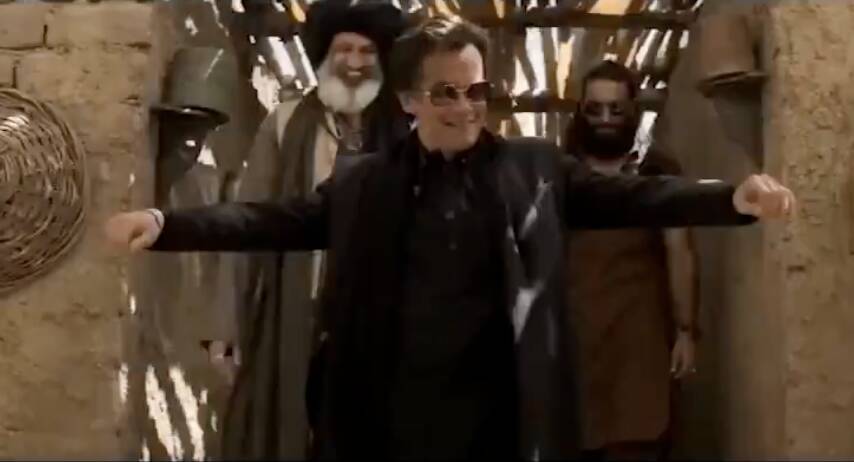
In a bizarre incident, the Bharatiya Janata Party’s (BJP) Assam unit has shared a video on social media platform X, showcasing a doctored clip of Congress leader Gaurav Gogoi dancing to the popular song ‘Fa9la’ in Pakistan. The video, which has sparked a flurry of reactions, features Gogoi’s face superimposed on the character of Rehman Dakait, played by actor Akshaye Khanna in the movie ‘Dhurandhar’. The caption accompanying the video reads, “Jalwa hain Paaijaan ka Pakistan mein,” which roughly translates to “Paijaan’s grandeur in Pakistan.”
The video, which appears to be created using artificial intelligence (AI) technology, has been widely shared on social media, with many users expressing amusement and surprise at the BJP’s creative attempt to target Gogoi. However, the underlying message behind the video is not entirely lost on observers, as the BJP has previously alleged links between Gogoi and Pakistan.
The BJP’s Assam unit has been vocal about its claims of Gogoi’s supposed connections with Pakistan, although these allegations have not been substantiated with concrete evidence. The party has repeatedly accused Gogoi of being soft on Pakistan and having ties with Pakistani nationals, which Gogoi has vehemently denied.
The latest video, which shows Gogoi’s face edited onto Akshaye Khanna’s character in the movie ‘Dhurandhar’, is seen as an attempt by the BJP to further sensationalize its claims against the Congress leader. The song ‘Fa9la’ is a popular Pakistani number, and the video’s setting appears to be a Pakistani city, adding fuel to the BJP’s allegations of Gogoi’s supposed links with the neighboring country.
While the video has been met with a mix of amusement and criticism, it highlights the increasing use of AI technology in Indian politics. The ability to create realistic and convincing videos using AI has opened up new avenues for political parties to create engaging content and target their opponents.
However, the use of AI in politics also raises important questions about the spread of misinformation and the potential for manipulation. As AI technology becomes more sophisticated, it is becoming increasingly difficult to distinguish between real and fake content, which can have serious consequences for democracy and public discourse.
In the context of the BJP’s video showing Gogoi as Akshaye Khanna in ‘Fa9la’, it is essential to separate fact from fiction and not jump to conclusions based on doctored content. While the video may be entertaining and attention-grabbing, it is crucial to verify the authenticity of the claims made by the BJP and not to rely solely on manipulated content.
The incident also highlights the ongoing rivalry between the BJP and the Congress in Assam, with both parties engaged in a bitter battle for political supremacy in the state. The use of social media and AI technology has become a key aspect of this rivalry, with both parties attempting to outdo each other in creating engaging content and targeting their opponents.
In conclusion, the BJP’s video showing Gogoi as Akshaye Khanna in ‘Fa9la’ is a reflection of the increasingly creative and often provocative ways in which political parties are using social media and AI technology to target their opponents. While the video may be amusing and attention-grabbing, it is essential to separate fact from fiction and not to rely solely on manipulated content.
As the political landscape in India continues to evolve, it is likely that we will see more instances of AI-generated content being used to target politicians and shape public opinion. However, it is crucial to approach such content with a critical eye and not to jump to conclusions based on doctored or manipulated information.
Source: https://x.com/BJP4Assam/status/2007750036869005660
About the Author