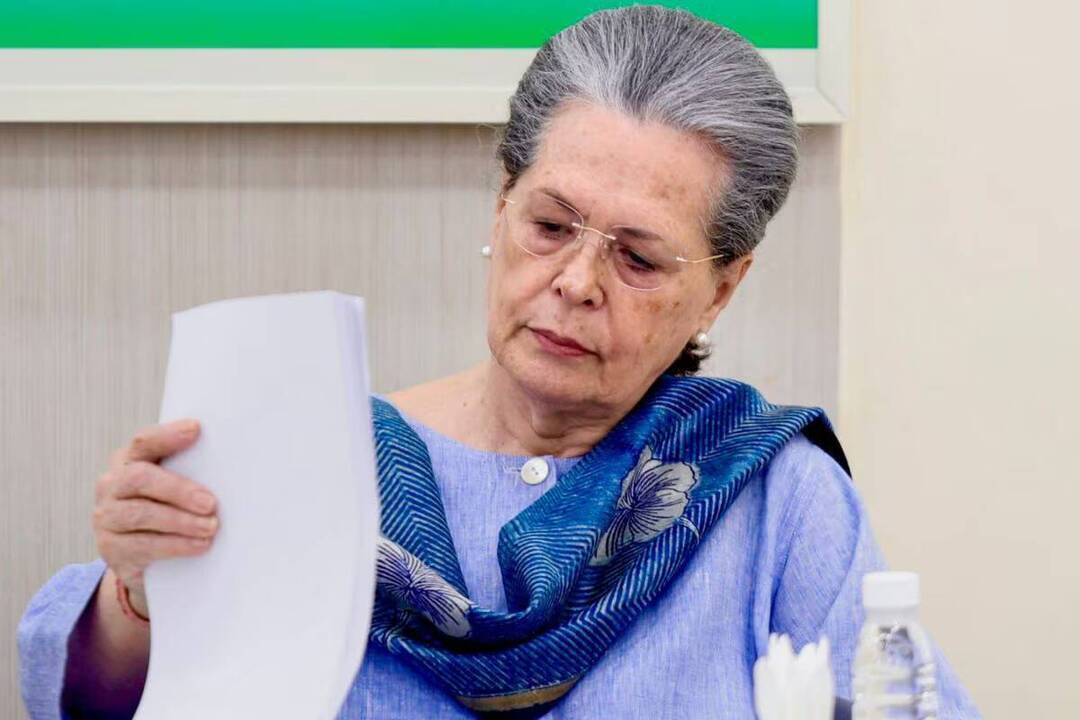
Nehru’s letters not private property, told Sonia Gandhi to return them: Govt
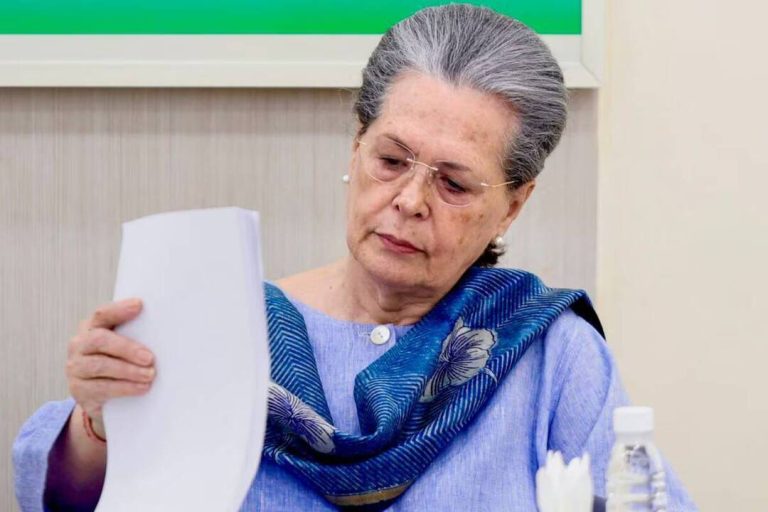
The Ministry of Culture has made a significant statement regarding the letters of former Prime Minister Jawaharlal Nehru, stating that they are not private property and have requested Sonia Gandhi to return them. According to the ministry, these letters are a part of the nation’s documentary heritage and are of great historical significance. The move has sparked a debate about the ownership and preservation of historical documents in India.
The Ministry of Culture stated that they have written two letters to Sonia Gandhi, one in January and another in July 2025, requesting her to return the letters. The ministry’s stance is that the letters are an integral part of India’s history and should be preserved and made accessible to the public. By returning the letters, Sonia Gandhi will be contributing to the preservation of India’s cultural heritage.
The issue of Nehru’s letters has been a topic of discussion for some time now. There were reports that the letters were missing, but the Ministry of Culture has clarified that they are indeed with Sonia Gandhi. The ministry’s statement has put to rest speculations about the whereabouts of the letters.
The Ministry of Culture’s move to request the return of Nehru’s letters is a significant step towards preserving India’s historical documents. The letters are a valuable resource for historians and researchers, providing insights into the country’s past and the thoughts and ideas of one of its most prominent leaders. By making these letters accessible to the public, the government can promote a greater understanding of India’s history and its cultural heritage.
The concept of documentary heritage is an important one, and it refers to the preservation and protection of historical documents and records. These documents can take many forms, including letters, diaries, photographs, and other types of records. They provide a window into the past, allowing us to understand the events, people, and ideas that have shaped our world.
In India, the preservation of documentary heritage is a critical issue. The country has a rich and diverse history, with many significant events and figures that have contributed to its development. However, many of these historical documents are scattered, and some are even lost or destroyed. The government’s move to request the return of Nehru’s letters is an important step towards addressing this issue and promoting the preservation of India’s documentary heritage.
The role of the Ministry of Culture in preserving India’s documentary heritage is a critical one. The ministry is responsible for promoting and preserving the country’s cultural heritage, including its historical documents and records. The ministry works with various institutions and organizations to collect, preserve, and make accessible these documents, ensuring that they are protected for future generations.
In addition to the Ministry of Culture, there are several other institutions and organizations that play a crucial role in preserving India’s documentary heritage. These include the National Archives of India, the Indian National Trust for Art and Cultural Heritage (INTACH), and the Indian Council of Historical Research (ICHR). These organizations work together to promote the preservation and protection of historical documents and records, ensuring that they are accessible to the public and protected for future generations.
The issue of ownership and preservation of historical documents is a complex one. While some argue that these documents are private property and should be owned by individuals or families, others believe that they are a part of the nation’s cultural heritage and should be preserved and made accessible to the public. The Ministry of Culture’s stance on Nehru’s letters is clear: these documents are not private property, but rather a part of the nation’s documentary heritage.
In conclusion, the Ministry of Culture’s request to Sonia Gandhi to return Nehru’s letters is a significant step towards preserving India’s documentary heritage. The letters are a valuable resource for historians and researchers, providing insights into the country’s past and the thoughts and ideas of one of its most prominent leaders. By making these letters accessible to the public, the government can promote a greater understanding of India’s history and its cultural heritage. The issue of ownership and preservation of historical documents is a complex one, but the Ministry of Culture’s stance is clear: these documents are a part of the nation’s cultural heritage and should be preserved and made accessible to the public.
About the Author