Nehru’s letters not private property, told Sonia Gandhi to return them: Govt
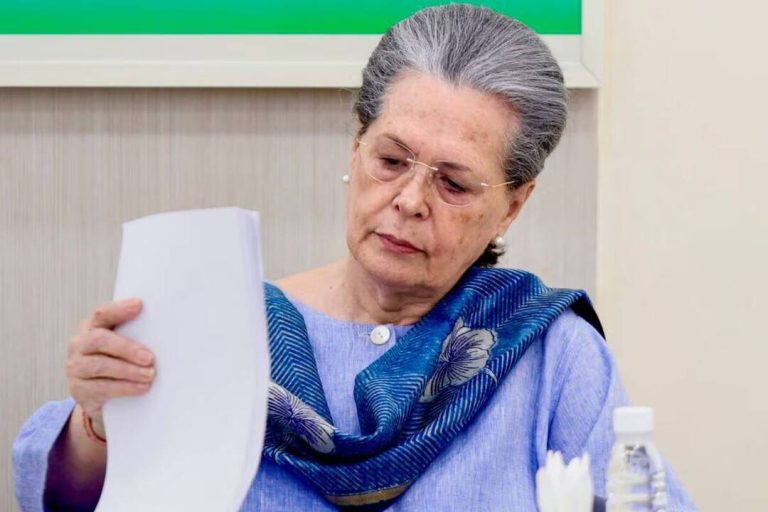
The Ministry of Culture has sparked a significant debate by stating that the letters of former Prime Minister Jawaharlal Nehru are not private property and should be returned to the government. According to the ministry, these letters are a vital part of the nation’s documentary heritage and are of immense historical significance. In a recent development, the ministry has revealed that they have written to Sonia Gandhi, requesting her to return the letters that are currently in her possession.
The Ministry of Culture stated that they have written two letters to Sonia Gandhi in January and July 2025, requesting her to return the letters. The ministry’s move is aimed at preserving the country’s rich historical legacy and making these valuable documents accessible to the public. The letters, which are a part of India’s freedom struggle and post-independence era, are considered a national treasure and are essential for understanding the country’s history.
The government’s clarification comes after rumors surfaced that the letters were missing. However, the Ministry of Culture has now confirmed that the letters are not missing but are with Sonia Gandhi. The ministry has made it clear that the letters are not private property and should be returned to the government so that they can be preserved and made available to the public.
The move has sparked a debate about the ownership and preservation of historical documents. While some argue that the letters are a personal property of the Nehru family, others believe that they are a national treasure and should be preserved by the government. The Ministry of Culture’s stance is clear: the letters are a part of the nation’s documentary heritage and should be returned to the government.
The significance of Nehru’s letters cannot be overstated. As the first Prime Minister of India, Jawaharlal Nehru played a crucial role in shaping the country’s history. His letters, which span several decades, provide a unique insight into the country’s freedom struggle and post-independence era. The letters are a valuable resource for historians, researchers, and scholars, and their preservation is essential for understanding India’s history.
The government’s move to seek the return of Nehru’s letters is a step in the right direction. By preserving these historical documents, the government can ensure that they are protected for future generations. The letters can be digitized and made available online, allowing people from all over the world to access them. This will not only promote historical research but also provide a unique opportunity for people to learn about India’s rich history.
The Ministry of Culture’s effort to preserve Nehru’s letters is part of a larger initiative to protect the country’s cultural heritage. The ministry has been working tirelessly to preserve historical documents, monuments, and artifacts, and their move to seek the return of Nehru’s letters is a testament to their commitment to preserving the country’s rich cultural legacy.
In conclusion, the Ministry of Culture’s statement that Nehru’s letters are not private property and should be returned to the government is a significant development. The letters are a vital part of the nation’s documentary heritage, and their preservation is essential for understanding India’s history. The government’s move to seek the return of the letters is a step in the right direction, and it is hoped that Sonia Gandhi will respond positively to the ministry’s request. By preserving these historical documents, the government can ensure that they are protected for future generations, and their significance can be appreciated by people all over the world.
The controversy surrounding Nehru’s letters highlights the importance of preserving historical documents. It is essential that the government and other stakeholders work together to protect the country’s cultural heritage. The preservation of historical documents is not only essential for understanding the country’s history but also for promoting historical research and education.
As the debate surrounding Nehru’s letters continues, it is essential to remember that these historical documents are a national treasure. They provide a unique insight into the country’s history and are essential for understanding the country’s freedom struggle and post-independence era. The government’s move to seek the return of the letters is a step in the right direction, and it is hoped that the letters will be preserved and made available to the public soon.
In the end, the preservation of Nehru’s letters is not just about protecting historical documents; it is about preserving the country’s cultural heritage. The letters are a vital part of the nation’s documentary heritage, and their preservation is essential for understanding India’s history. The government’s effort to preserve these historical documents is a testament to their commitment to protecting the country’s rich cultural legacy, and it is hoped that their efforts will be successful.
About the Author