Nehru’s letters not private property, told Sonia Gandhi to return them: Govt
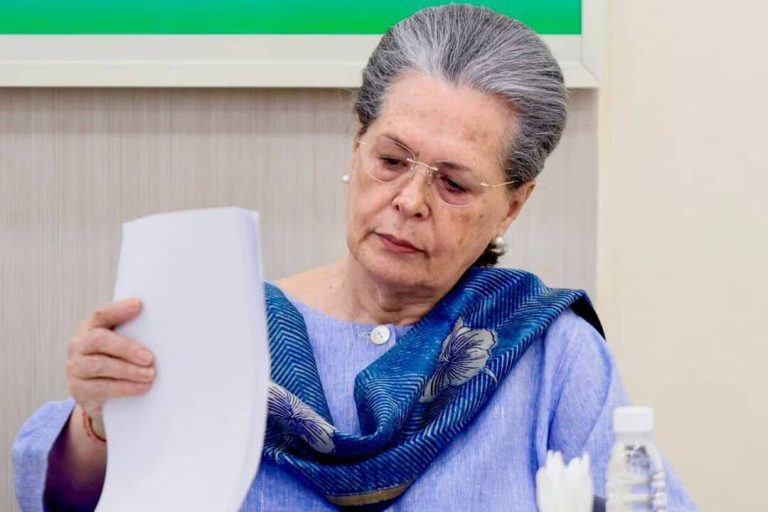
The Ministry of Culture has sparked a significant debate by stating that the letters of former Prime Minister Jawaharlal Nehru are not private property and should be returned to the government. This move has raised questions about the ownership and preservation of historical documents, particularly those of national significance. According to the ministry, they have written to Sonia Gandhi, the widow of Rajiv Gandhi and a member of the Nehru-Gandhi family, requesting that she return the letters, which are considered a part of the nation’s documentary heritage.
The Ministry of Culture has clarified that the letters are not missing, but are currently in the possession of Sonia Gandhi. The ministry has written two letters to her, one in January and another in July 2025, requesting that she return the letters to the government. This move is seen as an effort to preserve and protect the historical documents for the benefit of the nation.
The letters in question are a part of the vast collection of documents and correspondence of Jawaharlal Nehru, who was not only the first Prime Minister of India but also a key figure in the country’s struggle for independence. Nehru’s writings and correspondence provide valuable insights into the history of India’s freedom movement and the early years of the country’s independence. As such, they are considered an important part of the nation’s documentary heritage and should be preserved and protected for future generations.
The Ministry of Culture’s move to request the return of Nehru’s letters is seen as a step in the right direction. The government has a responsibility to preserve and protect the nation’s cultural and historical heritage, and this includes documents and artifacts of national significance. By requesting the return of Nehru’s letters, the ministry is ensuring that these important documents are preserved and made available for research and study.
The issue of ownership of historical documents is a complex one. While the Nehru-Gandhi family may have a personal connection to the letters, they are ultimately a part of the nation’s history and should be preserved and protected as such. The government has a responsibility to ensure that these documents are preserved and made available for the benefit of the nation, rather than being kept as private property.
The Ministry of Culture’s move has also raised questions about the preservation and protection of other historical documents and artifacts. There are likely many other documents and artifacts of national significance that are currently in private hands, and the government should take steps to ensure that these are preserved and protected. This could include working with private collectors and families to ensure that these documents and artifacts are properly preserved and made available for research and study.
In conclusion, the Ministry of Culture’s decision to request the return of Nehru’s letters is a step in the right direction. The letters are an important part of the nation’s documentary heritage and should be preserved and protected for the benefit of the nation. The government has a responsibility to ensure that these documents are preserved and made available for research and study, and the Ministry of Culture’s move is a positive step towards achieving this goal.
The issue of ownership of historical documents is a complex one, and the government should work to ensure that these documents are preserved and protected for the benefit of the nation. This could include working with private collectors and families to ensure that these documents and artifacts are properly preserved and made available for research and study. Ultimately, the preservation and protection of the nation’s cultural and historical heritage is a responsibility that should be taken seriously, and the Ministry of Culture’s move is a positive step towards achieving this goal.
As the nation continues to grow and develop, it is essential that we preserve and protect our cultural and historical heritage. This includes documents and artifacts of national significance, such as Nehru’s letters. By working together to preserve and protect these documents, we can ensure that they are available for future generations to study and learn from.
In the end, the Ministry of Culture’s decision to request the return of Nehru’s letters is a reminder of the importance of preserving and protecting our cultural and historical heritage. The government has a responsibility to ensure that these documents are preserved and made available for the benefit of the nation, and the Ministry of Culture’s move is a positive step towards achieving this goal.
About the Author