Nehru’s letters not private property, told Sonia Gandhi to return them: Govt
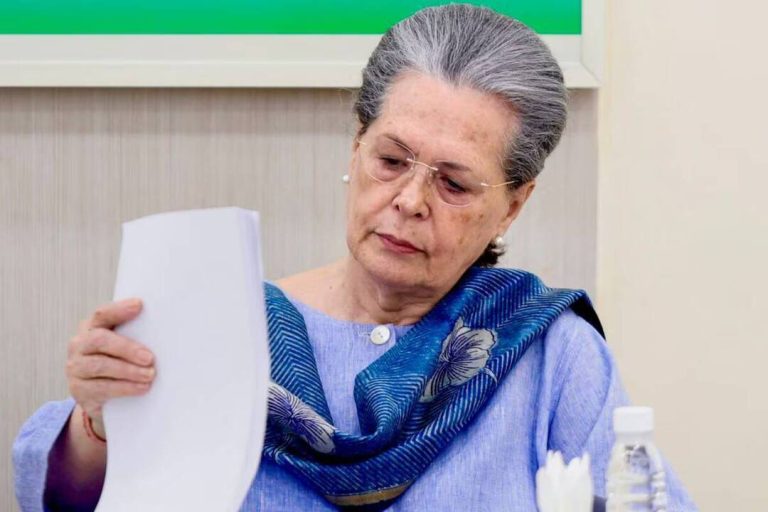
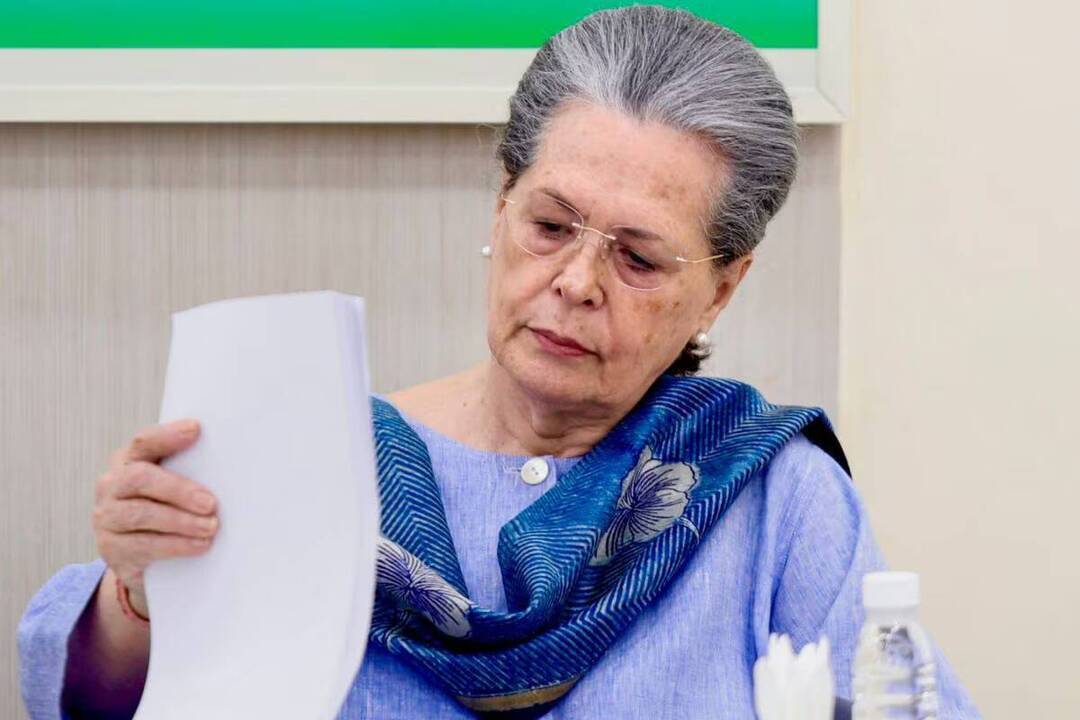
The Ministry of Culture has sparked a significant debate by stating that the letters of former Prime Minister Jawaharlal Nehru are not private property. In a recent announcement, the ministry revealed that they have requested Sonia Gandhi, the widow of Rajiv Gandhi and a member of the Nehru-Gandhi family, to return the letters in her possession. This move has raised questions about the ownership and preservation of historical documents, particularly those belonging to prominent figures in Indian history.
According to the Ministry of Culture, the letters written by Jawaharlal Nehru are an integral part of the nation’s documentary heritage. As such, they should be preserved and made accessible to the public, rather than being treated as private property. The ministry has written two letters to Sonia Gandhi, one in January and another in July 2025, requesting that she return the letters to the government. This move is seen as an effort to ensure that these historical documents are protected and preserved for future generations.
The issue of Nehru’s letters has been a topic of discussion for some time, with many wondering about their whereabouts and who has possession of them. The Ministry of Culture has now clarified that the letters are not missing, but are instead in the possession of Sonia Gandhi. The government’s request for their return has sparked a debate about the ownership of historical documents and the role of the government in preserving them.
The Nehru-Gandhi family has been at the center of Indian politics for decades, with many of its members playing important roles in shaping the country’s history. Jawaharlal Nehru, in particular, was a key figure in India’s struggle for independence and served as the country’s first Prime Minister. His letters and writings provide valuable insights into the country’s history and are an important part of its cultural heritage.
The Ministry of Culture’s request for the return of Nehru’s letters is not just about preserving historical documents, but also about ensuring that they are accessible to the public. By making these documents available, the government can promote a better understanding of the country’s history and its cultural heritage. This, in turn, can help to foster a sense of national pride and identity.
In recent years, there has been a growing awareness of the importance of preserving historical documents and cultural artifacts. The government has launched several initiatives aimed at promoting the preservation and conservation of these items, including the establishment of museums and archives. The request for the return of Nehru’s letters is part of this broader effort to preserve and promote India’s cultural heritage.
The response to the Ministry of Culture’s request has been mixed, with some welcoming the move as a step towards preserving India’s cultural heritage. Others have raised questions about the government’s role in preserving historical documents and the ownership of these items. The debate highlights the complex issues surrounding the preservation of historical documents and the role of the government in promoting cultural heritage.
In conclusion, the Ministry of Culture’s request for the return of Nehru’s letters has sparked an important debate about the preservation of historical documents and the role of the government in promoting cultural heritage. The government’s efforts to preserve and make these documents accessible to the public are a step in the right direction, and it is hoped that Sonia Gandhi will respond positively to the request. By working together, we can ensure that India’s rich cultural heritage is preserved for future generations.
The issue of Nehru’s letters is not just about preserving historical documents, but also about promoting a sense of national pride and identity. By making these documents available, we can gain a better understanding of our history and the people who shaped it. As we move forward, it is essential that we prioritize the preservation of our cultural heritage and work towards making it accessible to all.
The Ministry of Culture’s request for the return of Nehru’s letters is a reminder of the importance of preserving our cultural heritage. It is a call to action, urging us to work together to protect and promote our rich cultural legacy. As we look to the future, it is essential that we prioritize the preservation of our cultural heritage, including historical documents like Nehru’s letters.
For more information, visit: https://www.aninews.in/news/national/general-news/centre-clarifies-nehrus-papers-not-missing-but-with-sonia-gandhi-seeks-return20251217172145/
About the Author