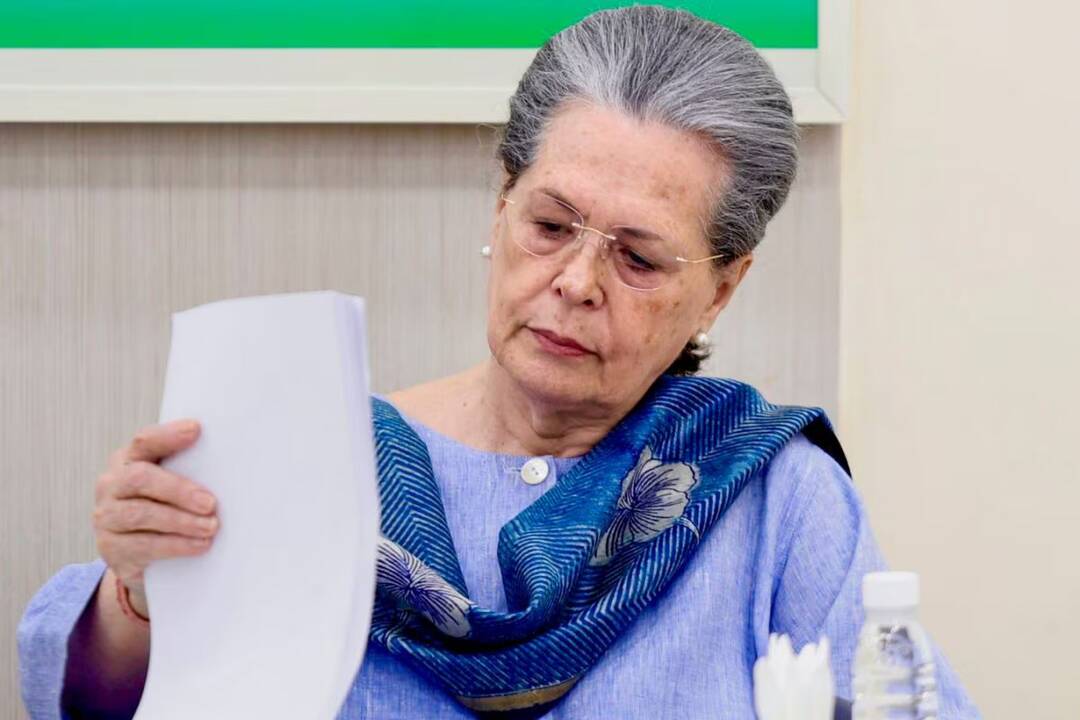
Nehru’s letters not private property, told Sonia Gandhi to return them: Govt
The Ministry of Culture has sparked a significant debate by stating that the letters of former Prime Minister Jawaharlal Nehru are not private property and therefore, should be returned to the government. The ministry has written to Sonia Gandhi, the widow of former Prime Minister Rajiv Gandhi, requesting that she returns the letters that are currently in her possession. This development has raised important questions about the ownership and preservation of historical documents, particularly those related to the country’s founding fathers.
According to the Ministry of Culture, the letters written by Jawaharlal Nehru are an integral part of the nation’s documentary heritage and should be preserved and protected for future generations. The ministry has argued that these letters are not private property and therefore, do not belong to any individual or family. Instead, they are a part of the country’s historical record and should be treated as such.
The ministry has revealed that they have written two letters to Sonia Gandhi, one in January 2025 and another in July 2025, requesting that she returns the letters. The letters are said to contain significant historical information and insights into the life and times of Jawaharlal Nehru, and the ministry believes that they should be preserved and made available to the public.
The issue of ownership and preservation of historical documents is a complex one, and the government’s request to Sonia Gandhi has sparked a lively debate. While some have argued that the letters are indeed private property and should be treated as such, others have supported the government’s position, arguing that they are an important part of the country’s historical heritage and should be preserved and protected.
The Ministry of Culture has emphasized that their request to Sonia Gandhi is not an attempt to encroach on her private property, but rather an effort to ensure that the nation’s documentary heritage is preserved and protected. The ministry has pointed out that the letters are of significant historical value and should be treated as a national treasure.
The government’s request to Sonia Gandhi has also raised questions about the role of the state in preserving and protecting historical documents. While some have argued that the state should play a more active role in preserving and protecting historical documents, others have argued that this could lead to censorship and the suppression of historical information.
The issue of preservation and protection of historical documents is not a new one, and it has been debated by historians and scholars for many years. However, the government’s request to Sonia Gandhi has brought the issue to the forefront, highlighting the importance of preserving and protecting the nation’s documentary heritage.
In recent years, there have been several instances of historical documents being lost or destroyed, either intentionally or unintentionally. This has raised concerns about the preservation and protection of historical documents, and the need for a more systematic approach to preserving and protecting the nation’s documentary heritage.
The Ministry of Culture has emphasized that they are committed to preserving and protecting the nation’s documentary heritage, and that they will take all necessary steps to ensure that historical documents are preserved and made available to the public. The ministry has also pointed out that they have a responsibility to ensure that historical documents are preserved and protected for future generations.
In conclusion, the government’s request to Sonia Gandhi to return the letters of Jawaharlal Nehru has sparked a significant debate about the ownership and preservation of historical documents. While the issue is complex, it is clear that the government is committed to preserving and protecting the nation’s documentary heritage. The Ministry of Culture has emphasized that the letters are not private property, but rather an integral part of the nation’s historical record, and should be treated as such.
As the debate continues, it is clear that the preservation and protection of historical documents is an important issue that requires careful consideration. The government’s request to Sonia Gandhi has highlighted the need for a more systematic approach to preserving and protecting historical documents, and the importance of ensuring that the nation’s documentary heritage is preserved and made available to the public.
About the Author