Nehru’s letters not private property, told Sonia Gandhi to return them: Govt
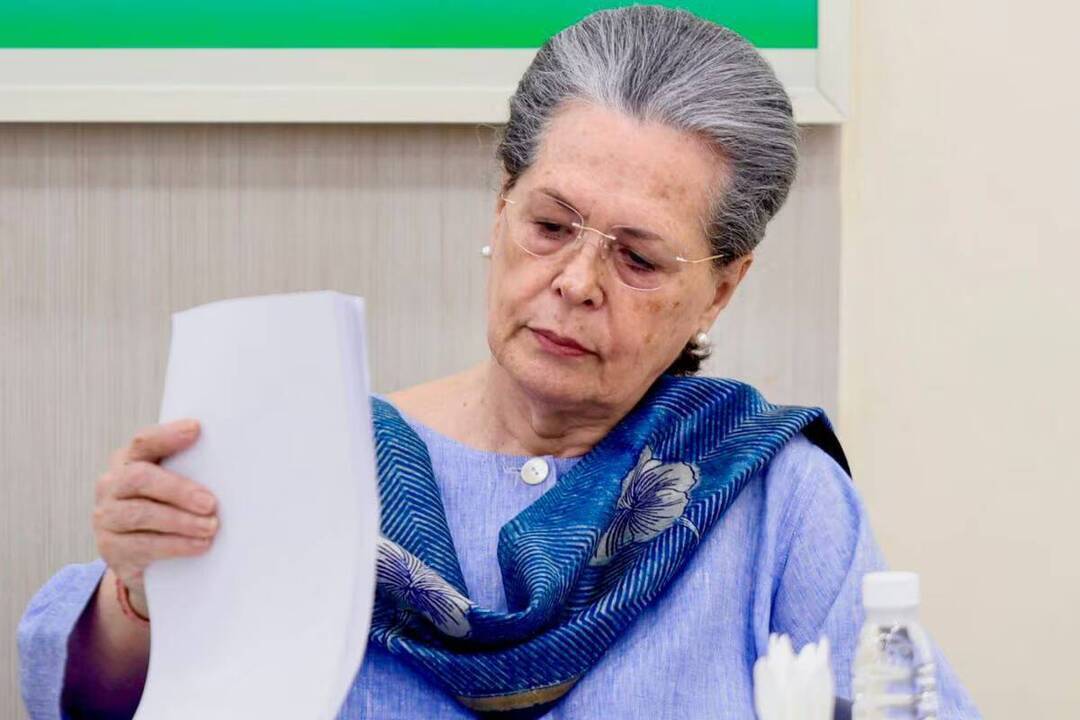
The Ministry of Culture has sparked a significant debate by stating that the letters of former Prime Minister Jawaharlal Nehru are not private property and should be returned to the government. According to the ministry, these letters are a part of the nation’s documentary heritage and should be preserved and protected for future generations. In a recent development, the ministry has revealed that they have written to Sonia Gandhi, requesting her to return the letters in her possession.
The Ministry of Culture has clarified that the letters of Jawaharlal Nehru are an integral part of India’s history and cultural heritage. As such, they should not be treated as private property, but rather as a national treasure that belongs to the people of India. The ministry has stated that they have written two letters to Sonia Gandhi, one in January 2025 and another in July 2025, requesting her to return the letters.
The issue of Nehru’s letters has been a topic of discussion for quite some time now. There have been reports that a significant number of Nehru’s letters are missing, and some have even alleged that they have been intentionally destroyed or hidden. However, the Ministry of Culture has clarified that the letters are not missing, but are instead in the possession of Sonia Gandhi.
The ministry’s request to Sonia Gandhi to return the letters is a significant development in this matter. It is unclear at this point how Sonia Gandhi will respond to the ministry’s request, but it is likely that she will face significant pressure to return the letters. The letters are not only a part of India’s history, but they also provide valuable insights into the life and times of Jawaharlal Nehru, one of India’s most iconic leaders.
The Ministry of Culture’s decision to seek the return of Nehru’s letters is a welcome move. It is essential that India’s cultural and historical heritage is protected and preserved for future generations. The letters of Jawaharlal Nehru are a significant part of this heritage, and it is only fitting that they are returned to the government, where they can be properly preserved and protected.
The issue of Nehru’s letters also raises questions about the ownership and preservation of historical documents. In India, there is a lack of clear laws and regulations regarding the ownership and preservation of historical documents. This has led to a situation where many historical documents are in the possession of private individuals, who may not have the resources or expertise to properly preserve and protect them.
The Ministry of Culture’s decision to seek the return of Nehru’s letters highlights the need for clear laws and regulations regarding the ownership and preservation of historical documents. It is essential that the government takes steps to protect and preserve India’s cultural and historical heritage, and this includes ensuring that historical documents are properly preserved and protected.
In conclusion, the Ministry of Culture’s decision to seek the return of Nehru’s letters is a significant development in the preservation of India’s cultural and historical heritage. The letters are not private property, but rather a part of the nation’s documentary heritage, and they should be returned to the government, where they can be properly preserved and protected. It is essential that the government takes steps to protect and preserve India’s cultural and historical heritage, and this includes ensuring that historical documents are properly preserved and protected.
The Ministry of Culture’s request to Sonia Gandhi to return the letters is a welcome move, and it is likely that it will spark a significant debate about the ownership and preservation of historical documents in India. As the nation moves forward, it is essential that we prioritize the preservation and protection of our cultural and historical heritage, and this includes ensuring that historical documents are properly preserved and protected.
The issue of Nehru’s letters is not just about the preservation of historical documents, but it is also about the protection of India’s cultural and historical heritage. The letters provide valuable insights into the life and times of Jawaharlal Nehru, and they are an essential part of India’s history. It is only fitting that they are returned to the government, where they can be properly preserved and protected for future generations.
As the debate about the ownership and preservation of historical documents continues, it is essential that we prioritize the preservation and protection of India’s cultural and historical heritage. This includes ensuring that historical documents are properly preserved and protected, and that they are accessible to the public. The Ministry of Culture’s decision to seek the return of Nehru’s letters is a significant step in this direction, and it is likely that it will have a significant impact on the preservation and protection of India’s cultural and historical heritage.
In the end, the return of Nehru’s letters to the government is not just about the preservation of historical documents, but it is also about the protection of India’s cultural and historical heritage. It is essential that we prioritize the preservation and protection of our cultural and historical heritage, and this includes ensuring that historical documents are properly preserved and protected. The Ministry of Culture’s decision to seek the return of Nehru’s letters is a welcome move, and it is likely that it will have a significant impact on the preservation and protection of India’s cultural and historical heritage.
About the Author